Compare Mark of the Ninja: Remastered prices across trusted key stores and find the best deal. Developed by Klei Entertainment. Published by Klei Entertainment. Released on 10/9/2018. Available on PC, Xbox. Genres: Action, Indie.

A stealth game that turns every room into a logic puzzle with patrol routes, then quietly dares you to clear it without killing anyone. Ten hours, almost no filler.

The first time I hauled a guard's body up to a ceiling light and left it hanging there, I waited to see what his partner would do. He walked in, saw the shape swinging above him, panicked, and emptied his pistol into the next man through the door. I never touched either of them. That is the loop Klei built here, and it explains the whole design: you are not a fighter in this world, you are a rumor that spreads through a building. Every room is a small logic puzzle with legs, and the best solution is usually quieter and meaner than the one you reach for first. What makes it work is legibility. Sound is drawn on screen as expanding rings, so a sprint across tile or a shattered window has a visible radius you can read at a glance. Vision cones are exact rather than suggestive. Darkness is mapped, real space, and everything outside your line of sight drains to grey outlines so you always know exactly what you know and what you are guessing at. Your kit stays deliberately small: a grappling hook for ceilings and beams, noisemakers and darts for pulling patrols off their routes, smoke bombs for the moment it all goes wrong, and terror tools that turn one guard into a weapon aimed at his own squad. Because the rules never lie to you, a failed room lands as your mistake instead of the engine's. I restarted checkpoints voluntarily here, out of pride, not frustration. That is rare. The scoring system is the second engine and the reason this holds up years after release. Each level tallies points for clean takedowns, unseen traversal, and optional objectives, and it hides seals: single-screen challenge rooms that ask you to demonstrate one technique perfectly, with no room to improvise. Score unlocks costumes that meaningfully rewrite a run, pushing you toward pure no-kill ghosting or leaning hard into psychological warfare, and New Game Plus strips away the training wheels so mastery has somewhere to go. The craft carries it. Klei's hand-drawn animation gives the ninja real weight in his silhouette, the way he folds into a vent or catches a beam mid-swing, and the soundscape works in low percussive pulses that go still the second you are truly hidden. The 2018 remaster sharpens the art and lighting, folds in the Special Edition side chapter following Dosan, and adds a developer commentary track that is genuinely worth a second run if you care how stealth systems get tuned. It is not flawless, and pretending otherwise would waste your time. The story is the thin part: an ink tattoo grants power while eating the wearer's sanity, and the game builds toward a final choice that wants to feel heavy but has not laid enough groundwork to earn it. The characters exist to move you between levels. A few late scripted sequences swap the open sandbox for a narrower corridor of correct answers, which stings after hours of being trusted to improvise. And once you have internalized the grapple plus a distraction tool, the difficulty curve flattens hard in the back half. Some rooms simply fold. If you played the 2012 original recently, the remaster's delta is real but modest, mostly resolution, lighting, and the bundled extra content rather than new levels. Still, this is a game that knows its own length. Somewhere around eight to ten hours it says what it came to say and stops, and I will always defend that over a stealth sandbox padded to thirty. It is for anyone who liked the tension of hiding in older stealth games but hated guessing whether an AI could actually see them. It is for players who read a room before entering it. It is not for people who want narrative weight or combat, because the sword is a punishment for bad planning rather than a tool. Go in wanting to be invisible, chase the seals, and let the score screen embarrass you into one more attempt. The building will still be standing when you leave. Nobody will be sure you were ever in it. Kai, Scout Team

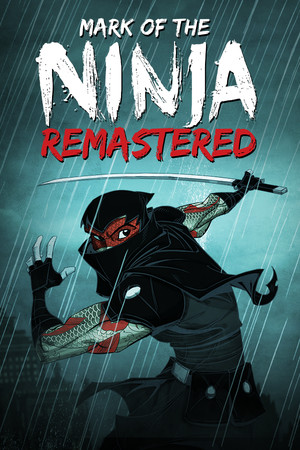
Mark of the Ninja: Remastered

Mark of the Ninja: Remastered

Oct 9, 2018Klei Entertainment
GamerScout Says

A stealth game that turns every room into a logic puzzle with patrol routes, then quietly dares you to clear it without killing anyone. Ten hours, almost no filler.

PCXbox
Best Price Available
€7.77
at Kinguin
Lowest tracked: €7.77
Track this price

GamerScout Verdict

Best for stealth players who want honest rules, visible sound, and levels worth replaying for score rather than story.

Compare Prices(4 stores)

KinguinBest price
StandardGlobalSteam KeyKey
€7.77
Priced in EUR by the store
Buy
StandardGlobalGOG KeyKey
€7.89
Priced in EUR by the store
Buy
StandardEurope (EU)Steam KeyKey
€16.79
Priced in EUR by the store
Buy

Every store in this table quotes us in euros, so the EUR figure is the price the seller actually set, not our arithmetic — which is why EUR is also the currency we rank in. We only list an offer here when the store gives us its price in euros, so nothing in this table is a number we invented.

Pick USD, PLN, GBP, CAD or AUD in the header and we convert from EUR at the European Central Bank reference rate — converted amounts are prefixed with ~. Your bank or the store may apply a different rate at checkout. We never hide offers based on where you are: everyone sees this whole table.

We may earn a commission when you buy games through links on this page — at no extra cost to you. It never affects our rankings or verdicts.

Price History

Lowest tracked
€7.7731 Aug 2026
Current best
€7.77
Lowest since we started tracking
Keyshops
€7.20€7.62€8.04€8.4625 Aug27 Aug28 Aug30 Aug31 Aug
Tracking prices since 25 Aug 2026
Create alert

Screenshots & Media

About Mark of the Ninja: Remastered

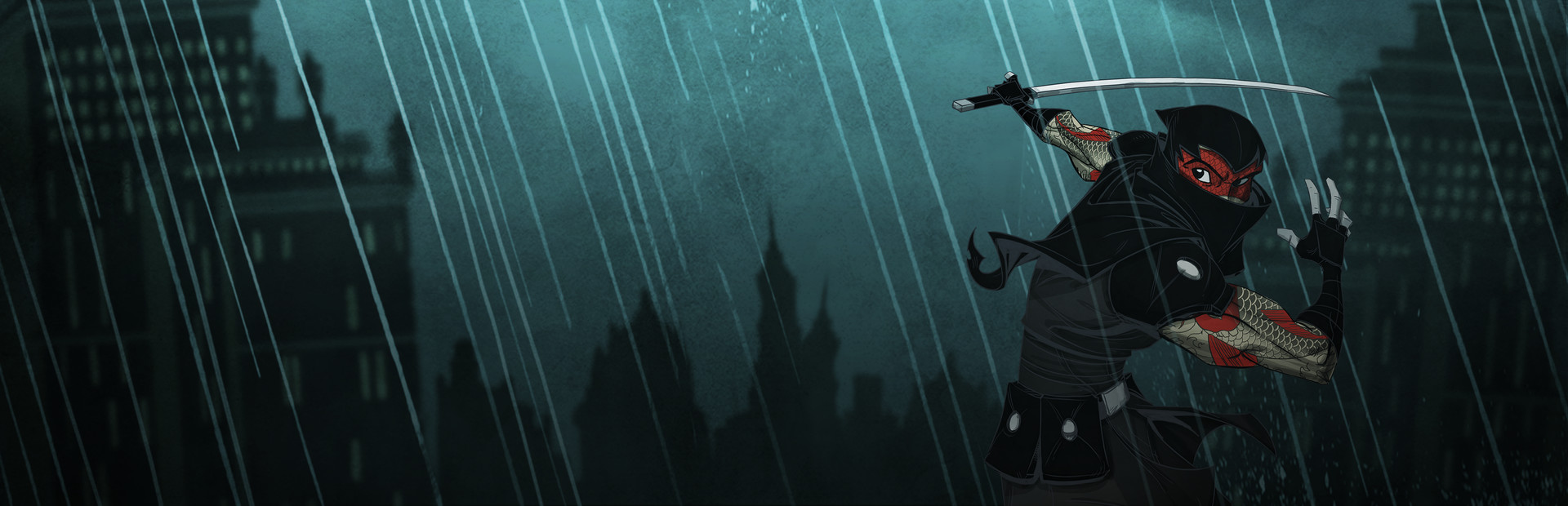
The first time I hauled a guard's body up to a ceiling light and left it hanging there, I waited to see what his partner would do. He walked in, saw the shape swinging above him, panicked, and emptied his pistol into the next man through the door. I never touched either of them. That is the loop Klei built here, and it explains the whole design: you are not a fighter in this world, you are a rumor that spreads through a building. Every room is a small logic puzzle with legs, and the best solution is usually quieter and meaner than the one you reach for first. What makes it work is legibility. Sound is drawn on screen as expanding rings, so a sprint across tile or a shattered window has a visible radius you can read at a glance. Vision cones are exact rather than suggestive. Darkness is mapped, real space, and everything outside your line of sight drains to grey outlines so you always know exactly what you know and what you are guessing at. Your kit stays deliberately small: a grappling hook for ceilings and beams, noisemakers and darts for pulling patrols off their routes, smoke bombs for the moment it all goes wrong, and terror tools that turn one guard into a weapon aimed at his own squad. Because the rules never lie to you, a failed room lands as your mistake instead of the engine's. I restarted checkpoints voluntarily here, out of pride, not frustration. That is rare. The scoring system is the second engine and the reason this holds up years after release. Each level tallies points for clean takedowns, unseen traversal, and optional objectives, and it hides seals: single-screen challenge rooms that ask you to demonstrate one technique perfectly, with no room to improvise. Score unlocks costumes that meaningfully rewrite a run, pushing you toward pure no-kill ghosting or leaning hard into psychological warfare, and New Game Plus strips away the training wheels so mastery has somewhere to go. The craft carries it. Klei's hand-drawn animation gives the ninja real weight in his silhouette, the way he folds into a vent or catches a beam mid-swing, and the soundscape works in low percussive pulses that go still the second you are truly hidden. The 2018 remaster sharpens the art and lighting, folds in the Special Edition side chapter following Dosan, and adds a developer commentary track that is genuinely worth a second run if you care how stealth systems get tuned. It is not flawless, and pretending otherwise would waste your time. The story is the thin part: an ink tattoo grants power while eating the wearer's sanity, and the game builds toward a final choice that wants to feel heavy but has not laid enough groundwork to earn it. The characters exist to move you between levels. A few late scripted sequences swap the open sandbox for a narrower corridor of correct answers, which stings after hours of being trusted to improvise. And once you have internalized the grapple plus a distraction tool, the difficulty curve flattens hard in the back half. Some rooms simply fold. If you played the 2012 original recently, the remaster's delta is real but modest, mostly resolution, lighting, and the bundled extra content rather than new levels. Still, this is a game that knows its own length. Somewhere around eight to ten hours it says what it came to say and stops, and I will always defend that over a stealth sandbox padded to thirty. It is for anyone who liked the tension of hiding in older stealth games but hated guessing whether an AI could actually see them. It is for players who read a room before entering it. It is not for people who want narrative weight or combat, because the sword is a punishment for bad planning rather than a tool. Go in wanting to be invisible, chase the seals, and let the score screen embarrass you into one more attempt. The building will still be standing when you leave. Nobody will be sure you were ever in it.

Kai
Kai · Scout Team

Indie & narrative

Tags

auto-admitted2D StealthSide-Scrolling StealthVision ConesNon-Lethal PlaystylesScore AttackHand-Drawn AnimationNew Game PlusLevel MasteryDeveloper Commentary

System Requirements

Minimum

Processor
Intel Core 2 Duo 2.4GHz processor (E6600)
Memory
4 GB RAM
Graphics
Nvidia GeForce GT720 or AMD Radeon R7770 (1 GB)
DirectX
Version 11
Storage
8 GB available space

Recommended

Requires a 64-bit processor and operating system

Keep exploring

Community Discussion

Be the first to comment on Mark of the Ninja: Remastered.

Reviews & Ratings

Steam
96%(6,925)

Game Info

Developer
Klei Entertainment
Publisher
Klei Entertainment
Release Date
Oct 9, 2018

Features

Single-playerSteam AchievementsFull controller supportSteam CloudCommentary availableFamily Sharing

Price Alert

Get notified when the price drops below your target!

Create Alert
Best price€7.77
See offer

Across the 23,983 games we track, a verified key was cheaper than the official store 90% of the time. See the method and the full numbers in our game price report.

No card? Pay another way

Top up your Steam Wallet or buy crypto with any card — instant delivery, no bank account needed.

More from Klei Entertainment

Buy smarter: helpful guides

Looking for more? See games like Mark of the Ninja: Remastered →

Frequently asked questions about Mark of the Ninja: Remastered

How much does Mark of the Ninja: Remastered cost?

As of 31 August 2026, the cheapest in-stock offer for Mark of the Ninja: Remastered is €7.77 at Kinguin, out of 6 live offers we track across verified key stores. Prices change daily — the table on this page is refreshed continuously.

Where can I buy Mark of the Ninja: Remastered cheapest?

The lowest in-stock price we track for Mark of the Ninja: Remastered is €7.77 at Kinguin (31 August 2026). We compare 6 live offers from verified key stores — the full table with every store and its trust score is on this page.

What platforms is Mark of the Ninja: Remastered available on?

Mark of the Ninja: Remastered is available on PC, Xbox.

When was Mark of the Ninja: Remastered released?

Mark of the Ninja: Remastered was released on 9 October 2018.

Who developed Mark of the Ninja: Remastered?

Mark of the Ninja: Remastered was developed by Klei Entertainment.