Necromunda: Underhive Wars - Van Saar Gang
Six hours of bad camera and buried menus before the tactics click, but the gang-management layer underneath runs deeper than that Mixed rating suggests. Patience is the entry fee.
GamerScout Verdict
For squad-builder obsessives who want lasting injuries and deep skill trees, and will forgive a camera nobody ever fixed.
Compare Prices(3 stores)
Every store in this table quotes us in euros, so the EUR figure is the price the seller actually set, not our arithmetic — which is why EUR is also the currency we rank in. We only list an offer here when the store gives us its price in euros, so nothing in this table is a number we invented.
Pick USD, PLN, GBP, CAD or AUD in the header and we convert from EUR at the European Central Bank reference rate — converted amounts are prefixed with ~. Your bank or the store may apply a different rate at checkout. We never hide offers based on where you are: everyone sees this whole table.
We may earn a commission when you buy games through links on this page — at no extra cost to you. It never affects our rankings or verdicts.
Screenshots & Media
About Necromunda: Underhive Wars - Van Saar Gang
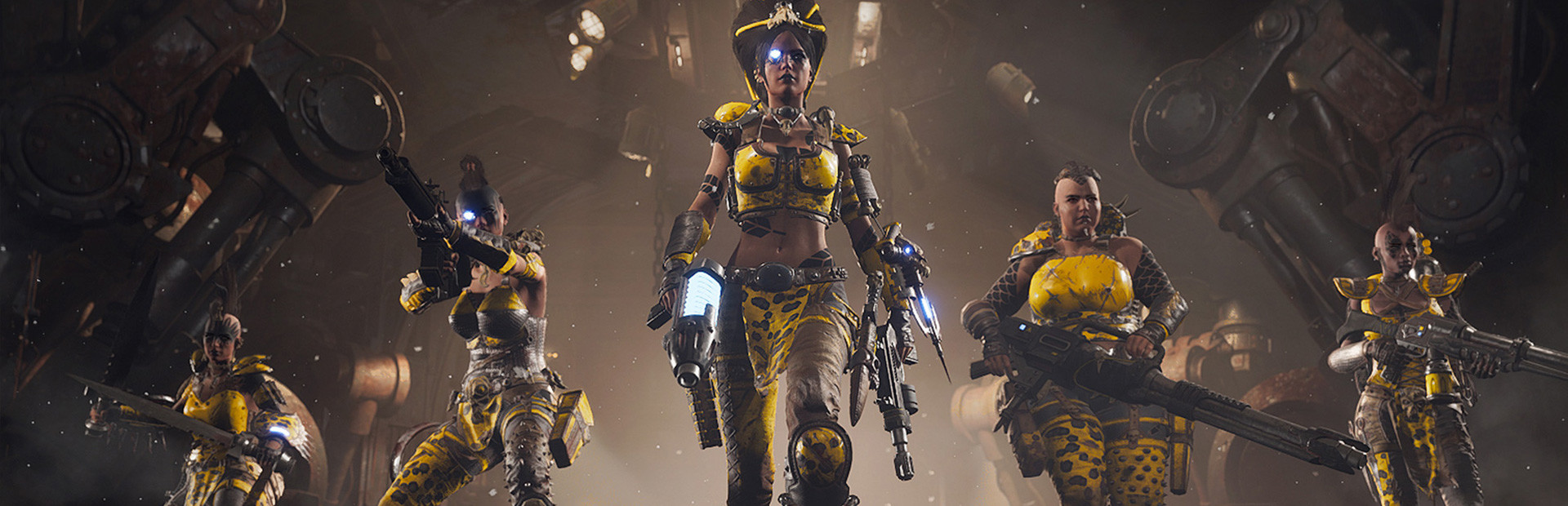
The first six hours ask for more patience than I usually hand a tactics game. The camera fights you on the vertical maps, the menus bury the numbers I actually want, and every animation takes a beat longer than it should. I keep notes on this genre the way other people keep receipts, and my early pages were mostly complaints. Then somewhere around the third proper gang war the action point economy clicked, I stopped wrestling the interface, and I started reading the map. That is the honest shape of Necromunda: Underhive Wars. There is a genuinely interesting tactical core in here wrapped in a presentation layer that loses a lot of people before they ever reach it. Whether that trade is worth making depends entirely on how much friction you will eat in exchange for a squad-builder with real long-term consequences. Plenty of players decided it was not worth it. The 56 percent Steam score is not an accident. Mechanically, movement and shooting draw from the same pool, so every step up a gantry is a shot you did not take. Maps are built vertically rather than horizontally: ladders, catwalks, ziplines, gaps you can drop through if you accept the fall damage. That verticality is the best idea in the game. Sightlines run in three dimensions, so holding a high walkway with an overwatch cone genuinely locks down a lane, and a smart flank means climbing rather than circling. Overwatch is the pivot of most firefights, and committing a fighter to a reaction stance instead of a shot is the decision you make over and over. The AI at least understands it should not stroll into one. What it does not do well is coordinate. Enemy gangs reposition competently as individuals and rarely as a unit, which caps the ceiling on the harder fights. The layer I stayed for is the roster. Fighters are persistent people, not units. They level through skill trees, carry the loot you bolt onto them, and collect injuries that follow them into the next mission and occasionally into permanent retirement. Losing a specialist you fed twenty levels of investment stings in a way XCOM veterans will recognise instantly, and it changes how you play: you start pulling wounded fighters out early instead of squeezing one more shot. The Van Saar sit at the tech end of the gang options, leaning on las weaponry and engineered kit rather than raw muscle, which rewards a patient sightline-first approach far more than a brawling one. Building around them means thinking two or three missions ahead about which skill branches you are feeding and which bodies you can afford to expose. The complaints are real and they are not cosmetic. Loading is slow, the UI hides information a tactics game should be shoving in your face, and the campaign missions largely function as a delivery system for tutorials that never explain the systems properly. Newcomers get taught which buttons to press and not why one option beats another, which for a game this systems-heavy is a straight failure of design. Patches after launch cleaned up stability and trimmed some of the waiting, but nobody rebuilt the camera. Multiplayer exists in both competitive and co-op forms, and the population is thin enough that you should treat it as a bonus rather than a reason to buy. There is no meaningful mod scene either, which is usually what rescues a game in this exact shape. So who is this for. If you want a clean, responsive, snappy tactics game, look elsewhere, because this one will annoy you before it impresses you. If you have already put a hundred hours into the obvious genre leaders and what you specifically want is the campaign-management half of that formula, with lasting injuries, deep skill trees and a gang you get genuinely attached to, this rewards persistence better than its aggregate score implies. Go in expecting to spend the first evening fighting the controls and the rest of the week planning progression. Set your camera sensitivity before mission one, accept that turns take longer than they should, and judge it on the tenth fight rather than the first.

Strategy & simulation
Tags
System Requirements
Minimum
- OS
- Windows 10 (64-bit)
- Processor
- Intel Core i5-3450 / AMD FX-6300
- Memory
- 8 GB RAM
- Graphics
- 2 GB VRAM, GeForce GTX 660 / Radeon R9 270
- Storage
- 40 GB available space
Recommended
- OS
- Windows 10 (64-bit)
- Processor
- Intel Core i5-6600 / AMD Ryzen 3 1200
- Memory
- 16 GB RAM
- Graphics
- 4 GB VRAM, GeForce GTX 970 / Radeon RX 580
- Storage
- 40 GB available space
Keep exploring
Community Discussion
Be the first to comment on Necromunda: Underhive Wars - Van Saar Gang.
Reviews & Ratings
Game Info
- Developer
- Rogue Factor
- Publisher
- Focus Entertainment
- Release Date
- Sep 7, 2020
