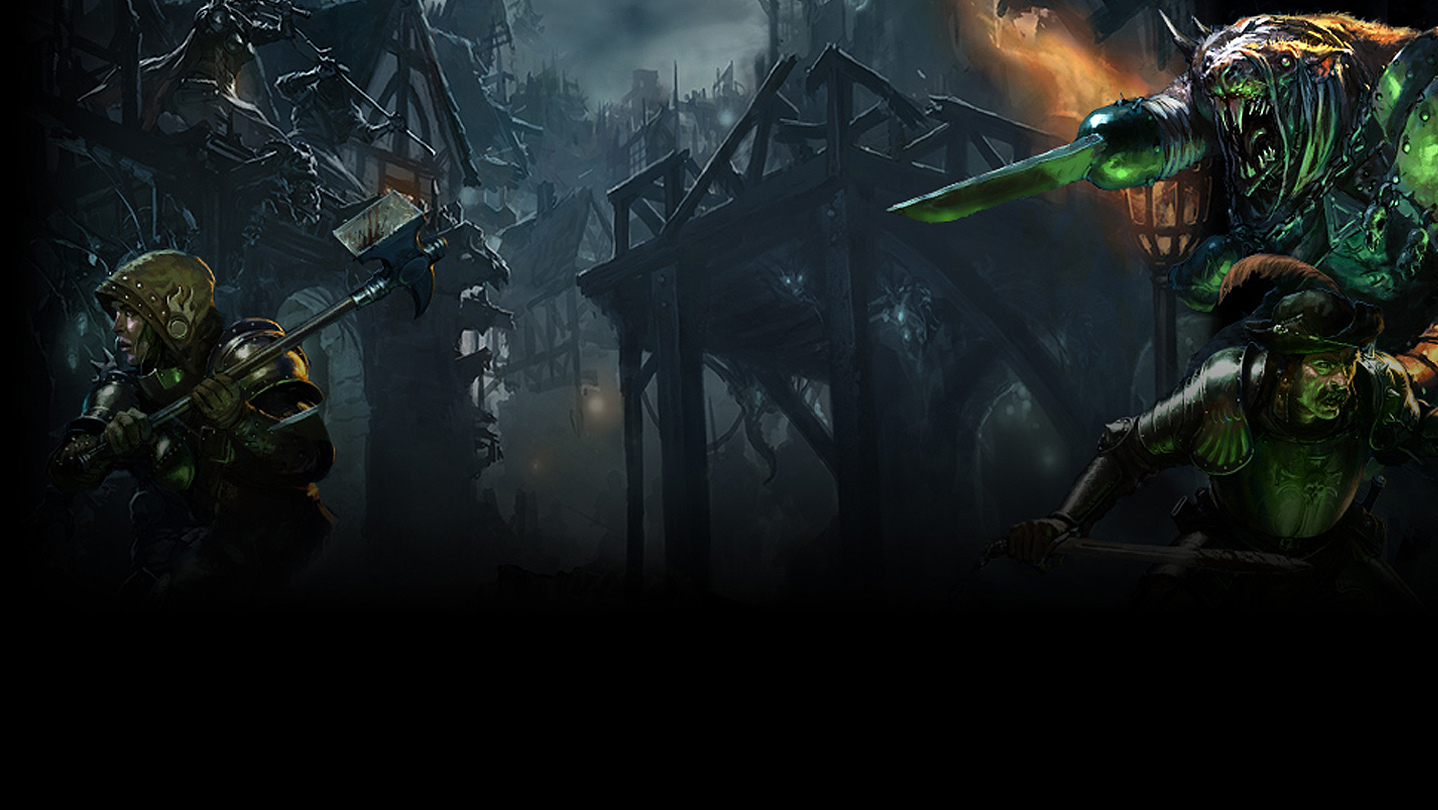
Mordheim: City of the Damned
A brutal turn-based tactics game set in Warhammer's cursed city, where your warband bleeds, loses limbs, and sometimes just dies permanently.
GamerScout Verdict
Best for XCOM-hardened tacticians and Warhammer lore fans who can stomach repetitive missions in exchange for punishing, memorable skirmishes.
Compare Prices(10 stores)
Every store in this table quotes us in euros, so the EUR figure is the price the seller actually set, not our arithmetic — which is why EUR is also the currency we rank in. We only list an offer here when the store gives us its price in euros, so nothing in this table is a number we invented.
Pick USD, PLN, GBP, CAD or AUD in the header and we convert from EUR at the European Central Bank reference rate — converted amounts are prefixed with ~. Your bank or the store may apply a different rate at checkout. We never hide offers based on where you are: everyone sees this whole table.
We may earn a commission when you buy games through links on this page — at no extra cost to you. It never affects our rankings or verdicts.
Price History
Screenshots & Media
About Mordheim: City of the Damned
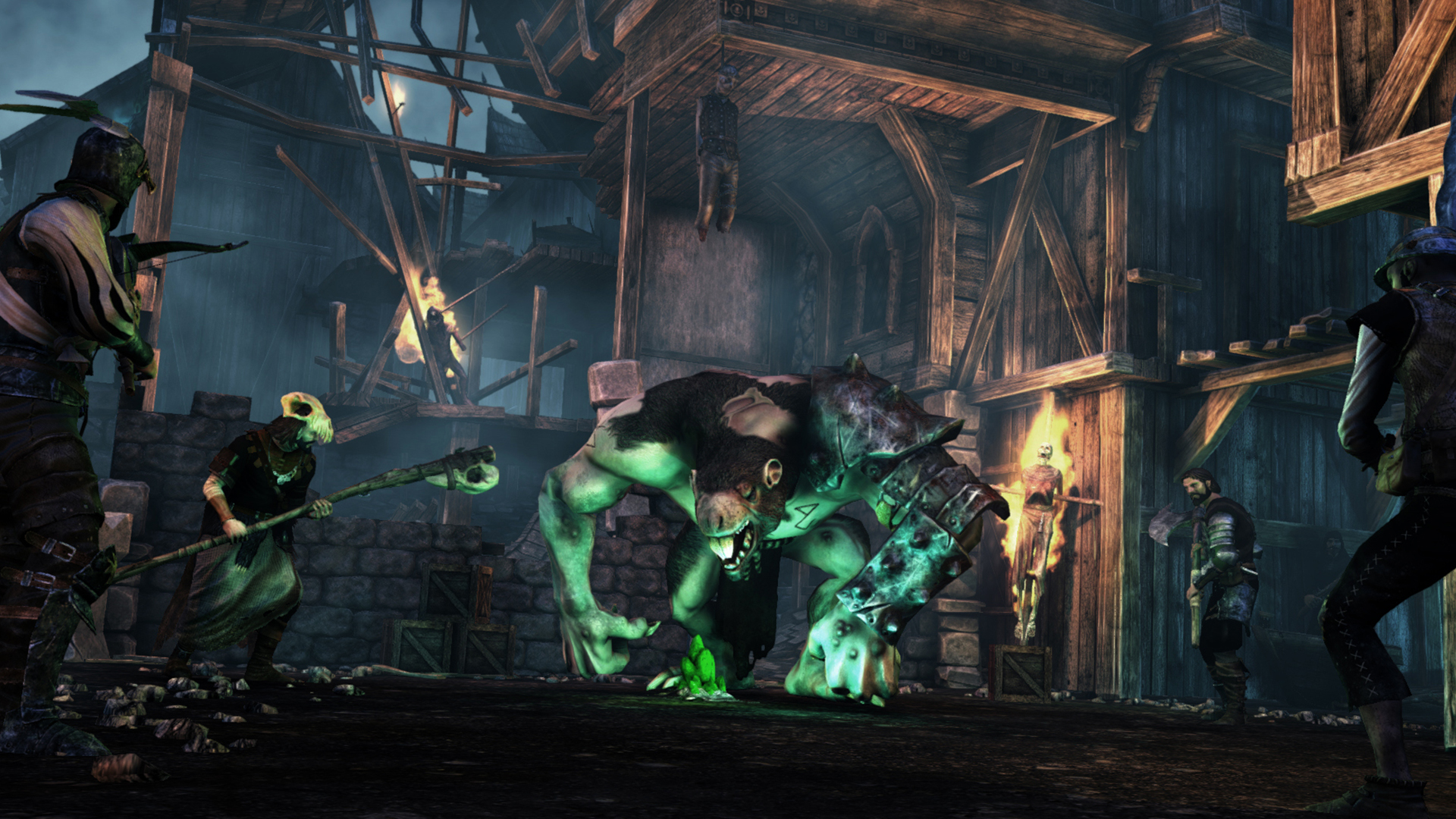
Mordheim: City of the Damned is Rogue Factor's adaptation of Games Workshop's cult tabletop skirmish game, and it carries that source material's mean-spirited soul faithfully, sometimes too faithfully for its own good. This is a turn-based tactical RPG where you command a small warband through the rubble of Mordheim, a city shattered by a twin-tailed comet and soaked in something called Wyrdstone, which everyone wants and which will absolutely ruin you in the process. The tone is grimdark without apology, the architecture is gothic and crumbling, and the game is genuinely happy to watch your favorite soldier lose an eye, a leg, or their nerve entirely after a bad skirmish. The faction and warband variety is one of the stronger hooks here. You can field the devout Sisters of Sigmar, the mutant-ridden Skaven, the merciless Cult of the Possessed, or the mercenary Human warbands, and each plays with meaningfully different unit rosters and upgrade paths. Character progression leans into the tabletop roots: your heroes gain skills between missions, but injuries from failed engagements pile up as permanent debuffs, and a dead hero is gone. That permanent wound system creates genuine attachment to your roster, and also genuine rage when a veteran warrior trips a dodge roll and bleeds out in a side alley. Build variety holds up reasonably well across the campaign, rewarding players who think carefully about stat allocation and skill synergies rather than just upgrading whatever the game suggests. Combat is where the game earns its mixed reputation. The action-point system, cover mechanics, and line-of-sight rules all work and reward patient, methodical players. But the AI is inconsistent, sometimes clever and aggressive, sometimes wandering into crossfire like it forgot what it was doing. Mission variety is thinner than you would hope after the first ten hours, and the campaign structure leans on repetition harder than it should. The filler-quest problem is real: you will replay similar objectives in similar ruined courtyards more times than the narrative justifies, mostly because the XP loop demands it. If you are the kind of player who bounces off grinding for incremental stat bumps, this will wear on you. The writing and worldbuilding do not reach the heights that Warhammer Fantasy lore can hit at its best, but the atmosphere is thick and committed. Loading screen lore entries and mission briefings flesh out the city's history without being exhausting about it. There is no sprawling dialogue system here, no branching conversation tree that rewards re-reads, so if you are coming from CRPG territory hoping for narrative payoff in that sense, recalibrate. The reward is systemic storytelling: the moment your scarred one-eyed champion survives a four-versus-one ambush because you positioned him correctly and prayed to the dice gods is genuinely memorable in a way that scripted cutscenes rarely are. At its best, Mordheim is a tight, unforgiving tactical experience that respects the tension of its source material and punishes overconfidence in satisfying ways. At its worst, it is a repetitive grind that makes you resent the campaign structure instead of the enemy warband. It suits players who love XCOM-style permadeath stakes, Warhammer lore, or tabletop skirmish games more than it suits CRPG fans looking for story-first experiences. Go in knowing what it is, and it has real teeth.

RPGs
Tags
System Requirements
Minimum
- Processor
- AMD/INTEL Dual-Core 2.4 GHz
- Memory
- 4096 MB RAM
- Graphics
- 1024 MB DirectX 9.0c compatible AMD Radeon HD 5850/NVI…
Recommended
- Processor
- Intel Core i5-2500K @ 3.3 GHz or AMD FX-8350 @ 4.0 GHz
- Memory
- 4096 MB RAM
- Graphics
- 2048…
DLC & Add-ons for Mordheim: City of the Damned2
Expansions, DLC packs and add-on content for this game. Click any item to see store offers.
Keep exploring
Community Discussion
Be the first to comment on Mordheim: City of the Damned.
Reviews & Ratings
Game Info
- Developer
- Rogue Factor
- Publisher
- Focus Home Interactive
- Release Date
- Nov 19, 2015
