GamerScout Verdict
Worth picking up for Souls fans who can tolerate uneven level design in exchange for the series' deepest character-building flexibility.
Compare Prices(0 stores)
Loading prices...
We may earn a commission when you buy games through links on this page — at no extra cost to you. It never affects our rankings or verdicts.
Screenshots & Media
About Dark Souls 2
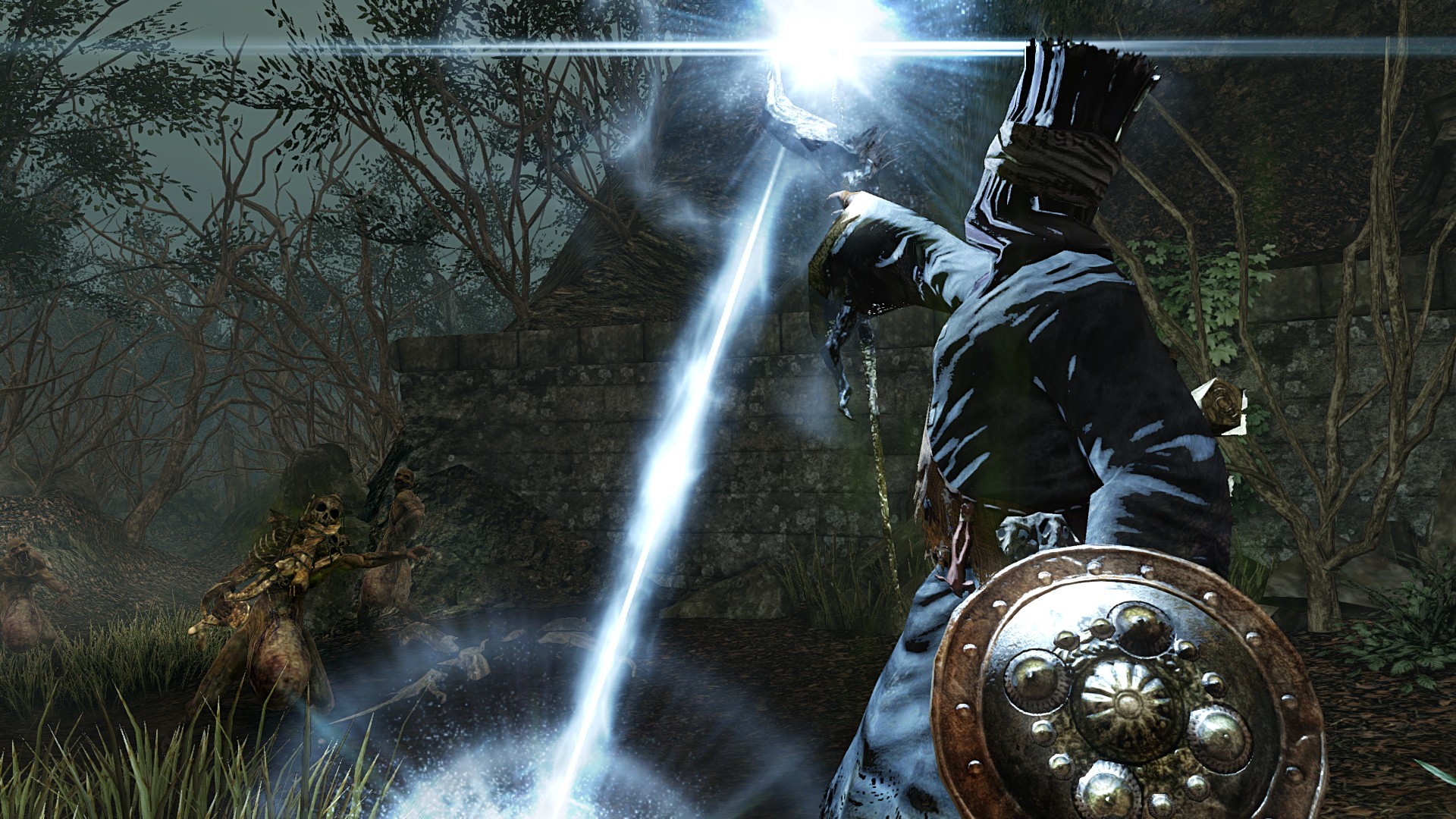
I've spent enough time with the Souls series to know that Dark Souls 2 is the entry that makes fans flinch the moment you bring it up, and honestly, that reputation tells you more about expectations than quality. This is a demanding third-person action RPG built on the same loop as its predecessor: push through hostile environments, collect souls off the dead, spend them at a bonfire before something kills you and takes them all away. The tension is real, the world is hostile, and the satisfaction of finally clearing a stretch that murdered you six times in a row is the whole point. What makes Dark Souls 2 distinct from the rest of the series is how openly experimental it is. It introduces a respec mechanic via Souls Vessels, which lets you redistribute stat points rather than committing to a dead-end build for fifty hours. Classes range from Knight to Sorcerer to Deprived, and the stat system rewards deliberate character construction. Bonfires now double as fast-travel points from the opening hours, which is a genuine quality-of-life upgrade. The healing system adds Lifegems alongside the Estus Flask, giving you a faster-acting consumable at the cost of planning your supply. A new Adaptability (ADP) stat governs your roll invincibility frames, which is either an interesting wrinkle or a trap depending on whether you read the tooltips. Most new players walk straight into that trap. The combat demands patience over aggression. Where the first game punished greed, this one punishes blind bravery. Enemy groups in areas like the Lost Bastille will surround and overwhelm you if you charge forward. Bosses are numerous, more so than in any other entry in the series, which means plenty of memorable fights alongside a fair number of forgettable ones. Getting to a boss can sometimes be the harder challenge, as runbacks through respawning enemies test your nerve as much as the encounter itself. Enemy AI has its rough patches too, with occasional wall-clipping and exploitable pathing that undercuts the atmosphere. The level design is where the community split is sharpest. The hub area of Majula, a sun-soaked cliffside town that slowly fills with NPCs as you progress, is one of the series' warmest and most atmospheric spaces. The zones that branch off it are uneven: some, like No-Man's Wharf, are genuinely tense and well-constructed, while others feel disconnected from each other in ways that the original game's tighter geography never did. The three-part Lost Crowns DLC, released after launch, drew praise specifically for returning to that interlocking looping level design the first game perfected, and if you are buying the Scholar of the First Sin edition those expansions are bundled in and worth your time. If you have played Dark Souls 1 and 3 and skipped this one based on community noise, that is a worthwhile gap to close. It is rough in specific ways that matter, but it does things no other entry in the series tries, and its build variety and respec flexibility make it one of the more approachable starting points for new Souls players willing to engage with its systems on their own terms.

Catch-all
Tags
System Requirements
Keep exploring
Community Discussion
Be the first to comment on Dark Souls 2.
Reviews & Ratings
No ratings available
Game Info
- Developer
- Unknown
- Publisher
- BANDAI NAMCO Entertainment
- Release Date
- TBA


