Compare Warhammer 40,000: Dawn of War III prices across trusted key stores and find the best deal. Developed by Relic Entertainment. Published by Relic Entertainment. Released on 4/27/2017. Available on PC, Mac, Linux. Genres: Action, Simulation, Strategy. Metacritic score: 77/100.

A Metacritic-77 RTS that tried to fuse Dawn of War I's base-building with Dawn of War II's hero focus, then stirred in MOBA DNA - and ended up alienating veterans while offering newcomers a surprisingly playable (if shallow) entry point.

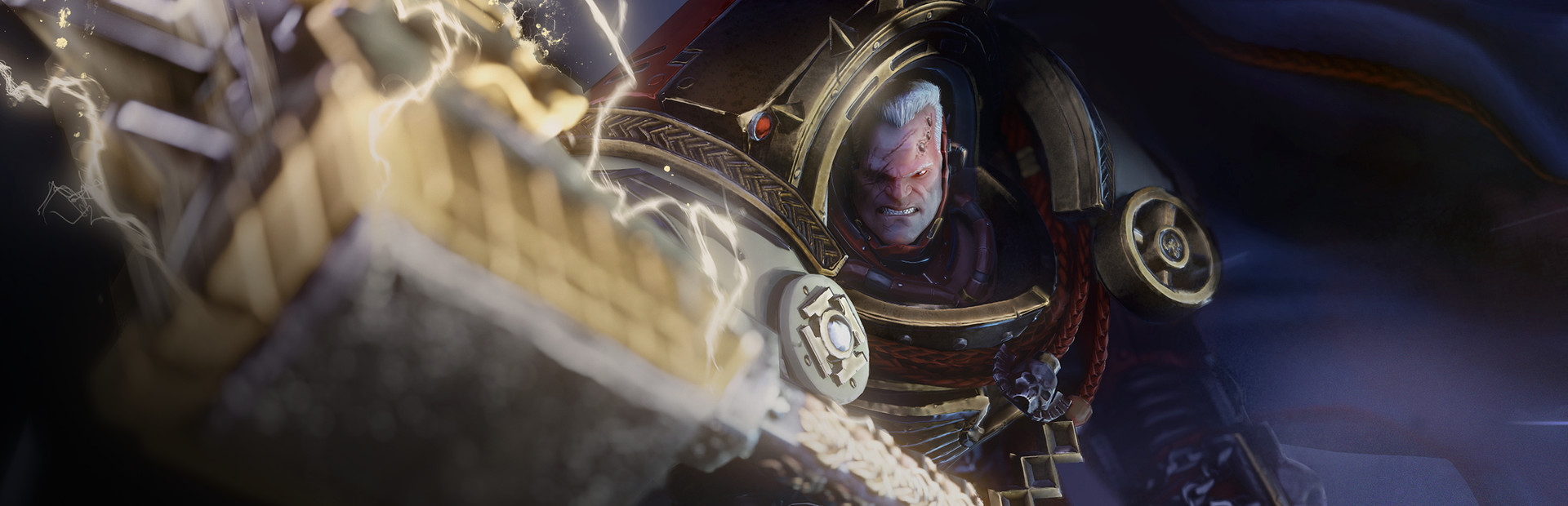
My spreadsheet instinct kicked in about twenty minutes into the first multiplayer match: three elites selected from a faction-specific roster, a Doctrine loadout capped at three army-wide buffs, resource nodes split between requisition for basic infantry and power for vehicles and walkers, and a four-phase Escalation system that gradually shifts the economy from unit-refund relief toward raw resource momentum. On paper that is a respectable stack of interlocking decisions. In practice, quite a bit of that depth collapses before the mid-game. The fundamental problem is the Elite unit system. Each faction picks three elites before a match, and the stronger picks - Gabriel Angelos for the Space Marines with his thunder hammer, Phoenix Lord Jain Zar for the Eldar, Gorgutz for the Orks - can swing entire engagements on their own. The Doctrine system (split into Army, Presence, and Command tiers, with Command unlocks gating behind per-elite level thresholds) gestures toward meaningful army customization, but the absence of per-unit equipment loadouts and the heavily stripped cover mechanics - morale, suppression, and weapon facing are all gone compared to predecessors - means the strategic surface area is narrower than it looks on the lobby screen. The Eldar's Webway Gate repositioning trick and the Orks' looting mechanic and WAAAAGH tower network add genuine faction flavour, but the Space Marines mostly function as the "learn the basics" option, which tells you something about how shallow the faction asymmetry goes. The 17-mission campaign rotates you between all three factions, which is a structural improvement over locking you into Space Marines for the whole runtime. Farseer Macha and Gorgutz return with solid voice work, and the story - a three-way race to claim the Spear of Khaine on the mystery world of Acheron - is serviceable 40K fare. What the campaign cannot disguise is that most missions function as staged tutorials for the multiplayer mode, rarely asking you to exploit each faction's kit in inventive ways. If you arrive for lore and single-player atmosphere, you will get roughly 15 hours of content and leave reasonably entertained but not transformed. The real sting, from a strategy fan's perspective, is what got cut. Cover is now reduced to captured shield barrier points scattered around maps. There is a tech tree, but no branching path that forces you to commit to an early build order and live with it. The base-building returned from Dawn of War I but in a noticeably barebones form. For a series that helped popularise squad-based tactical RTS design, removing the decision tension around defensive positioning is a significant regression. The user interface had documented issues at launch - elite deselection bugs, box-select failures - and the player community's verdict has been blunt: Steam user reviews sit at 47 percent positive across nearly eight thousand reviews, which is a sharper community rejection than the 77 Metacritic press score suggests. DLC content was scrapped following lackluster post-launch sales, meaning the three-faction roster is the final roster, full stop. Who should still consider it? Players who want a low-friction introduction to the 40K universe in RTS form, or anyone who finds Dawn of War II's squad-only design too stripped and Dawn of War I's scale too demanding. The Power Core multiplayer mode - two to six players defending cores while capturing resource nodes and escalating through battle phases - produces chaotic, visually spectacular clashes that are genuinely exciting the first dozen times. The Army Painter cosmetic system lets you repaint every unit in the game, a nod to tabletop hobby culture that costs nothing mechanically. At a discounted price, which is where this game reliably lives, the campaign alone is a reasonable weekend investment for 40K enthusiasts. Veterans of the earlier games expecting the tactical density of Company of Heroes or the strategic depth of Dawn of War: Dark Crusade will leave disappointed. Manage that expectation and there is a decent, if compromised, real-time strategy game underneath the MOBA gloss. Diego, Scout Team

Warhammer 40,000: Dawn of War III

Warhammer 40,000: Dawn of War III

Apr 27, 2017Relic Entertainment
GamerScout Says

A Metacritic-77 RTS that tried to fuse Dawn of War I's base-building with Dawn of War II's hero focus, then stirred in MOBA DNA - and ended up alienating veterans while offering newcomers a surprisingly playable (if shallow) entry point.

PCMacLinux
Steam Deck PlayableProtonDB Gold
Best Price Available
€0.00
at N/A
Historical low: €5.50

Compare Prices(0 stores)

Loading prices...

We may earn a commission when you buy games through links on this page — at no extra cost to you. It never affects our rankings or verdicts.

Price History

Historical low
€5.5023 Jun 2026
Keyshops
€5.45€5.61€5.77€5.935 Jun12 Jun19 Jun25 Jun2 Jul
Tracking prices since 5 Jun 2026
Create alert

Screenshots & Media

About Warhammer 40,000: Dawn of War III

My spreadsheet instinct kicked in about twenty minutes into the first multiplayer match: three elites selected from a faction-specific roster, a Doctrine loadout capped at three army-wide buffs, resource nodes split between requisition for basic infantry and power for vehicles and walkers, and a four-phase Escalation system that gradually shifts the economy from unit-refund relief toward raw resource momentum. On paper that is a respectable stack of interlocking decisions. In practice, quite a bit of that depth collapses before the mid-game. The fundamental problem is the Elite unit system. Each faction picks three elites before a match, and the stronger picks - Gabriel Angelos for the Space Marines with his thunder hammer, Phoenix Lord Jain Zar for the Eldar, Gorgutz for the Orks - can swing entire engagements on their own. The Doctrine system (split into Army, Presence, and Command tiers, with Command unlocks gating behind per-elite level thresholds) gestures toward meaningful army customization, but the absence of per-unit equipment loadouts and the heavily stripped cover mechanics - morale, suppression, and weapon facing are all gone compared to predecessors - means the strategic surface area is narrower than it looks on the lobby screen. The Eldar's Webway Gate repositioning trick and the Orks' looting mechanic and WAAAAGH tower network add genuine faction flavour, but the Space Marines mostly function as the "learn the basics" option, which tells you something about how shallow the faction asymmetry goes. The 17-mission campaign rotates you between all three factions, which is a structural improvement over locking you into Space Marines for the whole runtime. Farseer Macha and Gorgutz return with solid voice work, and the story - a three-way race to claim the Spear of Khaine on the mystery world of Acheron - is serviceable 40K fare. What the campaign cannot disguise is that most missions function as staged tutorials for the multiplayer mode, rarely asking you to exploit each faction's kit in inventive ways. If you arrive for lore and single-player atmosphere, you will get roughly 15 hours of content and leave reasonably entertained but not transformed. The real sting, from a strategy fan's perspective, is what got cut. Cover is now reduced to captured shield barrier points scattered around maps. There is a tech tree, but no branching path that forces you to commit to an early build order and live with it. The base-building returned from Dawn of War I but in a noticeably barebones form. For a series that helped popularise squad-based tactical RTS design, removing the decision tension around defensive positioning is a significant regression. The user interface had documented issues at launch - elite deselection bugs, box-select failures - and the player community's verdict has been blunt: Steam user reviews sit at 47 percent positive across nearly eight thousand reviews, which is a sharper community rejection than the 77 Metacritic press score suggests. DLC content was scrapped following lackluster post-launch sales, meaning the three-faction roster is the final roster, full stop. Who should still consider it? Players who want a low-friction introduction to the 40K universe in RTS form, or anyone who finds Dawn of War II's squad-only design too stripped and Dawn of War I's scale too demanding. The Power Core multiplayer mode - two to six players defending cores while capturing resource nodes and escalating through battle phases - produces chaotic, visually spectacular clashes that are genuinely exciting the first dozen times. The Army Painter cosmetic system lets you repaint every unit in the game, a nod to tabletop hobby culture that costs nothing mechanically. At a discounted price, which is where this game reliably lives, the campaign alone is a reasonable weekend investment for 40K enthusiasts. Veterans of the earlier games expecting the tactical density of Company of Heroes or the strategic depth of Dawn of War: Dark Crusade will leave disappointed. Manage that expectation and there is a decent, if compromised, real-time strategy game underneath the MOBA gloss.

Diego
Diego · Scout Team

Strategy & simulation

Tags

singleplayermultiplayerachievementscloud-savesMOBA-HybridElite UnitsPower Core ModeDoctrine SystemFaction AsymmetryBase Building-LiteEscalation EconomyArmy Painter40K Lore

System Requirements

Minimum

Processor
3GHz i3 quad logical core or equivalent
Memory
4 GB of RAM, 1 GB of VRAM MB RAM
Graphics
NVIDIA GeForce 460 or AMD Radeon 6950 or equivalent DirectX 11-card
DirectX
Ver…

Recommended

OS
64-bit Windows 10 with latest updates
Processor
3GHz i5 quad core or equivalent
Memory
8 GB of RAM, 2 GB of VRAM MB RAM
Graphics
NVIDIA GeForce 77…

Keep exploring

Community Discussion

Be the first to comment on Warhammer 40,000: Dawn of War III.

Reviews & Ratings

Metacritic
77

Game Info

Developer
Relic Entertainment
Publisher
Relic Entertainment
Release Date
Apr 27, 2017

Game Modes

singleplayer
multiplayer

Languages

Audio (1)
English
Subtitles (13)
EnglishFrenchItalianGermanSpanish - SpainKorean+7 more

Features

AchievementsCloud Saves

Price Alert

Get notified when the price drops below your target!

Create Alert

No card? Pay another way

Top up your Steam Wallet or buy crypto with any card — instant delivery, no bank account needed.

More from Relic Entertainment

Buy smarter: helpful guides

Looking for more? See games like Warhammer 40,000: Dawn of War III →

Frequently asked questions about Warhammer 40,000: Dawn of War III

How much does Warhammer 40,000: Dawn of War III cost?

Warhammer 40,000: Dawn of War III pricing changes often and varies by store, edition and region. The live price table on this page compares the cheapest in-stock offers from trusted key stores like Eneba and Kinguin, so you always see the current lowest price before you buy.

Where can I buy Warhammer 40,000: Dawn of War III cheapest?

Compare Warhammer 40,000: Dawn of War III prices across every verified store in the price table on this page. We list the cheapest in-stock key and store offers, updated regularly, so you always see the best current deal before you buy.

What platforms is Warhammer 40,000: Dawn of War III available on?

Warhammer 40,000: Dawn of War III is available on PC, Mac, Linux.

When was Warhammer 40,000: Dawn of War III released?

Warhammer 40,000: Dawn of War III was released on 27 April 2017.

Who developed Warhammer 40,000: Dawn of War III?

Warhammer 40,000: Dawn of War III was developed by Relic Entertainment.

Is Warhammer 40,000: Dawn of War III worth buying?

Warhammer 40,000: Dawn of War III holds a Metacritic score of 77/100, making it one of the standout Action titles. See the full reviews, ratings and how-long-to-beat times on this page to decide.