Varney Lake
Two hours of sun-drenched dread, 1950s nostalgia, and a vampire that feels genuinely tragic. A Pixel Pulps entry that earns its short runtime by knowing exactly what story it wants to tell.
GamerScout Verdict
Essential for visual novel fans who want a tight, melancholy story that respects both its runtime and its reader.
Compare Prices(7 stores)
Every store in this table quotes us in euros, so the EUR figure is the price the seller actually set, not our arithmetic — which is why EUR is also the currency we rank in. We only list an offer here when the store gives us its price in euros, so nothing in this table is a number we invented.
Pick USD, PLN, GBP, CAD or AUD in the header and we convert from EUR at the European Central Bank reference rate — converted amounts are prefixed with ~. Your bank or the store may apply a different rate at checkout. We never hide offers based on where you are: everyone sees this whole table.
We may earn a commission when you buy games through links on this page — at no extra cost to you. It never affects our rankings or verdicts.
Price History
Screenshots & Media

About Varney Lake
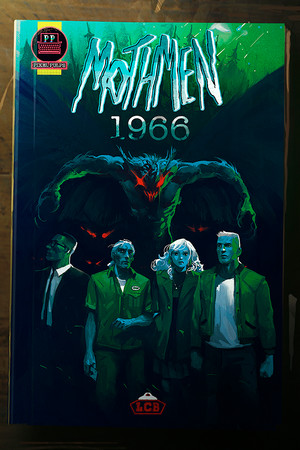
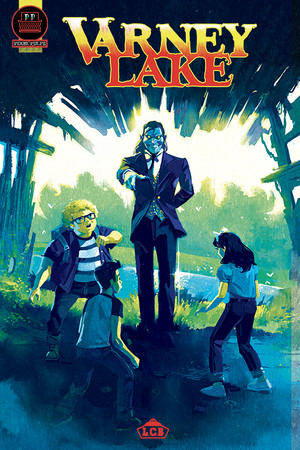
I finished Varney Lake in a single sitting, and I sat still for a good minute after the credits rolled. That is the clearest recommendation I can give for a two-hour interactive fiction game: it uses every one of those minutes without waste. LCB Game Studio, a two-person team built around novelist Nico Saraintaris and artist Fernando Martinez Ruppel, operates with the kind of focused intentionality that most studios three times their size cannot manage. This is their second Pixel Pulps entry after Mothmen 1966, and it is the more emotionally confident of the two. The structure is a dual-timeline mystery. In 1954, three kids calling themselves the Only Child Club, Jimmy, Doug, and Christine, spend a lazy summer at the lake, playing games, nursing unrequited feelings, and dreaming of saving a local drive-in theater. Then they help an old man shelter from the sun in an abandoned barn, and the whole temperature of the story drops by twenty degrees. Jump forward to 1981, and paranormal investigator Lou Hill is interviewing an older Jimmy and Christine in a diner, trying to piece together what happened that summer. Doug is conspicuously absent from that table. The dual-timeline delivery is smart: the warmth of 1954 and the damage of 1981 sit in constant, painful conversation. You already sense the tragedy before it arrives, which makes arriving all the harder. The interactivity sits closer to choose-your-own-adventure than point-and-click. You select dialogue options and steer minor story branches, with choices that ripple toward one of four distinct endings and a handful of secret scenes unlockable across multiple runs. Slotted between story beats are a few mini-games: a fishing meter system, a solitaire variant called Perfect 10, dice hopscotch, and a card trick Doug invents called Matchstick Extravaganza. Reviews are split on these. Some find them charming in-world distractions; others find the instructions verbose and the controls a little clumsy, especially the solitaire input method. They are skippable if you want them to be, which is the right call for an experience this short. The unlockable art gallery, however, does reward players who engage with the mini-games seriously, so completionists have a reason to push through. The pixel art deserves a paragraph of its own. Ruppel's 80s home-computer aesthetic is not retro as costume, it is retro as architecture. Still frames shift into multi-panel comic compositions at key moments, and the transition from sunlit summer color into darkness when the vampire's nature becomes undeniable is genuinely striking in how few pixels it needs to devastate. Sound is sparse by design, mostly chiptune punctuation rather than a continuous score, which some reviewers wished were fuller. I think the silence earns its place; when the music does appear, it lands harder for having been absent. The vampire himself, named Liszt, resists easy menace. He tells the kids ghost stories. Doug teaches him card games. The horror creeps in behind genuine warmth, which is rarer and more unsettling than anything a jump scare could manage. A note on entry point: you do not need to have played Mothmen 1966 first. Varney Lake is self-contained. But returning characters like Lou Hill carry more weight with prior context, and the connective tissue of the Pixel Pulps universe rewards series devotees. If you have the time, play Mothmen first. If you do not, you will still follow everything here. The one honest criticism is that the ending, whichever version you reach, arrives at speed. Some threads are left loose, and certain reviewers felt specific story sections could have used more room. I read that as a calculated choice for a series building toward a larger picture rather than a flaw in this installment specifically.

Indie & narrative
Tags
System Requirements
Minimum
- OS
- 7
- Memory
- 2 GB RAM
- Storage
- 250 MB available space
- Graphics
- Nvidia 450 GTS / Radeon HD 5750 or better
- Processor
- Intel i3+
Recommended
- OS
- 10
- Memory
- 4 GB RAM
- Storage
- 250 MB available space
- Graphics
- Nvidia GTX 460 / Radeon HD 7800 or better
- Processor
- Intel i5+
Keep exploring
Community Discussion
Be the first to comment on Varney Lake.
Reviews & Ratings
Game Info
- Developer
- LCB Game Studio
- Publisher
- Chorus Worldwide Games
- Release Date
- Apr 28, 2023