
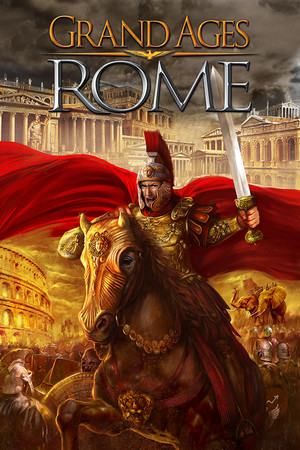
Grand Ages: Rome - Reign of Augustus
A city-builder expansion that finally gives Roman governors road infrastructure and a proper Authority system, though its 12 new missions will feel short for players who already squeezed the base game dry.
GamerScout Verdict
Best for Grand Ages: Rome fans who want fresh city-layout puzzles from roads and Authority, not a deeper strategic overhaul.
Compare Prices(4 stores)
Every store in this table quotes us in euros, so the EUR figure is the price the seller actually set, not our arithmetic — which is why EUR is also the currency we rank in. We only list an offer here when the store gives us its price in euros, so nothing in this table is a number we invented.
Pick USD, PLN, GBP, CAD or AUD in the header and we convert from EUR at the European Central Bank reference rate — converted amounts are prefixed with ~. Your bank or the store may apply a different rate at checkout. We never hide offers based on where you are: everyone sees this whole table.
We may earn a commission when you buy games through links on this page — at no extra cost to you. It never affects our rankings or verdicts.
Price History
Screenshots & Media
About Grand Ages: Rome - Reign of Augustus
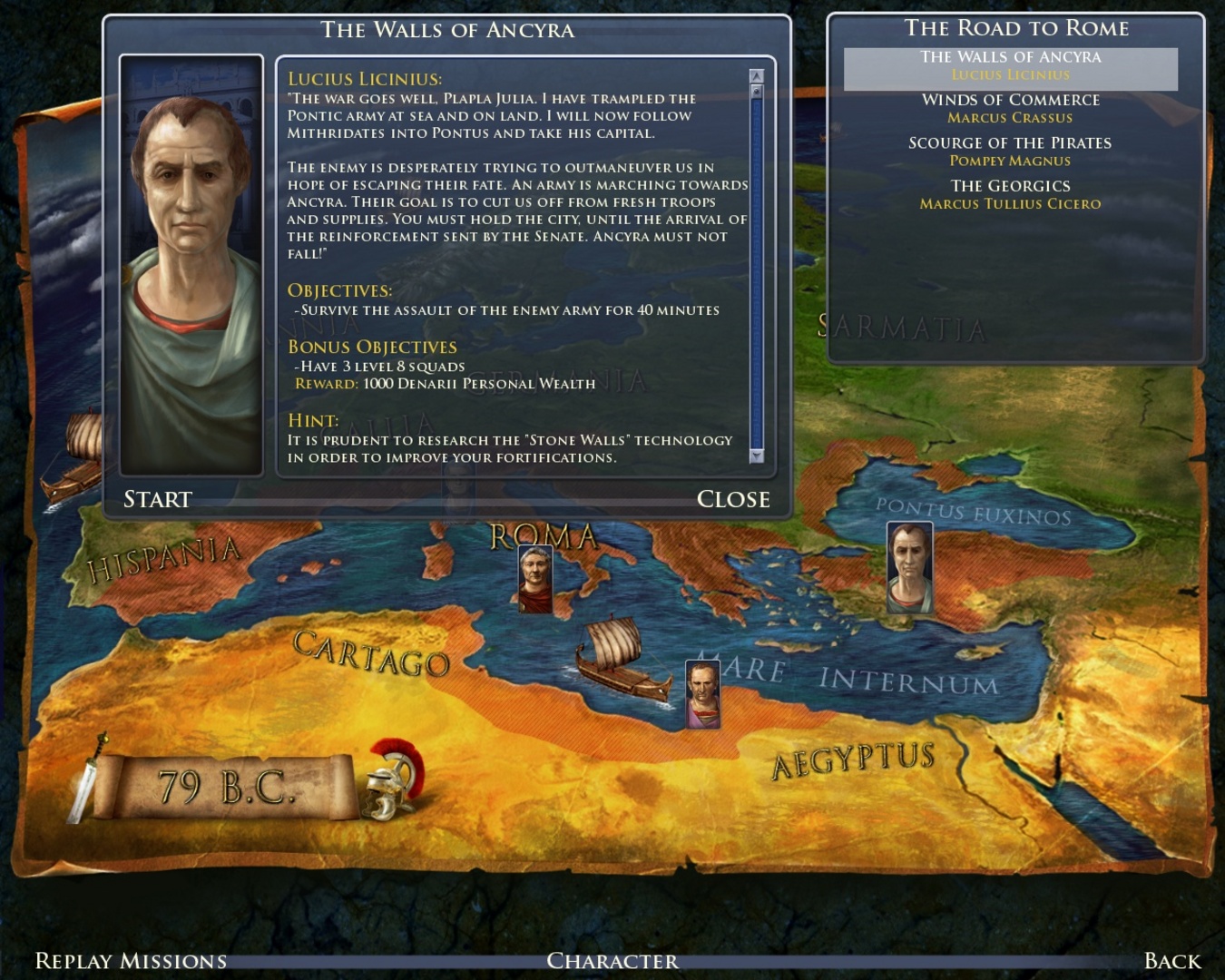
I have a soft spot for city-builders where the economy actually bites back, and Grand Ages: Rome scratched that itch better than most of its mid-2000s competition. Reign of Augustus is the official expansion, and the headline additions are two systemic mechanics that change how you think about placement from turn one. Roads now physically connect your districts to the Roman road network, accelerating unit movement and unlocking resource bonuses for buildings positioned along them. That single change forces you to rethink layouts you built on instinct in the base game, which is exactly what good expansion design should do. The Authority system layered on top of that is the other real addition worth your attention. Certain structures, including the new Senate and Tax Office buildings, generate Authority points you spend reactively, whether that means putting out a fire before it spreads, summoning a temporary allied squad in a tight military moment, or pushing through research faster when a mission clock is closing in. It is not a deep political simulation by any measure, but it adds a resource you have to consciously manage rather than hoard, and that is a meaningful step up from the base game's more passive city management loop. The Odeum and Hospital round out the four new buildings, giving you fresh population happiness levers to pull. Where things get thinner is replay value and family differentiation. Each of the five noble families, from Caesar's Julii to the knowledge-focused Flavii, receives 21 new talents spread across the expansion's talent trees. The Flavii talent line, for instance, rewards research completions with both popularity boosts and Denarii bonuses, making them a genuinely different early-game play style. But critics and community members have both noted that family choice rarely changes the fundamental course of a mission, it mostly adjusts how easy certain bottlenecks feel. That ceiling limits the strategic depth that players coming from deeper city-builders will expect. The combat system also carries over the base game's weaknesses: unit variety is thin, special abilities swing too hard, and the military side of missions rarely demands real tactical thought. The campaign itself clocks in at 12 missions, which is honestly short for players who already finished the original 40-mission run and are looking for a substantial content extension. The 12 new sandbox maps and 6 multiplayer maps pad the package, though the multiplayer audience was never large to begin with and finding active lobbies is essentially a memory at this point. A God Mode option and an improved remove tool for roads, trees, and platforms suggest Haemimont listened to quality-of-life feedback, and those two additions alone will save experienced players genuine frustration from the original release. For newcomers considering whether to jump in at the Gold Edition level that bundles both games, the recommendation is clear: start with the base game, treat Reign of Augustus as the second act, and calibrate your expectations toward a cosy city-planner with light military interruptions rather than a deep grand-strategy experience. The road network and Authority mechanics give the expansion enough identity to justify its existence. Just do not expect the content depth of a full sequel.

Strategy & simulation
Tags
System Requirements
Minimum
- Processor
- 2.5 GHz Single Core Processor
- Memory
- 1 GB RAM Hard disk space: 4 GB Video: 128 MB 3d Video Card (GeForce® 6600/Radeon® 9600 or better) DirectX® Version: 9c
Keep exploring
Community Discussion
Be the first to comment on Grand Ages: Rome - Reign of Augustus.
Reviews & Ratings
Game Info
- Developer
- Haemimont Games
- Publisher
- Kalypso Media Digital
- Release Date
- Mar 20, 2009