Goetia
Eight rooms of gothic rot, hand-painted decay, and puzzles that live inside other people's letters. Keep a notebook open or you will drift in circles.
GamerScout Verdict
For patient adventure fans who take notes for fun; skip it if you need objective markers or a hint button.
Compare Prices(4 stores)
Every store in this table quotes us in euros, so the EUR figure is the price the seller actually set, not our arithmetic — which is why EUR is also the currency we rank in. We only list an offer here when the store gives us its price in euros, so nothing in this table is a number we invented.
Pick USD, PLN, GBP, CAD or AUD in the header and we convert from EUR at the European Central Bank reference rate — converted amounts are prefixed with ~. Your bank or the store may apply a different rate at checkout. We never hide offers based on where you are: everyone sees this whole table.
We may earn a commission when you buy games through links on this page — at no extra cost to you. It never affects our rankings or verdicts.
Price History
Screenshots & Media
About Goetia
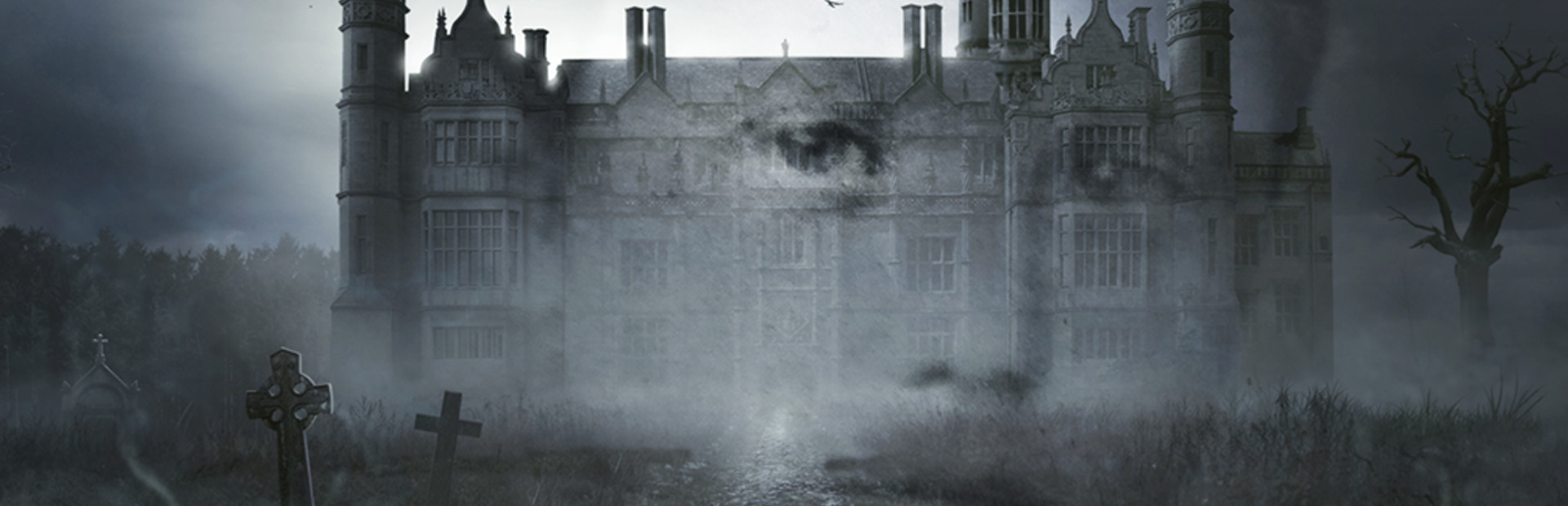
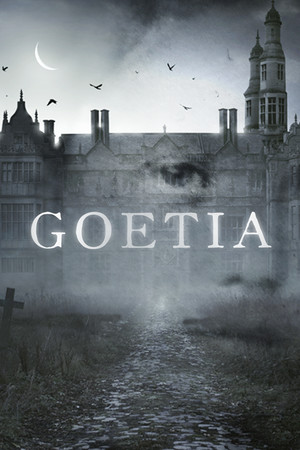
Nothing else in my backlog has made my desk look like this: three pages of scrawled dates, family names, and half-copied symbols, and Goetia earned every line of it. Sushee's 2016 adventure drops you into Blackwood Manor as Abigail Blackwood, a spirit waking up decades after her own death with no body, no pockets, and no tutorial voice telling you where to click. You are a small pale light drifting through rooms that have been rotting quietly since you left them. That premise is not set dressing. It is the entire design document, and it is why the game either grips you completely or loses you before the first locked door gives way. Because you are a ghost, there is no inventory. You cannot pocket a key and carry it three rooms over. You possess and disturb objects, you read, and you remember. Almost every solution is buried in something written: a letter left on a bureau, a diary entry that names a date, a ledger, correspondence between people who have been dead a long time. The map grows well past the entrance hall as you go, and the puzzles start asking you to hold a detail from one wing in your head while you stand in another. There is no hint button, no glowing outline over an interactive object, no quest log summarising what you learned an hour ago. The game assumes you were taking notes. If you were not, you will spend a great deal of time floating. The craft is what keeps me defending it. The backgrounds are hand-painted and they carry the whole mood: damp wallpaper, wood that looks genuinely soft with rot, light that never quite reaches a corner. The soundscape is mostly absence. Wind, timber settling, long stretches of nothing, and then a single cue that lands harder because the game spent twenty minutes being quiet first. This is a slow burn on purpose, and I will defend the pacing. The opening is deliberately disorienting because Abigail is disoriented, and nobody stops to explain the occult material to you. The story arrives in fragments, through the environment and the paper trail rather than cutscenes, so by the time the darker business surfaces properly you have already assembled half of it yourself. That is a far better feeling than being told. What does not work is the friction the design never bothered to sand down. Drifting is slow, and when a late puzzle sends you back across three areas to re-read one line you only half remember, that slowness stops being atmospheric and starts being a tax on your evening. A handful of interactive objects are small enough that you will sweep the screen looking for them. And a few logical leaps land somewhere between clever and unfair, the kind where the answer makes perfect sense in retrospect but nothing in the world pointed at it. The 77 percent positive on Steam reads about right to me. This is not a game with a quality problem, it is a game with an audience problem, and most of the negative reviews are people who correctly worked out it was not for them. So, who is it for. If you like adventures descended from Myst where the real mechanic is reading comprehension, if you actually enjoy keeping a notebook beside the keyboard, if a gothic manor and a quiet ghost sound like a good night in rather than a chore, this will be one of the better short adventures sitting in your library. Achievements, trading cards and cloud saves are all present, though nobody comes to this one for a completion checklist. If you want objective markers, a hint system, or puzzles you can brute force by rubbing every item against every door, look elsewhere and do not feel guilty about it. Goetia knows exactly what it is, refuses to hold your hand about it, and it stops before the atmosphere wears thin. I would take that over a longer game that flinched.

Indie & narrative
Tags
System Requirements
Minimum
- OS
- Windows 7
- Processor
- Intel core 2 DUO 2GHz+, AMD Athlon TMX2 2.2GHz+
- Memory
- 4 GB RAM
- Graphics
- Intel Hd graphics 520
- Storage
- 7 GB available space
- Sound Card
- N/A
Recommended
- Processor
- intel core I5-4440, AMD FX 6300
- Memory
- 4 GB RAM
- Graphics
- Nvidia GeForce GT 740, AMD Radeon R7 250
- Storage
- 7 GB available space
Keep exploring
Community Discussion
Be the first to comment on Goetia.
Reviews & Ratings
Game Info
- Developer
- Sushee
- Publisher
- Forever Entertainment S. A.
- Release Date
- Apr 14, 2016