Fear Effect Sedna
A Kickstarter-revived cult sequel with genuinely clever puzzles buried under broken AI, clunky combat, and a tactical system that almost nobody ever needed to use.
GamerScout Verdict
Skip unless you are a Fear Effect die-hard or a puzzle completionist who can stomach genuinely poor AI and combat.
Compare Prices(6 stores)
Every store in this table quotes us in euros, so the EUR figure is the price the seller actually set, not our arithmetic — which is why EUR is also the currency we rank in. We only list an offer here when the store gives us its price in euros, so nothing in this table is a number we invented.
Pick USD, PLN, GBP, CAD or AUD in the header and we convert from EUR at the European Central Bank reference rate — converted amounts are prefixed with ~. Your bank or the store may apply a different rate at checkout. We never hide offers based on where you are: everyone sees this whole table.
We may earn a commission when you buy games through links on this page — at no extra cost to you. It never affects our rankings or verdicts.
Price History
Screenshots & Media
About Fear Effect Sedna
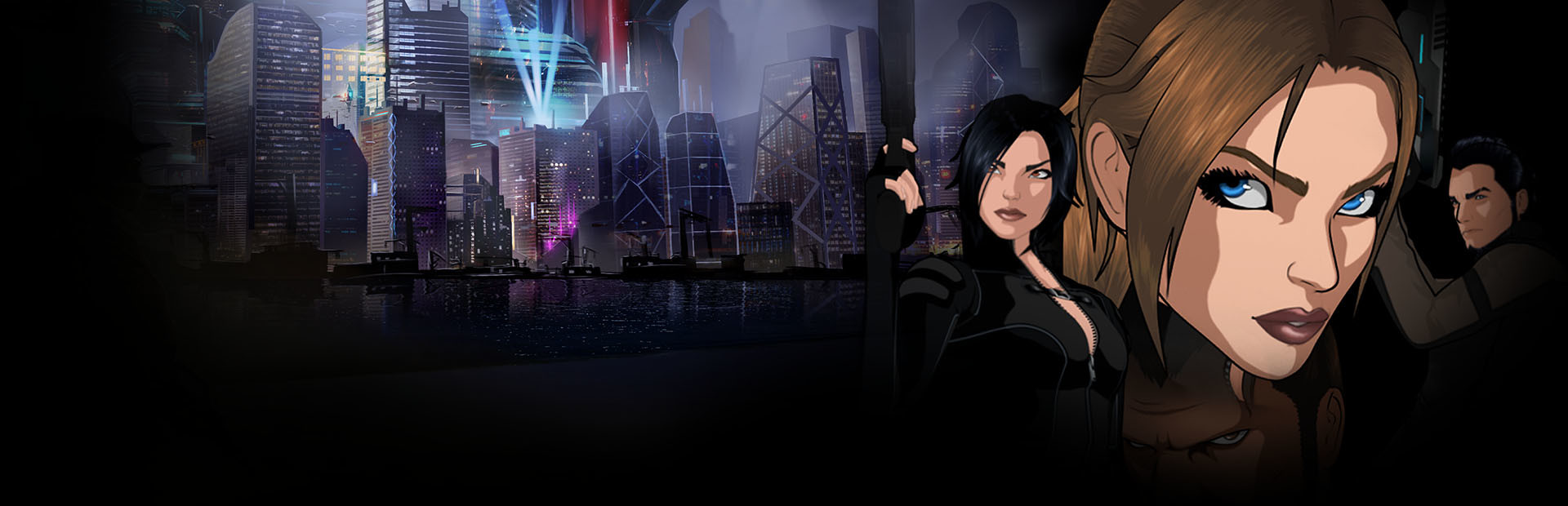
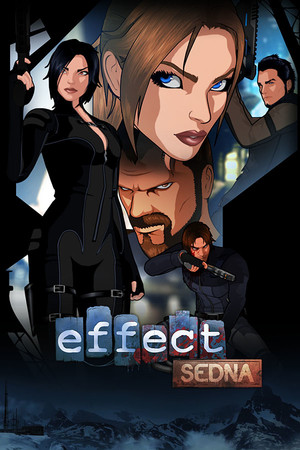
My spreadsheet instincts kicked in immediately when I heard "isometric tactical action" attached to a Fear Effect revival. On paper, coordinating up to five mercenaries across stealth corridors and enemy sightlines sounds like a decision-rich playground. In practice, the tactical pause feature sits there like a well-designed button that nobody pressed at the press conference and nobody presses during actual play either. The freeze-time command system, which lets you plot movement paths and assign attack orders before unpausing, is rendered almost entirely pointless by a combat loop that rewards button-mashing over planning. That gap between promise and execution is the defining experience of Fear Effect Sedna. The game is built around three pillars: stealth, firefights, and puzzles. Of those three, only the puzzles reliably deliver. Clues are scattered through each level, solutions require actual environmental reading, and the few that stump you feel fair rather than arbitrary once the answer clicks. The stealth sections have the bones of something functional, with enemy vision cones you track from the isometric camera, but the friendly AI tears those sections apart before they can breathe. Uncontrolled teammates ignore cover, walk into sight lines, and generally behave like they are actively competing to alert every guard in the building. The Fear Effect mechanic itself, a heart-rate system that raises your damage output while also raising the damage you receive as tension climbs, is a genuinely interesting risk dial. It just never gets the tightly tuned combat it deserves to matter. The gunfights are where Sedna earns most of its negative critical consensus, a 42 on Metacritic being one of the more generous summaries in a review pool that skews considerably harsher. Lock-on targeting will prioritize enemies behind cover over ones standing in the open. Enemy AI runs directly at your active character and never disengages, which makes cover mechanics functionally decorative. Each of the five playable characters carries unique secondary weapons with limited ammunition, including a bouncing-bullet pistol and a taser, but the interesting wrinkles are swallowed by the surrounding chaos. There is a sixth character who joins late with abilities that should have been the most original things in the game; instead, the AI cannot execute them reliably. What Sedna genuinely has going for it is atmosphere and visual craft. The cel-shaded cutscene art is crisp and stylized, the Inuit mythology backdrop gives the story a fresher supernatural angle than the original games' Chinese folklore, and the synth-heavy score sets a gritty neo-noir tone that the gameplay never quite earns. The story follows mercenaries Hana, Rain, Glas, and Deke after a museum heist spirals into something considerably darker, and the supernatural turns are legitimately engaging on paper. The voice acting, however, is widely agreed to be a significant liability, with performances described across the critical spectrum as flat or outright laughable, undermining the cutscenes the art team clearly worked hard on. For strategy players approaching this as a tactics game, the honest verdict is that the tactical layer is an illusion. There is no build planning, no meaningful ability synergy to solve encounters with, no AI worth outthinking. The closest thing to a decision system is the Fear meter, and even that is largely passive. Puzzle enthusiasts with a tolerance for rough combat and a passing interest in the Fear Effect lore will find isolated moments worth their time. Everyone else will hit the AI problems within the first hour and make their call from there. Sedna is a game that clearly wanted to be something interesting and ran out of time, budget, or both before the systems could be made to talk to each other.

Strategy & simulation
Tags
System Requirements
Minimum
- OS
- Windows 7 (64-bit only)
- Memory
- 3 GB RAM
- DirectX
- Version 9.0c
- Storage
- 16 GB available space
- Graphics
- NVIDIA GeForce GT 630, 1GB or AMD Equivalent
- Processor
- Intel Pentium G4400, 3.30 GHz or AMD Equivalent
Recommended
- OS
- Windows 10 (64-bit only)
- Memory
- 4 GB RAM
- DirectX
- Version 9.0c
- Storage
- 16 GB available space
- Graphics
- NVIDIA GeForce GTX 750 Ti, 2 GB or AMD Equivalent
- Processor
- Intel Core i3-7300, 4.0 GHz or AMD Equivalent
DLC & Add-ons for Fear Effect Sedna1
Expansions, DLC packs and add-on content for this game. Click any item to see store offers.
Keep exploring
Community Discussion
Be the first to comment on Fear Effect Sedna.
Reviews & Ratings
Game Info
- Developer
- Sushee
- Publisher
- Square Enix
- Release Date
- Mar 6, 2018