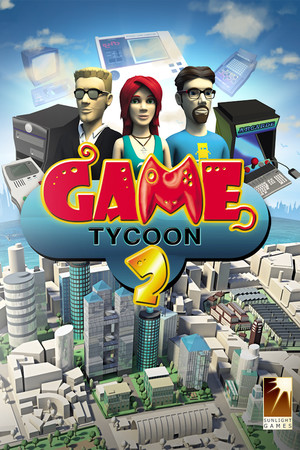
Game Tycoon 2
Mostly Negative on Steam for a reason: this game-dev sim buries a workable concept under confusing menus, opaque scoring, and a feature list that sounds bigger than it plays.
GamerScout Verdict
Skip it unless you've already finished every better game-dev sim on the market and have patience for erratic scoring and clunky menus.
Compare Prices(4 stores)
Every store in this table quotes us in euros, so the EUR figure is the price the seller actually set, not our arithmetic — which is why EUR is also the currency we rank in. We only list an offer here when the store gives us its price in euros, so nothing in this table is a number we invented.
Pick USD, PLN, GBP, CAD or AUD in the header and we convert from EUR at the European Central Bank reference rate — converted amounts are prefixed with ~. Your bank or the store may apply a different rate at checkout. We never hide offers based on where you are: everyone sees this whole table.
We may earn a commission when you buy games through links on this page — at no extra cost to you. It never affects our rankings or verdicts.
Price History
Screenshots & Media
About Game Tycoon 2
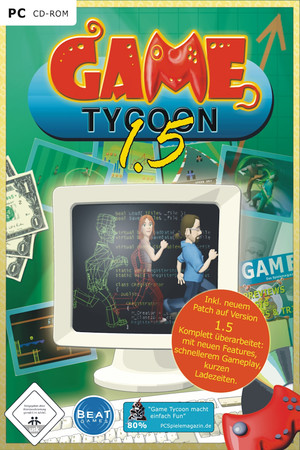
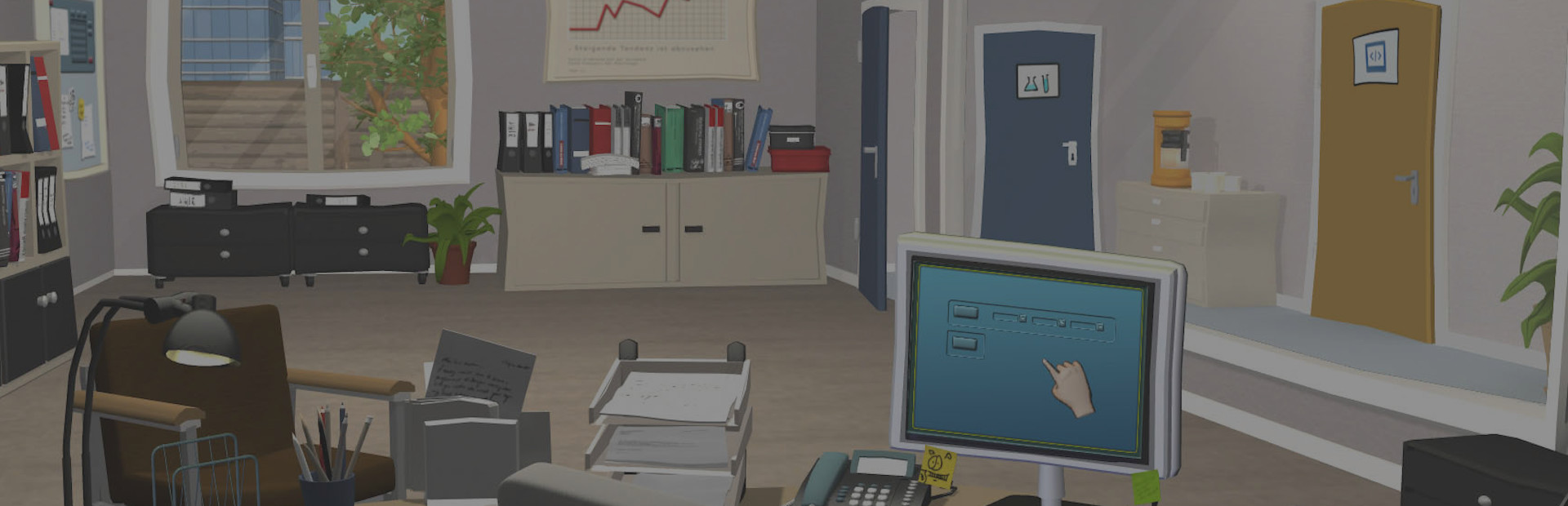
My spreadsheet instincts told me to give Game Tycoon 2 a fair shake before writing it off. I ran through the tutorial, signed publisher contracts, juggled staff hours, and shipped a dozen titles across the timeline from 1980 to the near-future era the game promises. What I found is a management sim with legitimate ambition that consistently trips over its own execution. The core loop is recognizable enough: pick one of three starter developers, secure a contract with a publisher who dictates genre, platform, and deadline, then manage your studio's staff, technology choices, and release cadence to hit quality targets and turn a profit. On paper, the progression from humble home-computer releases in the early 1980s up through console, handheld, and smartphone markets sounds like solid tycoon material. The game advertises more than 170 development techniques spread across that 1980-to-2050 window, and the breadth of platform targets (PC, console, handhelds, smartphones) does give you something to chase. There is also a campaign of around twenty missions alongside a freeform Endless mode, which is honestly where the game breathes a little more freely than the objectives-driven campaign. The problems are structural, not cosmetic. Review scores for released titles behave erratically: you can build what looks like an optimized project, check every requirement, and still receive a low score with zero feedback on why. There is no way to read post-launch reviews or pull meaningful data from a finished game to course-correct on the next one. That feedback loop is the backbone of any good management sim, and its absence here makes the mid-game feel like guesswork rather than strategy. Worse, the menus are genuinely laborious. Reaching routine settings requires several clicks through nested screens, and the UI never develops the muscle memory that titles like Game Dev Tycoon or Mad Games Tycoon 2 earn fairly quickly. Staff management adds granular controls over vacation time and work hours, which sounds like depth but reads in practice as busywork that pads out sessions without improving the quality of decisions. For newcomers to the genre, the tutorial covers the basics in passable fashion, though the English localization has some rough patches and the lack of any voiced guidance makes early sessions feel cold. The Endless mode is the closest thing to a redemption arc: without the mission objectives boxing you in, the pacing relaxes enough to experiment with tech unlocks and publisher relationships. The predecessor's reputation (Game Tycoon 1.5 landed at 42 on Metacritic) set a low bar, and this sequel clears it marginally, but the Steam community has been blunt, with the game sitting at Mostly Negative based on 127 user reviews. That is not a number to ignore. If your tolerance for rough management sims is high and you have already exhausted better options in the genre, the Endless mode and the long tech timeline give you something to poke at. For everyone else, the genre has stronger, cheaper, and better-maintained alternatives that respect your time more.

Strategy & simulation
Tags
System Requirements
Minimum
- OS
- Windows 7, 8 or 10
- Memory
- 1 GB RAM
- Storage
- 600 MB available space
- Graphics
- Graphics card with a minimum of 256 MB
- Processor
- Pentium 4 with 2GHz (or better)
Keep exploring
Community Discussion
Be the first to comment on Game Tycoon 2.
Reviews & Ratings
No ratings available
Game Info
- Developer
- Sunlight Games
- Publisher
- Sunlight Games
- Release Date
- Apr 8, 2016