
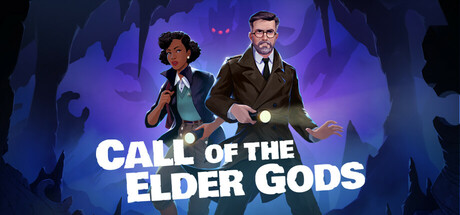
Call of the Elder Gods
A globe-trotting Lovecraftian puzzler that earns its cosmic dread through handcrafted observation challenges and an Unreal Engine 5 soundscape that genuinely unsettles. Worth the ride if you can live with a story that occasionally loses the plot.
GamerScout Verdict
Best for puzzle-adventure fans who want handcrafted brainteasers wrapped in genuinely beautiful cosmic horror; newcomers welcome but Call of the Sea alumni will get more from it.
Compare Prices(6 stores)
Every store in this table quotes us in euros, so the EUR figure is the price the seller actually set, not our arithmetic — which is why EUR is also the currency we rank in. We only list an offer here when the store gives us its price in euros, so nothing in this table is a number we invented.
Pick USD, PLN, GBP, CAD or AUD in the header and we convert from EUR at the European Central Bank reference rate — converted amounts are prefixed with ~. Your bank or the store may apply a different rate at checkout. We never hide offers based on where you are: everyone sees this whole table.
We may earn a commission when you buy games through links on this page — at no extra cost to you. It never affects our rankings or verdicts.
Price History
Screenshots & Media
About Call of the Elder Gods
Puzzle games that lean on atmosphere often forget to bring the actual puzzles. Call of the Elder Gods does not make that mistake. Out of the Blue Games returns with a six-chapter first-person adventure that moves across firelit New England mansions, Norwegian Nazi research bunkers, Egyptian ruins, and cities suspended outside of normal time, and the puzzle design keeps pace with every scene change. I found myself scribbling notes long before the hint system became necessary, which is exactly the kind of engagement this style of game lives or dies on. The dual-protagonist setup is the biggest structural shift from 2020's Call of the Sea. You control both Professor Harry Everhart and student Evangeline Drayton, swapping between them to tackle multi-part puzzles that span separate areas and, sometimes, separate moments in time. On paper that sounds like it could become a gimmick; in practice, the character-switching is where some of the most satisfying "aha" moments live. The puzzle variety holds up well across the runtime: piano key sequences tied to bauble symbols in an early manor prologue, Enigma machine decryption in a frozen research base, Egyptian hieroglyph statue arrangements, and light-beam timing challenges using rotating orbs and lenses in the late chapters. An auto-filling journal logs every clue you find, and a toggleable hint system scales from gentle nudges down to outright solutions if needed. The accessibility thinking here is genuinely thoughtful rather than bolted-on. The presentation is where the game is hardest to argue with. Eduardo De La Iglesia's score carries the same award-winning DNA as the first game, shifting from dusty academic stillness to something genuinely unnerving when the Black Ooze (or Icor, as the lore calls it) enters the frame. The Unreal Engine 5 environments are consistently striking without the stuttering and texture-pop that plague a lot of UE5 titles at launch. Practically every chapter feels like walking through a different painting, from the red sands of the Australian outback to impossible architecture that defies gravity. Between those visual peaks, the walking-sim stretches can drag a little, and some reviewers noted that Harry and Evangeline lack the same raw emotional pull that made Norah's original journey so memorable. The story draws from Lovecraft's "The Shadow Out of Time" and runs about 6-8 hours on a first playthrough, longer if you resist the hints and hunt down the optional Occult Books that introduce harder, reality-warping variants of the main puzzles. Multiple endings hinge on a sacrifice choice late in the game, though the divergences are modest enough that some players were left wishing for more consequence. A handful of puzzles also make logical leaps that feel like an internal conversation the developers had but forgot to finish writing down. These moments are infrequent, but they are the points where the hint system earns its keep rather than just offering insurance. Minor cosmetic bugs were reported at launch, nothing game-breaking. If Call of the Sea is already in your library, this sequel is an easy recommendation. If you're arriving cold, the game offers a brief recap of the first game's events and works well enough as a standalone, though certain emotional resonances will mean more with the context. The craft on display here, the puzzle logic, the layered soundscape, the sheer visual confidence of its stranger locations, feels like a studio hitting a comfortable stride. It knows what kind of game it is and commits to that identity without apology.

Indie & narrative
Tags
System Requirements
Minimum
- OS
- Windows 11 64-bit
- Memory
- 8 GB RAM
- DirectX
- Version 11
- Storage
- 25 GB available space
- Graphics
- Nvidia GeForce GTX 1050 Ti / AMD Radeon RX 570
- Processor
- Intel Core i5-10600KF / AMD Ryzen 5 3600X
Recommended
- OS
- Windows 11 64-bit
- Memory
- 8 GB RAM
- DirectX
- Version 11
- Storage
- 25 GB available space
- Graphics
- Nvidia GeForce GTX 1650 / AMD Radeon RX 580
- Processor
- Intel Core i5-11600K / AMD Ryzen 5 5600X
Keep exploring
Community Discussion
Be the first to comment on Call of the Elder Gods.
Reviews & Ratings
No ratings available
Game Info
- Developer
- Out of the Blue Games
- Publisher
- Kwalee
- Release Date
- May 12, 2026