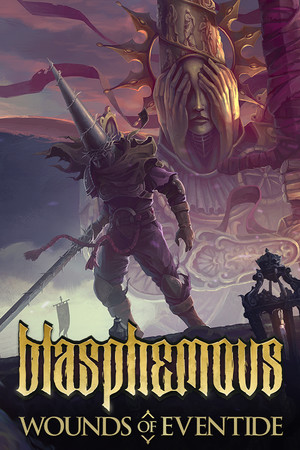
Blasphemous
Gorgeous, grotesque, and genuinely punishing: if warped Catholic iconography soaked in pixel-art gore sounds like your idea of atmosphere, The Game Kitchen built something haunting here.
GamerScout Verdict
Built for players who want atmosphere as thick as the difficulty: essential if warped religious pixel art and precise parry combat is your niche.
Compare Prices(10 stores)
Every store in this table quotes us in euros, so the EUR figure is the price the seller actually set, not our arithmetic — which is why EUR is also the currency we rank in. We only list an offer here when the store gives us its price in euros, so nothing in this table is a number we invented.
Pick USD, PLN, GBP, CAD or AUD in the header and we convert from EUR at the European Central Bank reference rate — converted amounts are prefixed with ~. Your bank or the store may apply a different rate at checkout. We never hide offers based on where you are: everyone sees this whole table.
We may earn a commission when you buy games through links on this page — at no extra cost to you. It never affects our rankings or verdicts.
Price History
Screenshots & Media
About Blasphemous
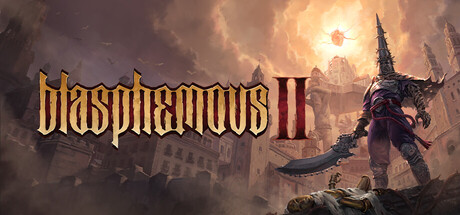
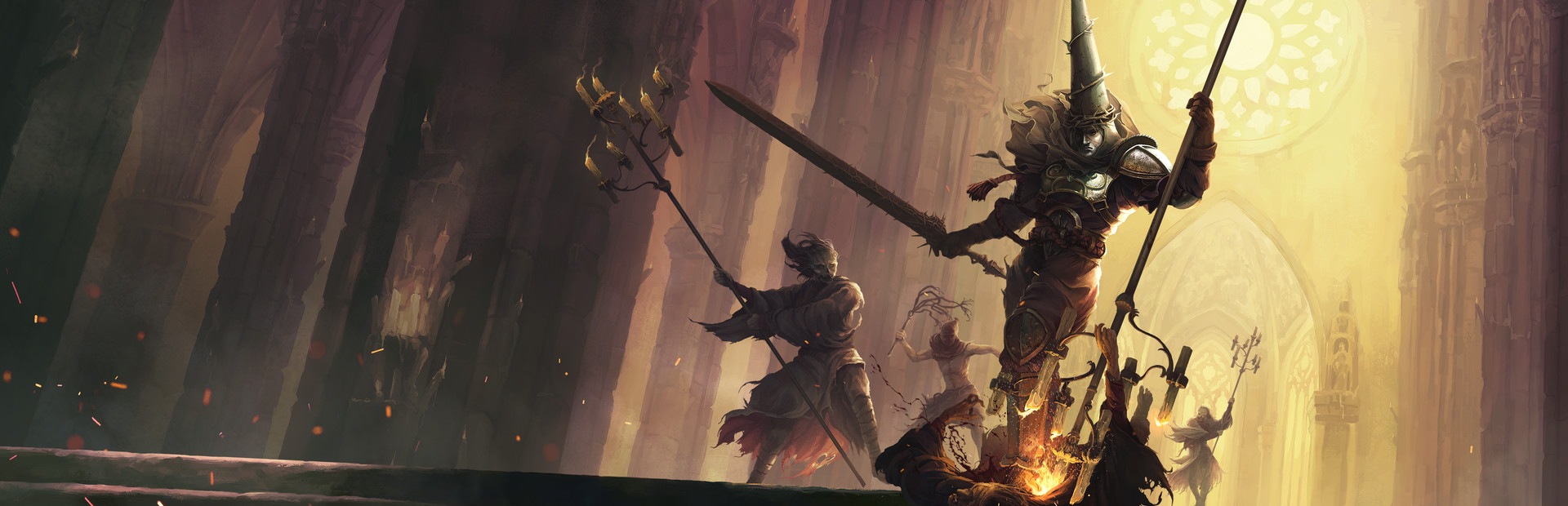
I want to talk about the pixel art first, because it earns that conversation. The Game Kitchen is a small Spanish studio, and Blasphemous wears that origin in every frame: the religious imagery draws from Andalusian Holy Week processions, the creature designs look like illuminated manuscript nightmares given a sword and a grudge, and the animation work on the Penitent One, your silent, capirote-helmeted protagonist, is detailed in a way that feels almost obsessive. This is handcrafted stuff, and it shows in a way few indie Metroidvanias match. The game sits comfortably in the Souls-adjacent Metroidvania bracket. Combat strips out a stamina bar, which pushes the rhythm faster than Dark Souls but keeps deliberate weight through a precise parry system: you need to time the block to the exact frame of impact, which means enemy attack patterns need to be memorized before they become manageable. Your primary tool is Mea Culpa, a sword you upgrade along a skill tree. Beyond that, you have Prayers (magic spells mapped to a mana pool that refills by draining health, a tidy little risk-reward loop) and a rosary bead system where equippable beads stack passive bonuses. The upgrade space is workable but not deep; do not come in expecting Hollow Knight-tier build variety. The systems are lean by design, which suits the difficulty, but players who want mechanical texture to grow throughout a run will hit a ceiling fairly early. What holds up across the full 12 to 16-hour campaign is the world itself. Cvstodia is non-linear and interconnected in the way a good Metroidvania should be, and The Game Kitchen fills it with lore delivered through item descriptions and environmental storytelling rather than cutscenes. The narrative evokes Christianity through imagery and Latin without directly referencing it, building its own mythology out of guilt, penitence, and divine cruelty. It is genuinely strange in ways that feel considered rather than edgy. The boss encounters are where everything clicks: the visual design of each boss is memorable, the fights show the combat system at its best, and landing a savage execution finisher after a tense fight carries real satisfaction. Here is where honesty matters: the platforming is where Blasphemous earns its complaints. The Penitent One clings to ledges automatically, and when instant-kill spike pits are scattered just off-screen, that ledge-grab becomes an enemy in itself. Some community members have flagged that the difficulty can tip from challenging into tedious during backtracking sections, where enemy respawns and limited fast-travel options turn exploration into a grind. A few side quests are obtuse enough that players have had to reach for external guides. These are real friction points, not reviewers being soft. Still, the atmosphere earns a lot of forgiveness. Composer Carlos Viola's soundtrack sits somewhere between Gregorian chant and dark folk, and it wraps the whole experience in a mood that few games even attempt. For players who respond to the specific combination of oppressive religious dread, precise combat, and hand-drawn pixel artistry, Blasphemous gives you something with genuine personality. The sequel exists if you finish this and want more; the studio delivered on that promise too. Go in knowing what you are signing up for: a game that cares deeply about its aesthetic world and asks you to meet it on its terms.

Indie & narrative
Tags
System Requirements
Minimum
- Processor
- Intel Core2 Duo E8400 or AMD Phenom II x2 550
- Memory
- 4 GB RAM
- Graphics
- GeForce GTX 260 or Radeon HD 4850
- Storage
- 4 GB available space
Recommended
- OS
- Windows 10
- Processor
- Intel Core i5-750 or AMD Phenom II x4 945
- Memory
- 4 GB RAM
- Graphics
- GeForce GTX 650 or Radeon HD 5770
- Storage
- 4 GB available…
Keep exploring
Community Discussion
Be the first to comment on Blasphemous.
Reviews & Ratings
Game Info
- Developer
- The Game Kitchen
- Publisher
- Team17
- Release Date
- Sep 10, 2019