We Know the Devil
Three girls on night duty, and every scene forces you to leave one of them out. A short, mean, gorgeous visual novel about queer teenage loneliness that knows exactly when to stop.
GamerScout Verdict
For readers who want a short visual novel that hurts on purpose; skip it if you need romance routes or a long, branching story.
Compare Prices(3 stores)
Every store in this table quotes us in euros, so the EUR figure is the price the seller actually set, not our arithmetic — which is why EUR is also the currency we rank in. We only list an offer here when the store gives us its price in euros, so nothing in this table is a number we invented.
Pick USD, PLN, GBP, CAD or AUD in the header and we convert from EUR at the European Central Bank reference rate — converted amounts are prefixed with ~. Your bank or the store may apply a different rate at checkout. We never hide offers based on where you are: everyone sees this whole table.
We may earn a commission when you buy games through links on this page — at no extra cost to you. It never affects our rankings or verdicts.
Price History
Screenshots & Media
About We Know the Devil
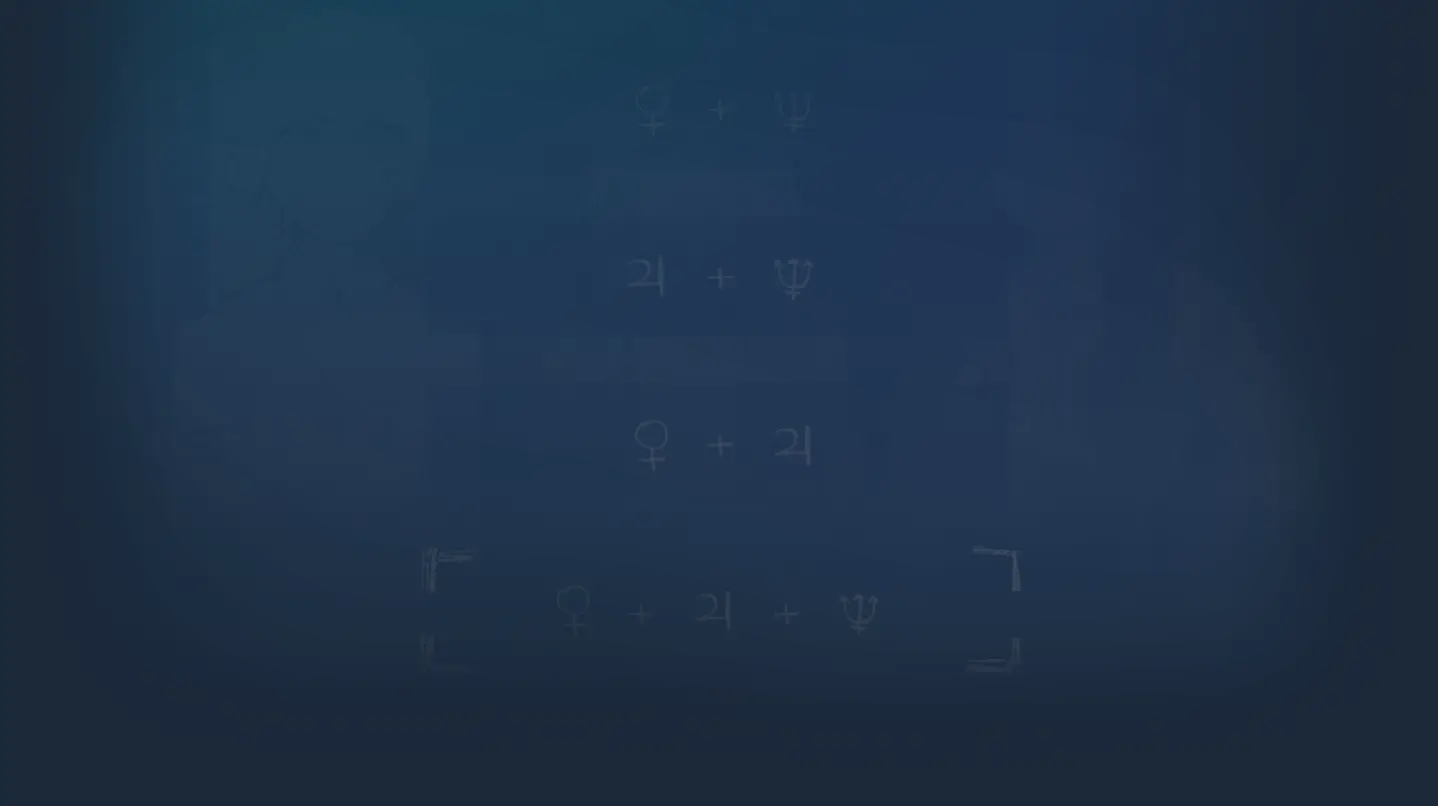
The cruelest mechanic I've played in a visual novel is also the simplest: three girls stuck on radio duty at a church summer camp, and every scene makes you pick two of them. Neptune has the sharp tongue, Jupiter is all elbows and bravado, Venus flinches first, and whichever girl you leave out spends that stretch of the night alone with whatever is in her head. That is the entire system. No stats, no inventory, no dialogue wheel, nothing to fail. You make a handful of small decisions across one sitting, and the game hands back an ending that feels like it had been waiting for you the whole time. It is a mood piece before it is a story engine, and it earns that. Backgrounds are photographs pushed through heavy color washes, all bruised purple and hot pink and static, so the camp reads less like a place than like a memory somebody keeps editing. The character art sits flat against it, expressive and a little scratchy, and the score hums underneath in low synth tones that never quite resolve into anything comfortable. There is no voice acting and almost no animation. What you get instead is text, timing, and the specific dread of a soundboard blinking in an empty cabin at two in the morning. If you read fast and skim, you will get nothing out of this. It wants you to sit in the silences between lines. What works is the writing, which is sharper about teenage misery than most games ten times its budget. It understands how a friend group of three metabolizes exclusion, how the odd one out learns to narrate her own uselessness before anyone else gets the chance. It understands the particular violence of an institution that surveils you while insisting it loves you, and it lets the devil be exactly as literal or as figurative as you need it to be. The girls talk like actual teenagers, which means they are funny and cruel in the same breath, and the jokes land hard enough that the turns into horror genuinely hurt. Neptune in particular is written with real care, her meanness the kind that comes from armor rather than appetite, while Venus gets the quietest and most devastating material in the script. The routes reward you for paying attention to the shape of your choices rather than picking a favorite and defending her all night, and the Steam achievements nudge you toward seeing more than one outcome. Where it disappoints: the opening stretch is mostly banter and radio chatter, and it does not signal early enough that a payoff is coming. I will defend a slow start when the last twenty minutes justify it, and here they do, but plenty of players bounce before that. The climax also turns deliberately abstract, trading plain scenes for imagery some readers will find precious rather than transcendent. Replays reuse a large amount of the same material, so seeing everything means clicking through text you have already read. It is short enough that some players will hit the credits feeling shortchanged, and I understand that reaction even when I disagree with it. And if you came looking for a dating sim, romance routes, or meaningful branching inside the dialogue itself, this is not that. Your input is a small number of binary choices, and the rest is reading. So it is for a narrow audience, and I would rather say that plainly than oversell it. If you like short-form visual novels that trust their reader, if you want queer coming-of-age writing that refuses to be tidy or inspirational, if you have ever been the third person in a group of three, this will get under your skin and stay there. If you need long games, systems to master, or endings that explain themselves on the way out, look elsewhere with no hard feelings. It knows what it is, it says it in one evening, and then it stops. That restraint is rarer than it should be.

Indie & narrative
Tags
System Requirements
Minimum
- OS
- Windows 11
- Processor
- 2+ Ghz
- Memory
- 4 GB RAM
- Graphics
- Intel Integrated Graphics or Equivalent
- Storage
- 750 MB available space
- Sound Card
- Optional, but recommended
Keep exploring
Community Discussion
Be the first to comment on We Know the Devil.
Reviews & Ratings
Game Info
- Developer
- Pillow Fight, Worst Girls Games
- Publisher
- Pillow Fight
- Release Date
- Feb 15, 2016