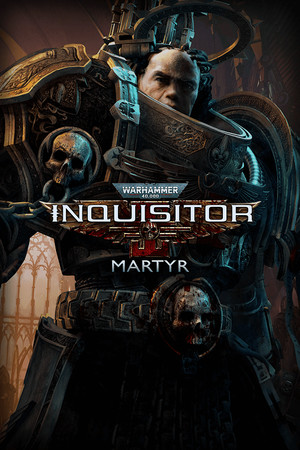
Warhammer 40,000: Inquisitor - Martyr Definitive Edition
Hundreds of hours of grimdark loot-chasing await anyone willing to learn the systems, but casual ARPG players may bounce off the slow combat and tepid onboarding.
GamerScout Verdict
Best for 40K devotees and ARPG build-crafters who can stomach slow combat and a steep systems learning curve.
Compare Prices(4 stores)
Every store in this table quotes us in euros, so the EUR figure is the price the seller actually set, not our arithmetic — which is why EUR is also the currency we rank in. We only list an offer here when the store gives us its price in euros, so nothing in this table is a number we invented.
Pick USD, PLN, GBP, CAD or AUD in the header and we convert from EUR at the European Central Bank reference rate — converted amounts are prefixed with ~. Your bank or the store may apply a different rate at checkout. We never hide offers based on where you are: everyone sees this whole table.
We may earn a commission when you buy games through links on this page — at no extra cost to you. It never affects our rankings or verdicts.
Price History
Screenshots & Media
About Warhammer 40,000: Inquisitor - Martyr Definitive Edition
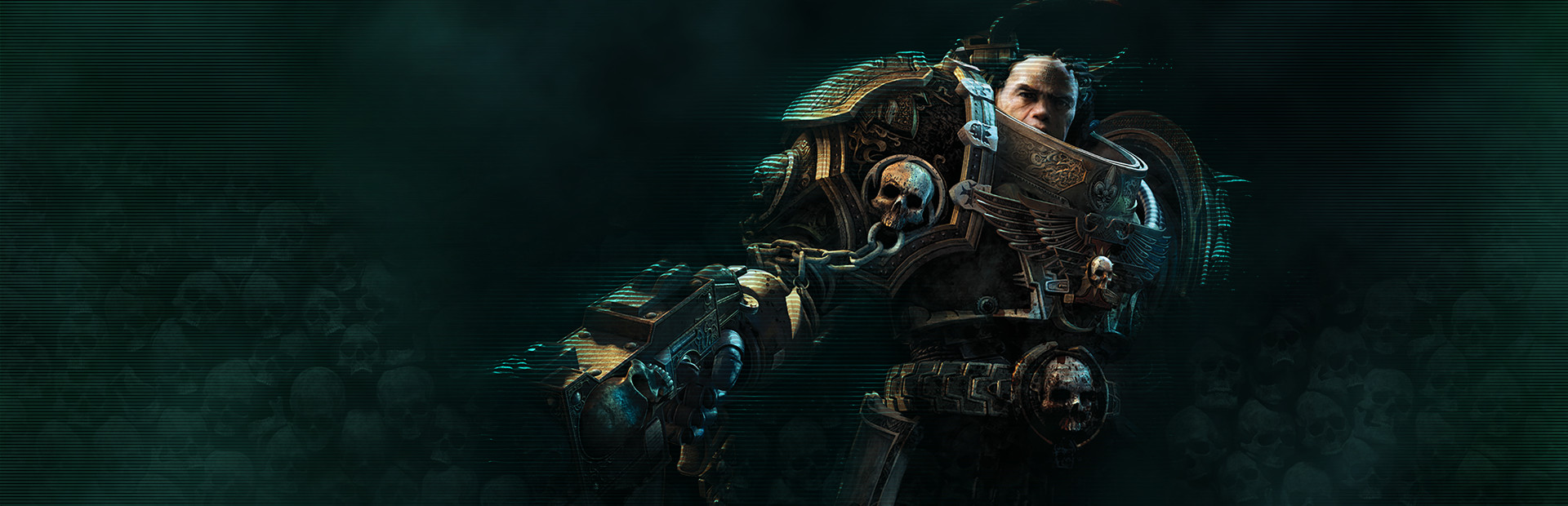
I have a soft spot for games that trust the player to read the manual, and Warhammer 40,000: Inquisitor - Martyr is absolutely one of those games. The Definitive Edition bundles years of post-launch content into a single package, and the volume alone is staggering. Five campaign chapters, a Caligari Sector's worth of side missions, a crafting economy that asks real questions about whether to salvage gear or sink credits into upgrading it, and an endgame that keeps the loop spinning well past the point where most ARPGs dry up. If you clock in expecting Diablo-with-bolters and nothing else, you are going to be surprised by how much homework this game quietly assigns you. The class lineup is where Martyr earns its build-variety credentials. The Crusader is your tanky entry point, stomping through corridors in Power Armor with heavy weapons that can clear a room in seconds, at the cost of being the slowest thing on the battlefield. The Assassin flips the formula entirely, rewarding dodge timing, Death Cult blades, and hit-and-run sniping over brute endurance. The Psyker channels Warp energy into area attacks and debuffs, with a risk mechanic baked in around Warp Heat that punishes reckless spamming. The Tech-Adept, introduced via the Prophecy expansion content bundled here, is a full pet class, letting you hang back while robotic constructs do the messy work. Each class branches into subclasses with meaningfully different weapon skill setups, and the Suppression system, borrowed intelligently from the tabletop ruleset, adds a tactical layer to positioning that most isometric ARPGs simply skip. Characters carry two weapon loadouts swappable mid-fight, each unlocking four active skills, which means your actual combat vocabulary grows substantially once you understand how weapon choice drives the build. The narrative lands somewhere between serviceable and genuinely good for 40K fans. The mystery of the Martyr, an ancient Fortress Monastery that vanished 5,000 years ago and re-emerges in the Caligari Sector bristling with automated defenses and heretical secrets, has real atmosphere. Voice acting leans into the source material's love of pompous Imperial rhetoric, and it works. The writing knows its audience: you are going to encounter Chaos Space Marines, corrupted Psykers, Tyranids, and cultists by the hundreds, and the lore connective tissue between encounters is dense enough to reward anyone already fluent in the setting. Newcomers to 40K will find the faction taxonomy steep, but the story beats are clear enough to follow without a codex in hand. The criticisms that landed on launch never fully disappeared. Combat sits at a slower, more deliberate pace than genre peers, and players expecting kinetic screen-clearing will likely find it flat. The Tarot Card system, which lets you tune mission difficulty for bonus rewards, is a smart endgame hook, but the path to understanding all the interlocking systems, from gear sockets and crafting to faction allegiances and Heroic Deeds, is poorly signposted. Expect a few hours of confused staring at menus before the machine clicks. Mission environments cycle through a recognizable set of biomes, and repetition does set in on long sessions, especially solo. Co-op alleviates this considerably. The multiplayer holds up, and running expeditions with two or three fellow Inquisitors transforms the pacing problem into something much easier to forgive. For ARPG players who care about build depth over moment-to-moment spectacle, and especially for anyone already invested in the 40K universe, the Definitive Edition is a dense, rewarding package. For everyone else, the mileage varies sharply with your tolerance for slow-burn systems and grindy mission repetition.

RPGs
Tags
System Requirements
Minimum
- OS
- 64-bit Windows 7+ (8 / 8.1 / 10)
- Processor
- Intel CPU Core i3-2120 (3.3 GHz) / AMD CPU FX-6300 (3.5 GHz)
- Memory
- 4 GB RAM
- Graphics
- Nvidia GeForce GTX 760 (2 GB) / AM…
Recommended
- Processor
- Intel CPU Core i7-2600 (3.4 GHz) / AMD CPU FX-8320 (3.5 GHz)
- Memory
- 8 GB RAM
- Graphics
- Nvidia GeForce…
Keep exploring
Community Discussion
Be the first to comment on Warhammer 40,000: Inquisitor - Martyr Definitive Edition.
Reviews & Ratings
Game Info
- Developer
- NeocoreGames
- Publisher
- NeocoreGames
- Release Date
- Jun 5, 2018