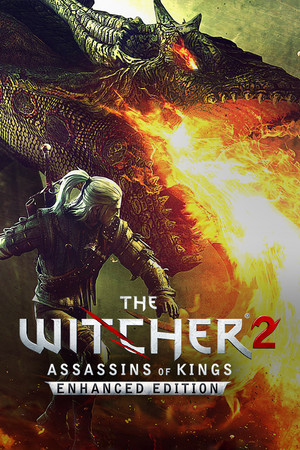
The Witcher 2: Assassins of Kings Enhanced Edition
One pivotal choice mid-game locks you out of an entire second act's worth of content, which makes the first playthrough feel like a prologue to your real run.
GamerScout Verdict
Essential for RPG players who want choices that actually lock content, not just change dialogue colour.
Compare Prices(4 stores)
Every store in this table quotes us in euros, so the EUR figure is the price the seller actually set, not our arithmetic — which is why EUR is also the currency we rank in. We only list an offer here when the store gives us its price in euros, so nothing in this table is a number we invented.
Pick USD, PLN, GBP, CAD or AUD in the header and we convert from EUR at the European Central Bank reference rate — converted amounts are prefixed with ~. Your bank or the store may apply a different rate at checkout. We never hide offers based on where you are: everyone sees this whole table.
We may earn a commission when you buy games through links on this page — at no extra cost to you. It never affects our rankings or verdicts.
Price History
Screenshots & Media
About The Witcher 2: Assassins of Kings Enhanced Edition
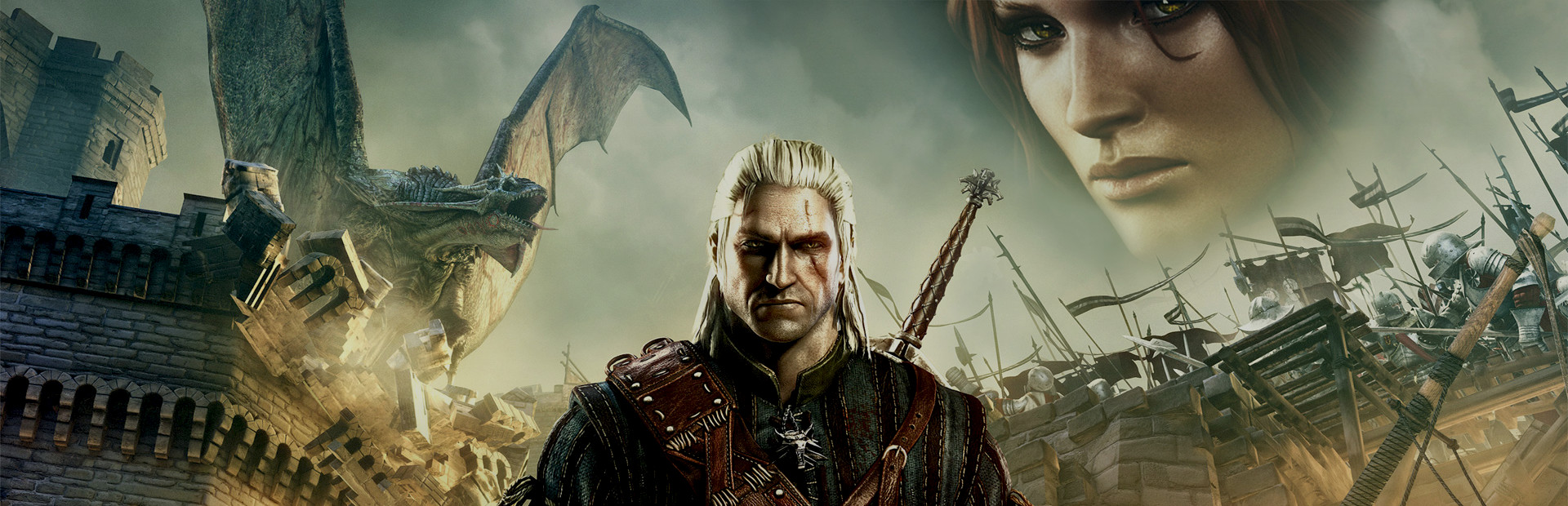
I have replayed the end of Act I more times than I care to admit, cursor hovering over a decision that splits the game into two radically different second acts, each set in different locations with different characters and different political fallout. That structural fork is the beating heart of The Witcher 2: Assassins of Kings Enhanced Edition, and it is still one of the boldest RPG design choices I have encountered. Most games gesture at consequence. This one actually seals off a substantial portion of its own content behind your call, then dares you to live with it. You play as Geralt of Rivia, a monster-slayer caught in the wreckage of a royal assassination he did not commit, chasing a Kingslaying witcher named Letho across warring kingdoms while every faction on the continent tries to use him as a political instrument. The story does not deal in clean heroism. Geralt's allegiances shift between an amoral spymaster and a fanatical resistance leader, and the game offers him logical, internally consistent reasons for either path. There are no glowing red evil options. There are only competing costs. For an RPG fan who finds most morality systems condescending, that restraint is quietly thrilling. Combat rests on three pillars: swordsmanship, magic signs, and alchemy. Silver swords for creatures born of magic, steel for humans and natural beasts. Signs like Aard (a force blast) and Quen (a protective shield) slot into a rhythm of positioning, dodging, and resource management that punishes button-mashing hard on anything above the lowest difficulty setting. The skill tree, split across swordsmanship, magic, and alchemy branches, rewards genuine commitment: abilities can add area effects to signs, double dodge roll distance, or change how alchemical potions stack, and the choices feel meaningful rather than cosmetic. What the combat does less well is pacing. A handful of encounters throw Geralt directly from a dialogue cutscene into an ambush with no save point in reach, which means replaying stretches of content you have already seen. Checkpoint placement was a fair criticism at launch and it remains one now. The Enhanced Edition added over four hours of extended gameplay, more cut-scenes, an extended final act with new areas, and an extended epilogue that traces the consequences of your decisions. Side quests branch through three chapter hubs with mini-games including poker dice, fist fighting, and arm wrestling. These are light palate cleansers rather than the deep diversions you get in later open-world RPGs, and the hub areas are compact enough that the game never tips into the padded open-world drift that kills momentum. The writing in the main quest is dense, occasionally overwrought in its political exposition, but the characters surrounding Geralt, Triss, Roche, Iorveth, Saskia the Dragonslayer, earn their screen time. The world feels like it existed before Geralt arrived and will carry on after he leaves. For players coming from The Witcher 3, expect a steeper learning curve and a smaller, more focused world. That is a feature, not a regression. The Witcher 2 is leaner, harder, and more structurally daring than its sequel, and it still holds up as a case study in what morally grey fantasy writing can look like when a studio actually commits to it. Anyone who has not played it is missing the chapter that makes several Witcher 3 payoffs land properly.
RPGs
Tags
System Requirements
Minimum
- Processor
- Intel 2.2 GHz Dual-Core or AMD 2.5 GHz Dual-Core
- Memory
- 1.5 GB (Win XP), 2GB (Win Vista/Win 7)
- Graphics
- GeForce 8800 (512 MB) or Radeon HD3850 (512 MB) Hard Drive: 25GB
Recommended
- Processor
- Intel or AMD Quad-Core
- Memory
- 3 GB (Win XP), 4GB (Win Vista/Win 7)
- Graphics
- GeForce 260 (1 GB) or Radeon HD 4850 (1 GB). Resolution: 1440x900. DirectX®: DirectX 9.2…
Keep exploring
Community Discussion
Be the first to comment on The Witcher 2: Assassins of Kings Enhanced Edition.
Reviews & Ratings
Game Info
- Developer
- CD PROJEKT RED
- Publisher
- CD PROJEKT RED, 1C-SoftClub
- Release Date
- Apr 16, 2012