The Last Birdling
Quiet, handcrafted, and genuinely harrowing: a five-hour visual novel about a forbidden friendship that earns every tear it draws out of you.
GamerScout Verdict
Essential for visual novel fans who want a short, emotionally precise tragedy with genuine craft behind every scene.
Compare Prices(4 stores)
Every store in this table quotes us in euros, so the EUR figure is the price the seller actually set, not our arithmetic — which is why EUR is also the currency we rank in. We only list an offer here when the store gives us its price in euros, so nothing in this table is a number we invented.
Pick USD, PLN, GBP, CAD or AUD in the header and we convert from EUR at the European Central Bank reference rate — converted amounts are prefixed with ~. Your bank or the store may apply a different rate at checkout. We never hide offers based on where you are: everyone sees this whole table.
We may earn a commission when you buy games through links on this page — at no extra cost to you. It never affects our rankings or verdicts.
Price History
Screenshots & Media
About The Last Birdling
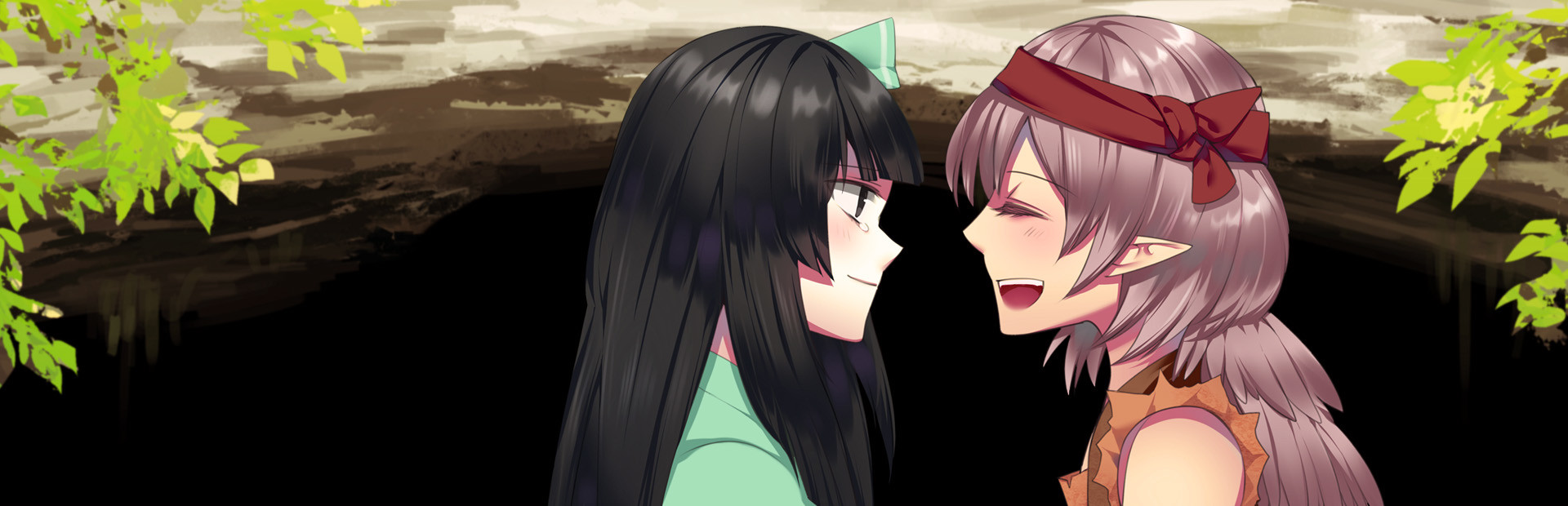
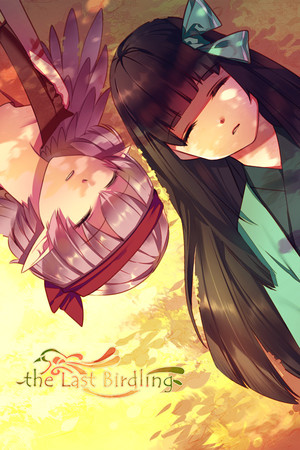
My instinct with one-person visual novel projects is always cautious optimism, and The Last Birdling is exactly why that instinct keeps paying off. InvertMouse, a solo developer who had been refining his craft across six prior titles, made this his fifth-anniversary project, and the accumulated care shows in almost every scene. What you get is a tightly told tragedy about two children, Bimonia and Tayo, who should be enemies by birthright and become best friends instead. That premise could easily collapse into saccharine fantasy allegory. It doesn't. The structure is clean and deliberate. The story alternates chapter by chapter between Bimonia's and Tayo's first-person perspectives, tracking them from the warmth of early childhood all the way into a second half that turns considerably darker. The first portion earns its gentleness without apologising for it. Bimonia is feral and cowardly in equal measure, sheltered and restless; Tayo is a prodigiously skilled archer shaped by crushing parental expectations, with a streak of ruthlessness that the story never tries to soften. Both feel like real people carrying real weight. The tonal shift in the latter half is jarring by design, and the writing commits to it without flinching. Betrayal, loss, and some genuinely disturbing implications land with force precisely because the opening chapters made you care so much. The mechanical layer is slim but thoughtful. Twenty-one choice points accumulate separate point tallies for each protagonist, and those tallies determine which of five endings you reach. What I admire is the progress tracker: it shows you the exact conditions for every ending, openly and without shame. Some players find that transparency deflating, and I understand it. The choices themselves are mostly clear in their emotional direction, which means the tension of deciding sits more in feeling than in strategy. What the system does well is invite you back for every ending without padding your time or hiding the requirements behind guide-mandatory trial and error. Each full playthrough runs around three to five hours, and the endings share substantial material, so you're really treating the whole experience as one looping read with five different emotional landings rather than five distinct routes. The presentation is modest but intentional. Character sprites and backgrounds carry a blend of vivid colour and melancholy that mirrors what the story is doing emotionally. The CG illustrations are a step up in detail and hit harder for it. There is no voice acting, which actually serves the experience; the score by composer Efe Tozan does the atmospheric work that voices might have cluttered, and it is the kind of music that stays attached to the memories the story leaves behind. One minor friction point worth naming: rewinding text to reread a passage is handled by the Page Up key or gamepad shoulder buttons, and the game does not surface this control clearly. It took reviewers trial and error to find it. Small thing, worth knowing. The criticisms are real but minor in weight. Some of the dialogue skews a little stilted when read through a first-pass lens, partly because the protagonists are children and the register is deliberate, but not every line lands with equal confidence. The choices lean toward obvious good-or-kind options rather than genuinely difficult moral trade-offs, which limits how much the branching system stresses you. And the five endings, while all worth seeing, share enough structural overlap that calling them truly distinct paths is a stretch. None of this significantly undercuts what the game accomplishes. This is a small, solo-built work that knows exactly what it wants to do and does it with considerable skill. If you have any warmth for the visual novel format, for stories that treat friendship as something worth grieving over, The Last Birdling deserves your evening.

Indie & narrative
Tags
System Requirements
Minimum
- OS
- XP or above
- Memory
- 2 GB RAM
- DirectX
- Version 10
- Storage
- 2 GB available space
- Graphics
- 1920 x 1080
- Processor
- 1.2 GHz Pentium 4
Keep exploring
Community Discussion
Be the first to comment on The Last Birdling.
Reviews & Ratings
No ratings available
Game Info
- Developer
- InvertMouse
- Publisher
- InvertMouse
- Release Date
- Aug 31, 2017