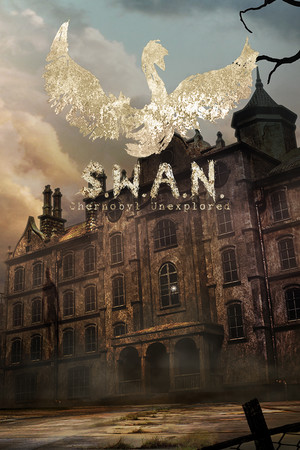
S.W.A.N.: Chernobyl Unexplored
Strong opening atmosphere, a Geiger counter ticking in the dark, and a genuinely unsettling Soviet facility -- then the game loses the plot and never quite finds it again.
GamerScout Verdict
Worth a look at a steep discount for atmosphere chasers, but expect a muddled second half that undercuts a genuinely creepy opening.
Compare Prices(3 stores)
Every store in this table quotes us in euros, so the EUR figure is the price the seller actually set, not our arithmetic — which is why EUR is also the currency we rank in. We only list an offer here when the store gives us its price in euros, so nothing in this table is a number we invented.
Pick USD, PLN, GBP, CAD or AUD in the header and we convert from EUR at the European Central Bank reference rate — converted amounts are prefixed with ~. Your bank or the store may apply a different rate at checkout. We never hide offers based on where you are: everyone sees this whole table.
We may earn a commission when you buy games through links on this page — at no extra cost to you. It never affects our rankings or verdicts.
Price History
Screenshots & Media
About S.W.A.N.: Chernobyl Unexplored
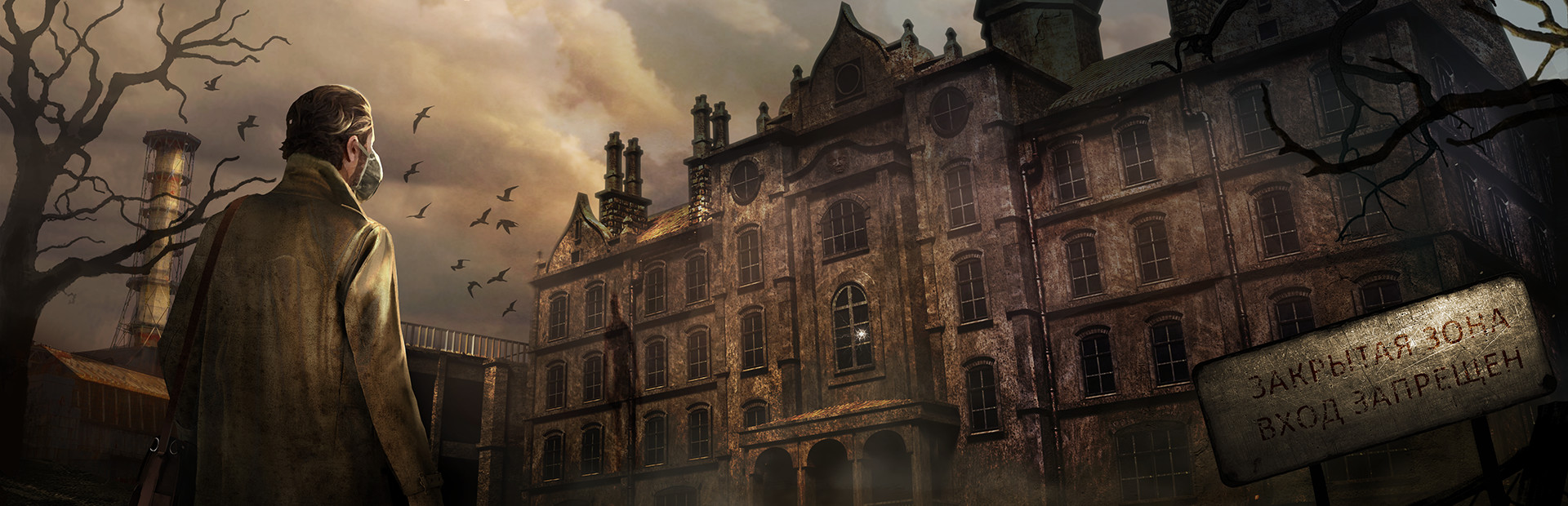
My first impression of S.W.A.N.: Chernobyl Unexplored was one of those rare moments where an indie horror setup lands exactly right. You step into a lightless corridor inside a secret Soviet research facility set months after the 1986 disaster, armed with nothing but a flashlight and a Geiger counter whose clicking already has your nerves fraying. The environmental storytelling in those early rooms is patient and confident: 1980s Ukrainian safety posters on the walls, scattered cassette tapes and notes fleshing out Professor Kaydanovskiy's inhumane experiments, creatures suspended in the dark just past the edge of your torchlight. For a stretch, Volframe earns genuine dread. The trouble is that S.W.A.N. is deeply unsure of what kind of horror it wants to be. The first chapter works as a slow-burn institutional horror, something close to early Penumbra or the quieter stretches of Outlast. Then the game pivots into a sci-fi dimension-hopping minigame structure, handing you experimental gadgets -- a mind reader device, a thought destroyer -- and asking you to shoot spectres out of an abstract sky or transcribe morse code onto facility walls. Each chapter introduces a fresh puzzle mechanic, which sounds promising on paper, but in practice the horror and the puzzle layers rarely bleed into each other. You are either solving a puzzle or being scared, never both at once, and the cumulative effect is a game that feels assembled from separate pitches rather than one coherent vision. What holds up consistently is the soundscape. The drone that sits under the ambient silence, the wet creak of doors, the static that warps your sense of space when something is wrong -- this is genuinely good audio craft, the kind that indie horror rarely gets right. The visual palette is appropriately grey and industrial, and the lighting in particular does heavy lifting: walls closing in, environments shifting without explanation, reality folding into itself when you pass through the wrong door. When the art direction and audio are working in tandem, there is real atmosphere here. On the surface level, the game is first-person exploration with key-and-lock puzzles, document pickups, and creatures that radiate harm but are largely avoidable if you keep moving. There is no combat in any traditional sense. The enemies roam fixed patterns and the primary threat they represent is radiation buildup, not an active chase. Veterans of Outlast or SOMA expecting predatory monster AI will be underwhelmed. The controls also attracted criticism across multiple platforms -- the gadget management in particular never feels as intuitive as the complexity of the tools would suggest, and cursor precision is loose enough to disrupt the pacing when item interaction matters most. Performance issues have been noted by several reviewers, which compounds an experience that already struggles to maintain forward momentum in its second half. The completion window sits around six hours, and the game does have a stack of achievements to chase if a single run leaves you wanting more. Replay value beyond that is slim: the story is linear, the scares are scripted, and once the jump moments are known they lose their edge entirely. The story itself starts with a premise worth caring about -- uncovering what experiments Kaydanovskiy was running on survivors inside the exclusion zone -- but reviewers across the board noted that the narrative loses coherence roughly halfway through, when the dimensional sci-fi layer overtakes the grounded horror setup that made the opening compelling. Steam's player base has settled the game at a mixed rating in the mid-sixties, which feels honest.

Indie & narrative
Tags
System Requirements
Minimum
- OS
- WINDOWS® 7, 8, 8.1, 10 (64-BIT Required)
- Memory
- 8 GB RAM
- DirectX
- Version 11
- Storage
- 6 GB available space
- Graphics
- NVIDIA® GeForce® GTX 760 or AMD Radeon™ R7 260x with 2GB Video
- Processor
- Intel® Core™ i5-4460, 2.70GHz or AMD FX™-6300 or better
- Sound Card
- DirectSound compatible (must support DirectX® 9.0c or higher)
Recommended
- OS
- WINDOWS® 7, 8, 8.1, 10 (64-BIT Required)
- Memory
- 16 GB RAM
- DirectX
- Version 11
- Storage
- 6 GB available space
- Graphics
- NVIDIA® GeForce® GTX 1060 with 3GB VRAM
- Processor
- Intel® Core™ i7 3770 3.4GHz or AMD equivalent or better
- Sound Card
- DirectSound compatible (must support DirectX® 9.0c or higher)
Keep exploring
Community Discussion
Be the first to comment on S.W.A.N.: Chernobyl Unexplored.
Reviews & Ratings
No ratings available
Game Info
- Developer
- Volframe
- Publisher
- Art Games Studio S.A.
- Release Date
- Apr 26, 2021