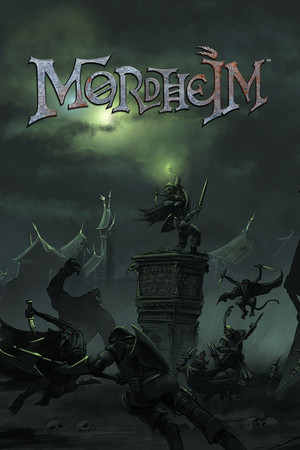
Mordheim: City of the Damned - Witch Hunters
A warband sim that cripples your best fighter in mission four and then charges you upkeep for the one-eyed version. Brutal, opaque, and unmatched if permadeath is your love language.
GamerScout Verdict
Best for roster-obsessed tacticians who want permadeath to actually hurt, not for anyone who reloads after a bad roll.
Compare Prices(3 stores)
Every store in this table quotes us in euros, so the EUR figure is the price the seller actually set, not our arithmetic — which is why EUR is also the currency we rank in. We only list an offer here when the store gives us its price in euros, so nothing in this table is a number we invented.
Pick USD, PLN, GBP, CAD or AUD in the header and we convert from EUR at the European Central Bank reference rate — converted amounts are prefixed with ~. Your bank or the store may apply a different rate at checkout. We never hide offers based on where you are: everyone sees this whole table.
We may earn a commission when you buy games through links on this page — at no extra cost to you. It never affects our rankings or verdicts.
Price History
Screenshots & Media
About Mordheim: City of the Damned - Witch Hunters
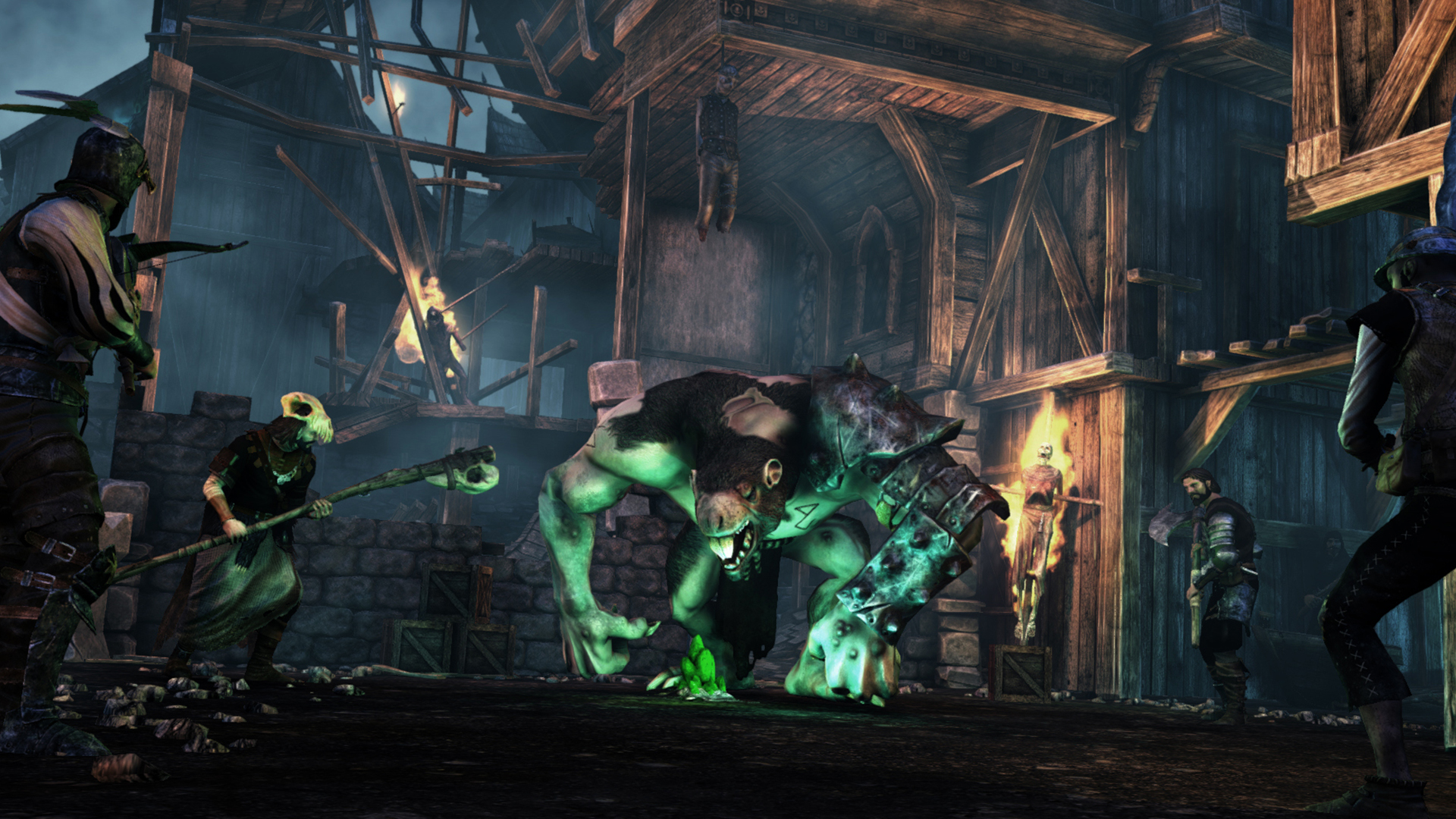
Tabletop lifers like me, the sort who name every unit and hold a small private funeral when the post-battle injury roll goes wrong, are exactly who this was built for, and anyone wanting a clean, forgiving tactics RPG that respects a two-hour evening should walk away right now. Here is the justification: every skirmish ends with a roll on an injury table, and the outcomes run from a few missions in the infirmary to a severed arm, a smashed leg, blindness in one eye, or a madness trait that turns your veteran into an expensive liability you are still paying wages on. That is the design working as intended, not a bug somebody forgot to patch. If reading that made you wince instead of lean forward, save yourself the twenty hours. What you are actually playing underneath the Warhammer skin is a warband skirmish sim wearing an RPG coat. You take six to a dozen fighters into cramped ruins built vertically as much as horizontally, with ladders, collapsed floors and rooftop gaps you can leap if the displayed percentage looks generous. Everything runs on two pools: action points for moving and swinging, and strategy points for the reactive layer of dodges, parries, ambushes and interception. Learning to hoard strategy points rather than dumping your whole turn into attacks is the real skill curve, and it takes a while to click because the game explains almost none of it. Fights are decided by charge angles and positioning far more than raw numbers. A fighter caught flanked in open ground is a fighter you are carrying home in pieces. Above all that sits the campaign layer: wyrdstone to scavenge, upkeep to cover, a warband rating that quietly scales enemies against your own success, and rout tests that can end a mission the instant your nerve breaks. The Witch Hunters themselves are the most thematically coherent roster in the game and, honestly, the friendliest place to start. The captain is a pistol-and-blade duelist, the warrior priest brings prayers that shore up the faithful and punish the corrupt, the flagellants fight like men who have already made peace with dying, cheap zealots soak the hits you do not want your leader taking, and the war hounds exist to run down archers before they get set up. This is a warband that wants to close distance and stay there, which gives it an identity most squads in this genre never earn. The fantasy stays readable throughout: you are a mob of religious fanatics kicking down doors in a cursed city, and the mechanics agree with the fiction instead of arguing with it. Where it disappoints is nearly everything around the tactics. Mission structure repeats hard, and by hour twenty you are replaying the same handful of objective types on maps you could navigate blindfolded, grinding experience so your warband rating keeps pace with enemies that scale anyway. That is padding, and it is why the campaign sags in the middle instead of building toward anything. The interface is stubborn. The camera fights you in vertical spaces at exactly the moments precision matters most. The percentages can feel dishonest even when they are perfectly fair, which is what happens when a high-odds swing decides whether a fifteen-hour investment keeps both his hands. The writing is thin too. There is a grimdark setting doing enormous heavy lifting and some flavour text around each warband, but nobody is authoring character arcs here, so do not arrive hoping for prose worth re-reading. So the recommendation splits cleanly. If your favourite screen in any tactics game is the roster screen, if you have strong opinions about equipment loadouts and you actively want a system where consequences stick permanently, this is one of the very few releases that commits fully to that idea rather than flinching at the last second. The community sentiment sitting at mostly positive rather than glowing says more about the rough edges and the grind than it does about the core loop, which is genuinely excellent. If you want polish, pacing, or a story you can quote at people, look somewhere else entirely. I keep coming back the way you return to a difficult tabletop night, rough edges included, because losing a fighter here actually costs you something.

RPGs
Tags
System Requirements
Minimum
- Processor
- AMD/INTEL Dual-Core 2.4 GHz
- Memory
- 4096 MB RAM
- Graphics
- 1024 MB DirectX 9.0c compatible AMD…
Recommended
- Processor
- Intel Core i5-2500K @ 3.3 GHz or AMD FX-8350 @ 4.0 GHz
- Memory
- 4096 MB RAM
- Graphics
- 2048…
Keep exploring
Community Discussion
Be the first to comment on Mordheim: City of the Damned - Witch Hunters.
Reviews & Ratings
Game Info
- Developer
- Rogue Factor
- Publisher
- Nacon
- Release Date
- Nov 19, 2015
