
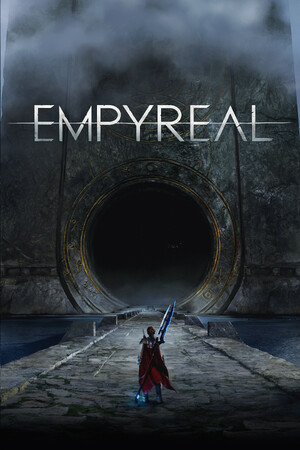
Empyreal
A debut from a 12-person UK studio that swings hard at the loot-dungeon genre and connects more often than critics will admit, but unevenly enough that your tolerance for rough edges matters a lot.
GamerScout Verdict
Best for loot-RPG players who can stomach a rough start in exchange for a genuinely original run-selection loop.
Compare Prices(7 stores)
Every store in this table quotes us in euros, so the EUR figure is the price the seller actually set, not our arithmetic — which is why EUR is also the currency we rank in. We only list an offer here when the store gives us its price in euros, so nothing in this table is a number we invented.
Pick USD, PLN, GBP, CAD or AUD in the header and we convert from EUR at the European Central Bank reference rate — converted amounts are prefixed with ~. Your bank or the store may apply a different rate at checkout. We never hide offers based on where you are: everyone sees this whole table.
We may earn a commission when you buy games through links on this page — at no extra cost to you. It never affects our rankings or verdicts.
Price History
Screenshots & Media
About Empyreal
My first impression of Empyreal was that low, building hum as you cross the bridge toward the Monolith for the first time. Before a single enemy appears, the soundscape does real atmospheric work, and that kind of intentional audio design usually signals a team that cares about more than just the combat numbers. Silent Games, a 12-person UK studio on their debut release, clearly cares. Whether the rest of the game earns that opening is the honest, messier question. At its core, Empyreal is a third-person, loot-driven action RPG built around the Cartogram system. Cartograms are essentially level keys that you collect and identify before entry, and each one tells you upfront what loot table, elemental damage types, and difficulty tier to expect. It is a genuinely clever piece of game design that shifts the meta-loop away from passive grinding and toward active run selection. The hand-crafted levels sit inside this semi-procedural structure, rewarding exploration with shortcuts, hidden Curios, and gear containers that spill colourful light when opened. There are three weapon archetypes to build around: the agile Glaive, which leans on deflection and dodge-weaving; the Mace and Shield, a more defensive archetype with blocking and parrying; and the Cannon, a ranged option with multiple ammo types and active reload mechanics. Crucially, you can switch weapons once you acquire new ones, so you are not permanently locked into an opening choice. Abilities run on cooldowns rather than a resource pool, which keeps the pace tight and removes the stamina-watching that bogs down so many action RPGs right now. The combat telegraph system is where opinions fragment hard. Enemies display a filling orange bar above their heads before committing to an attack, naming the move as it charges. Against one or two opponents this creates a rhythm that is genuinely satisfying to read and counter. Against four or five simultaneous attackers, many of them swinging from off-screen, that clarity collapses into chaos. The game starts you under-geared enough that early encounters can feel punishing beyond fair challenge, and that initial friction has clearly turned some players away before the build-crafting layer opens up. Push through it, and the modification system, tiered loot, status ailments, and dozens of unlockable abilities give you plenty of build space to work with. A New Game Plus run unlocks a secret ending, and NPC questlines for the fully-voiced hub cast add replay incentive for those who want to see every branch. The asynchronous online layer is small but charming. The Into the Aether feature lets you sacrifice an item by sending it through a dimensional rift, where it may reach another player as a stat-boosted Aether-Touched piece of gear. You can also gift Reset Spheres to fallen players' ghosts and trade Cartograms at the Trading Post. None of this is load-bearing for the solo experience, but it gives the Monolith a lived-in quality that a purely offline dungeon crawler would lack. Where the game loses ground is in narrative coherence and guidance. The story gestures at interesting themes of duty and sacrifice but delivers them through NPC interactions that feel fragmented, and the game is notably reluctant to hold your hand when new systems are introduced, which will frustrate players used to clear onboarding. Character creation, too, is more limited in practice than the options menu implies. For the right player, Empyreal is something worth sitting with. If you are the kind of person who enjoys mapping a build around a specific Cartogram's elemental affinity, who finds pleasure in reading enemy tells and tightening your parry timing run by run, and who can tolerate a rough opening hour before the loop expands, this scratches an itch that few budget-tier action RPGs attempt. It is uneven, occasionally janky, and narratively thin. It is also the work of a small team who clearly knew what they wanted to make, and that specificity of vision shows in the moments that land.

Indie & narrative
Tags
System Requirements
Minimum
- OS
- Windows 10 64bit
- Memory
- 8 GB RAM
- DirectX
- Version 12
- Storage
- 32 GB available space
- Graphics
- Nvidia GTX 1070 Ti 8GB / Intel® Arc™ A580, or better
- Processor
- AMD Ryzen 7 3700X or better
Recommended
- OS
- Windows 10 64bit
- Memory
- 8 GB RAM
- DirectX
- Version 12
- Storage
- 32 GB available space
- Graphics
- Nvidia RTX 3060 / Intel® Arc™ B580, or better
- Processor
- Processor: 5600X or better
Keep exploring
Community Discussion
Be the first to comment on Empyreal.
Reviews & Ratings
Game Info
- Developer
- Silent Games
- Publisher
- Secret Mode
- Release Date
- May 8, 2025