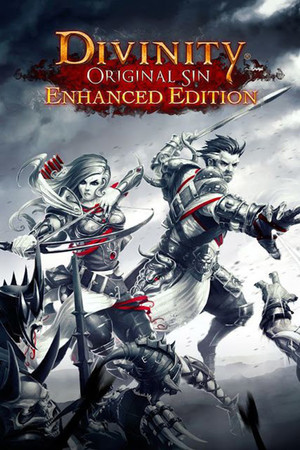
Divinity: Original Sin Enhanced Edition
Puddle first, lightning second: a tactics sandbox that hands you physics instead of quest markers. The combat is still elite. The unsignposted mid-game will absolutely lose you.
GamerScout Verdict
Best for tactics-first RPG players who solve fights with the environment and don't need a quest marker holding their hand.
Compare Prices(3 stores)
Every store in this table quotes us in euros, so the EUR figure is the price the seller actually set, not our arithmetic — which is why EUR is also the currency we rank in. We only list an offer here when the store gives us its price in euros, so nothing in this table is a number we invented.
Pick USD, PLN, GBP, CAD or AUD in the header and we convert from EUR at the European Central Bank reference rate — converted amounts are prefixed with ~. Your bank or the store may apply a different rate at checkout. We never hide offers based on where you are: everyone sees this whole table.
We may earn a commission when you buy games through links on this page — at no extra cost to you. It never affects our rankings or verdicts.
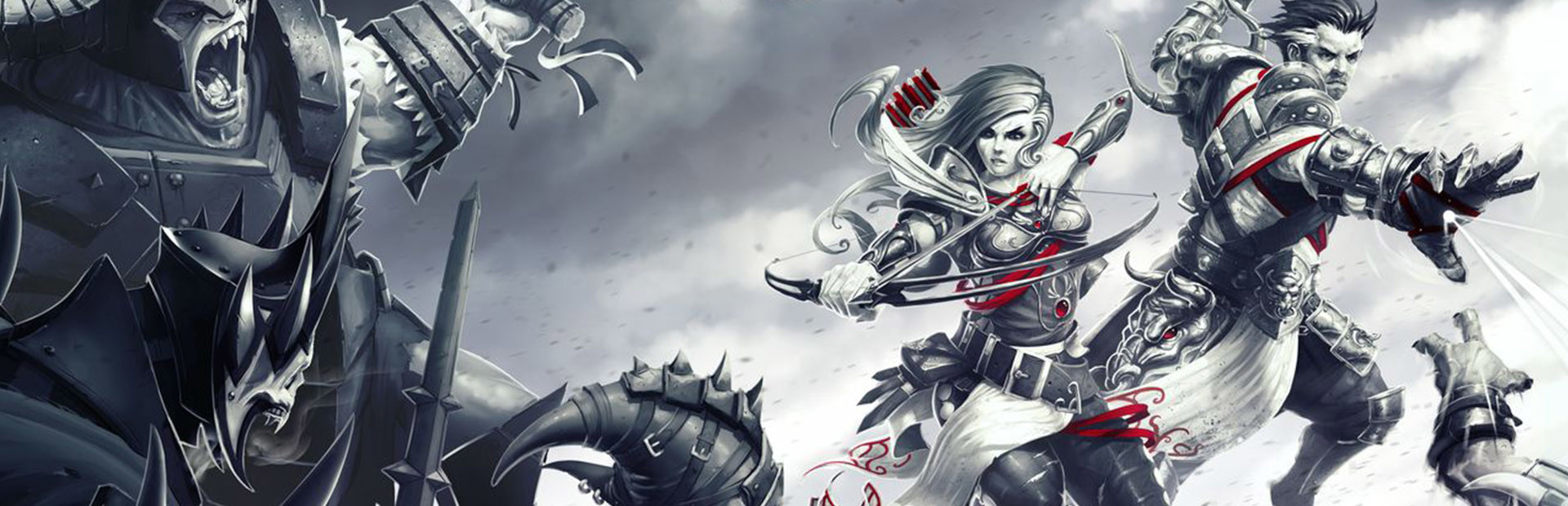
Screenshots & Media
About Divinity: Original Sin Enhanced Edition
The rain spell rewired how I play this game. Drop it on a cluster of enemies, watch the puddle spread across the flagstones, then land a lightning bolt in the middle of it and stun four things before any of them has taken a turn. Water conducts, fire turns puddles to steam, steam takes another shock, oil slicks go up the moment somebody sneezes a fireball. Once that clicks, and it clicks in the first hour, you stop reading enemy health bars and start reading the floor. Every fight in Divinity: Original Sin Enhanced Edition becomes a chemistry problem you are allowed to cheat at. You play a pair of Source Hunters sent to the coastal town of Cyseal to look into a murder, and the case unspools into something much larger involving Source magic, time, and a considerable amount of shouting at gods. The two-protagonist structure is the real hook. Your leads hold opinions, disagree with each other out loud, and settle those disagreements through a dialogue duel played as rock paper scissors. Win an argument and your character locks in a personality trait, Pragmatic against Romantic, Bold against Cautious, each carrying a small mechanical bonus. It is a smart way to make a party feel like people instead of stat blocks, and in co-op, where a second player controls the other Hunter, routine conversations turn into genuine negotiations. Combat is turn based on action points, and the build space is what holds up past hour 40. The starting classes are suggestions rather than cages. Nothing stops a wand-carrying warrior from picking up Teleportation, and Teleportation might be the most valuable skill in the game, because dropping an archer off a ledge or into your own oil puddle solves problems no damage number can. Crafting runs deep and rewards actually reading item text, the talent list quietly reshapes entire builds (Glass Cannon and Leech change how you approach a turn), and the Enhanced Edition adds full voice acting, reworked later-act dialogue, proper controller support, and split-screen co-op that genuinely works on a couch. Tactician and Honour modes are there for people who want enemies with extra abilities and exactly one save file standing between them and starting over. The mid-game is where it loses people, and I include myself on a first run. Act 2 opens into Luculla Forest and a set of regions that are large, level gated, and almost entirely unsignposted. The journal frequently restates what you already know instead of pointing anywhere, and the game expects you to recall a throwaway line from a bookshelf you read three hours ago. That was a deliberate design philosophy in 2015 and it still has defenders, but in practice you will either keep notes or keep a wiki open. The back half thins out too. The final stretch leans on long fights against damage sponges, the writing goes broad and jokey right when it should be tightening, and the resolution to the central mystery lands closer to a shrug than a gut punch. There is filler as well: encounters that exist because a room needed an encounter, and inventory management that gets grim once four characters are hoarding crafting reagents. So who is this for. Tactics people, first and above everything. If your favorite part of an RPG is the fifteen seconds you spend staring at a battlefield working out the order of operations, this is still one of the best sandboxes anyone has built, and both D:OS2 and Baldur's Gate 3 grew directly out of it. If you are here for the character writing of Larian's later work, adjust expectations downward: the companions are thin next to Sebille or Astarion, and the emotional register rarely goes past fond silliness. Bring a friend if you can. This is one of very few RPGs where co-op improves the story rather than flattening it, because arguing with an actual human about whether to spare the thief is precisely what that trait system was built to capture. Just budget patience for Act 2, and forgive it the dragon-shaped ambitions it does not quite land.

RPGs
Tags
System Requirements
Minimum
- Processor
- Intel Core2 Duo E6600 or equivalent
- Memory
- 2048 MB RAM
- Graphics
- DirectX 11 Compatible GPU
- DirectX
- Version 11
- Storage
- 100…
Recommended
- Processor
- Intel i5 2400 or higher
- Memory
- 4096 MB RAM
- Graphics
- NVIDIA® GeForce® GTX 550 or ATI™ Radeon™ HD 6XXX or higher DirectX…
Keep exploring
Community Discussion
Be the first to comment on Divinity: Original Sin Enhanced Edition.
Reviews & Ratings
Game Info
- Developer
- Larian Studios
- Publisher
- Larian Studios
- Release Date
- Oct 27, 2015