Blood of Mehran
Ancient Mesopotamia deserves better than this. Blood of Mehran has the bones of a revenge saga but fumbles nearly every system that should carry it.
GamerScout Verdict
Skip at full price - the Arabian Nights backdrop is wasted on a technically rough, narratively thin hack-and-slash that rarely rises above mediocre.
Compare Prices(8 stores)
Every store in this table quotes us in euros, so the EUR figure is the price the seller actually set, not our arithmetic — which is why EUR is also the currency we rank in. We only list an offer here when the store gives us its price in euros, so nothing in this table is a number we invented.
Pick USD, PLN, GBP, CAD or AUD in the header and we convert from EUR at the European Central Bank reference rate — converted amounts are prefixed with ~. Your bank or the store may apply a different rate at checkout. We never hide offers based on where you are: everyone sees this whole table.
We may earn a commission when you buy games through links on this page — at no extra cost to you. It never affects our rankings or verdicts.
Price History
Screenshots & Media
About Blood of Mehran
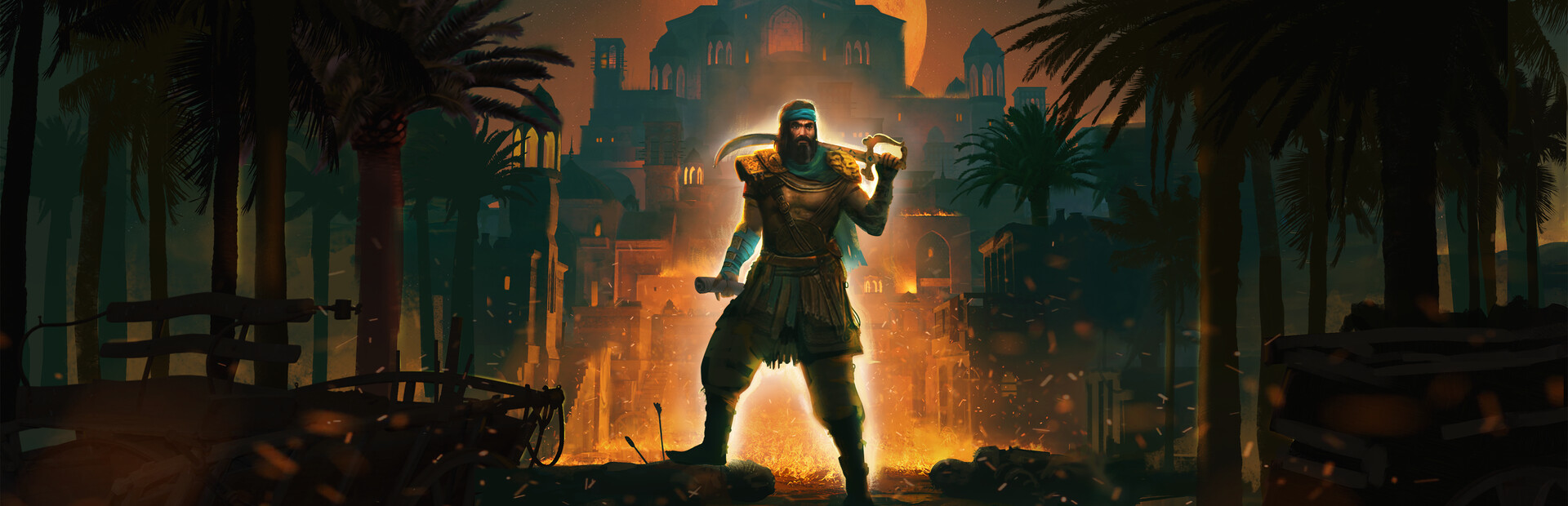
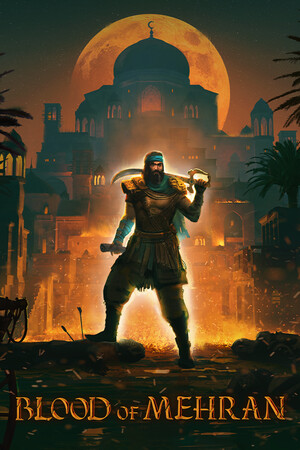
I went into Blood of Mehran genuinely hopeful. An indie action-RPG set in Ancient Mesopotamia, drawing on Arabian Nights folk tales, with a warrior-turned-farmer forced back to the blade by a cruel king? That premise has real weight. Forty minutes later I was watching framerate drops in the double digits and wondering if the story would ever find a voice as interesting as the setting it occupies. The short answer, after roughly six to eight hours of playtime depending on how thoroughly you comb side corridors: it does not. Mehran himself is a familiar archetype - the retired legend dragged back to war by tragedy - and the revenge plot wastes almost every opportunity the Mesopotamian backdrop offers. The world looks visually striking in stills: sand-washed ziggurats, sun-baked bazaars, detailed level geometry that occasionally impresses. But pop-in is constant, character animations are stiff, lip sync is off, and the beard on the protagonist has been reported to physically change shape mid-cutscene, which is either a bug or the most surreal piece of environmental storytelling in recent indie history. Voice acting is earnest but wildly uneven, and the writing leans on action-movie shorthand rather than doing anything meaningful with its source material. If you came hoping the Arabian Nights inspiration would surface in the narrative, critics who reviewed this on launch will tell you: it mostly does not show up. Combat runs on light attacks, heavy attacks, parries, and a chakra-style resource bar you fill by landing hits and spending to heal or trigger special moves. The weapon roster - single shamshir, double scimitars, sword-and-shield, and bow - each slots into a per-weapon skill tree you feed with essence dropped by enemies. The branching paths are modest: more combo damage on the aggressive side, tighter parry windows on the defensive side, and a handful of curiosities like a homing-arrow upgrade for the bow. In principle, this is a workable progression loop for a compact linear campaign. In practice, the feedback is nearly nonexistent. Hit boxes misbehave, enemies occasionally absorb swings that visually connect, and dodges trigger inconsistently mid-combo. Stealth exists and can work, but the stealth-kill prompt shares a button with the light attack, which means your "silent takedown" often turns into a loud brawl. Enemy AI is passive enough that stealth rarely feels necessary anyway, since standing in front of a guard and stabbing his friend frequently draws no response. The level design is corridor-linear, with short branches hiding collectibles or upgrade currency if you choose to search. Horse-riding sections move Mehran down the same chute at a faster speed. Boss encounters are the structural highlight, with longer health bars and guard mechanics that at least require you to read an attack pattern. The OpenCritic aggregate sits at 46 across fourteen critics, with only 14% recommending it, which tracks with what the gameplay actually delivers. A handful of reviewers noted the game is "playable" as mindless comfort-food hack-and-slash, and that is accurate, but playable and worth-buying are different thresholds. The Mesopotamian setting remains the most compelling thing here, and it is almost entirely wasted. Anyone who wants their action-RPGs to reward re-reads, branch meaningfully, or build a world worth caring about past hour two should look elsewhere without hesitation. If you are specifically starved for a short, undemanding hack-and-slash and the setting is genuinely appealing to you, wait for a significant discount first. At full price, the technical issues and shallow writing tip the balance firmly negative.

RPGs
Tags
System Requirements
Minimum
- OS
- Windows 7
- Memory
- 8 GB RAM
- DirectX
- Version 11
- Storage
- 36 GB available space
- Graphics
- Nvidia GeForce GTX 780 Ti (3 GB)/AMD Radeon R9 290 (4 GB)
- Processor
- Intel Core i5 6600/AMD Ryzen 5 3400G
Recommended
- OS
- Windows 10
- Memory
- 12 GB RAM
- DirectX
- Version 11
- Storage
- 36 GB available space
- Graphics
- NVIDIA GeForce RTX 2060 Super / AMD Radeon RX 5700
- Processor
- Core i5-8600 / AMD Ryzen 5 3600
Keep exploring
Community Discussion
Be the first to comment on Blood of Mehran.
Reviews & Ratings
No ratings available
Game Info
- Developer
- Permanent Way Game Co.
- Publisher
- Blowfish Studios
- Release Date
- Oct 6, 2025