A Trip to Yugoslavia: Director's Cut
A lo-fi FMV curiosity wrapped in a VHS aesthetic, built by one person, that somehow pulls off wartime dread in under two hours across ten possible endings.
GamerScout Verdict
Worth it for FMV curio-hunters and interactive fiction fans; skip if you need meaningful mechanics to stay engaged.
Compare Prices(2 stores)
Every store in this table quotes us in euros, so the EUR figure is the price the seller actually set, not our arithmetic — which is why EUR is also the currency we rank in. We only list an offer here when the store gives us its price in euros, so nothing in this table is a number we invented.
Pick USD, PLN, GBP, CAD or AUD in the header and we convert from EUR at the European Central Bank reference rate — converted amounts are prefixed with ~. Your bank or the store may apply a different rate at checkout. We never hide offers based on where you are: everyone sees this whole table.
We may earn a commission when you buy games through links on this page — at no extra cost to you. It never affects our rankings or verdicts.
Price History
Screenshots & Media
About A Trip to Yugoslavia: Director's Cut
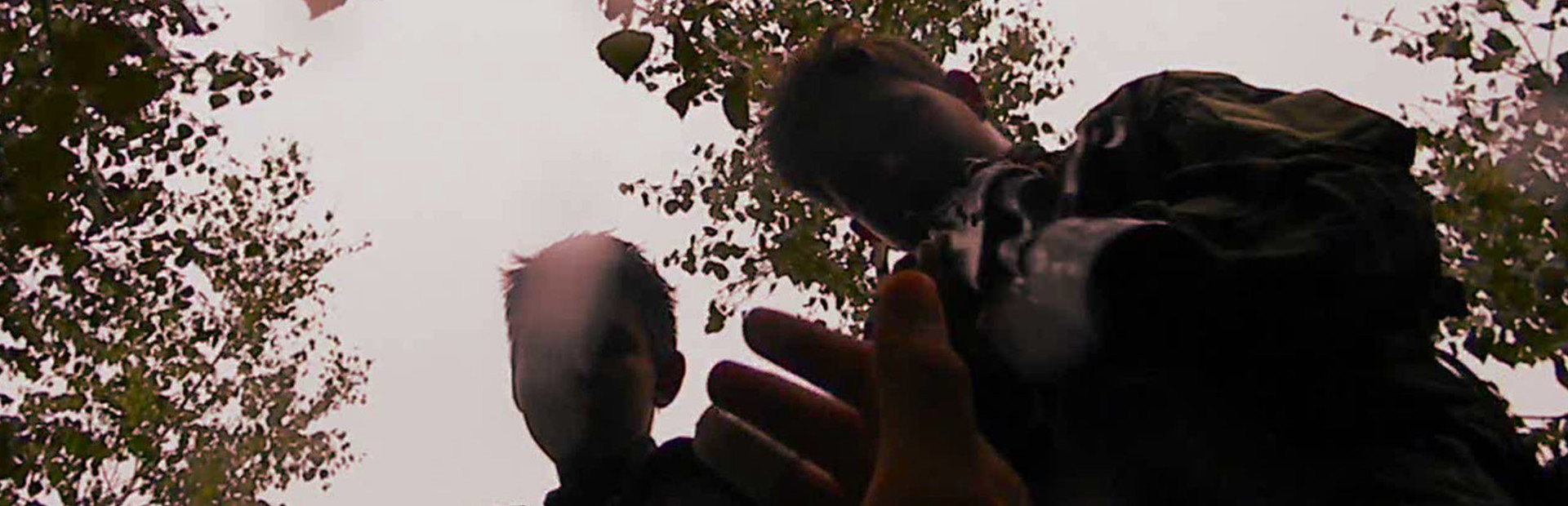
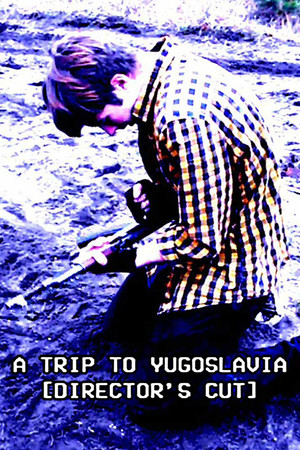
I have a soft spot for games that should not exist by any commercial logic, and this is absolutely one of them. Piotr Bunkowski shot real footage, draped it in a VCR interface complete with rewind, pause, and fast-forward controls, and shipped an interactive wartime drama that sits somewhere between a found-footage short film and a point-and-click adventure. You step into the role of Dimitri, an amateur photographer caught in a fictional, collapsing Yugoslavia, trying to survive months of war with zero combat training. The premise is bleak, the runtime is short, and the whole thing feels hand-stitched. The VCR conceit is the game's strongest idea. Scrubbing through footage, watching the tape grain flutter, and feeling like you are literally rewinding a discovered cassette gives the experience a texture that most FMV games skip entirely. The Director's Cut adds twelve additional minutes of footage and three extra endings on top of the original, bringing the total branch count to ten. Reaching all of them does not require a full restart each time, which is a small but thoughtful mercy. The point-and-click sections, where you click around real-world photographed environments to collect items or interact with objects, are where the game feels most alive. Checking your weapon, flicking the safety off, hiding evidence: those micro-interactions punch above their weight. Honesty demands I flag what does not work. The QuickTime events, arrow-key prompts that are supposed to create tension during dangerous moments, are effectively toothless. The timing window is forgiving to the point of irrelevance, and a persistent press will eventually clear any sequence regardless of rhythm. The acting in the FMV segments is divisive. Some players find it charming in a lo-fi, student-film way. Others find it pulls them out of the story. The VHS distortion effect is occasionally convincing and occasionally looks like a filter applied in post with a tight deadline. The linearity of moment-to-moment exploration also works against the sense of freedom the ten endings imply. Who is this actually for? People who enjoy FMV experiments, fans of short interactive fiction that commits to a specific mood rather than polished production values, and anyone who still feels something when they see VCR tracking noise on a screen. It is not for players who need reactive mechanics or branching systems with real teeth. Think of it less as a game to be beaten and more as a short film where you occasionally get to decide what the camera points at. The Steam community sits at roughly 82 percent positive across a few hundred reviews, which tells you the audience it found tends to appreciate exactly what it is.

Indie & narrative
Tags
System Requirements
Minimum
- OS
- Windows 7, 8, 10
- Memory
- 2 GB RAM
- DirectX
- Version 9.0
- Storage
- 1 GB available space
- Graphics
- ATI Radeon HD 4500
- Processor
- AMD Athlon II Dual-Core M320 2.10 GHz
- Sound Card
- Realtek High Definition Audio
Recommended
- OS
- Windows 7, 8, 10
- Memory
- 3 GB RAM
- DirectX
- Version 11
- Storage
- 1 GB available space
- Graphics
- AMD Radeon HD 6670
- Processor
- Intel Pentium G3420 3.20 GHz
- Sound Card
- Realtek High Definition Audio
Keep exploring
Community Discussion
Be the first to comment on A Trip to Yugoslavia: Director's Cut.
Reviews & Ratings
No ratings available
Game Info
- Developer
- Piotr Bunkowski
- Publisher
- Sometimes You
- Release Date
- Feb 22, 2017