
Legends of Eisenwald: Road to Iron Forest
Add-on / DLC for Legends of Eisenwald — view full gameA tiny add-on for Legends of Eisenwald owners, not a standalone purchase: one extra scenario for people who want more of that turn-based knight-errantry.
GamerScout Verdict
Only for Legends of Eisenwald owners who want one more campaign map; useless without the base game.
Compare Prices(3 stores)
Every store in this table quotes us in euros, so the EUR figure is the price the seller actually set, not our arithmetic — which is why EUR is also the currency we rank in. We only list an offer here when the store gives us its price in euros, so nothing in this table is a number we invented.
Pick USD, PLN, GBP, CAD or AUD in the header and we convert from EUR at the European Central Bank reference rate — converted amounts are prefixed with ~. Your bank or the store may apply a different rate at checkout. We never hide offers based on where you are: everyone sees this whole table.
We may earn a commission when you buy games through links on this page — at no extra cost to you. It never affects our rankings or verdicts.
Price History
Screenshots & Media
About Legends of Eisenwald: Road to Iron Forest
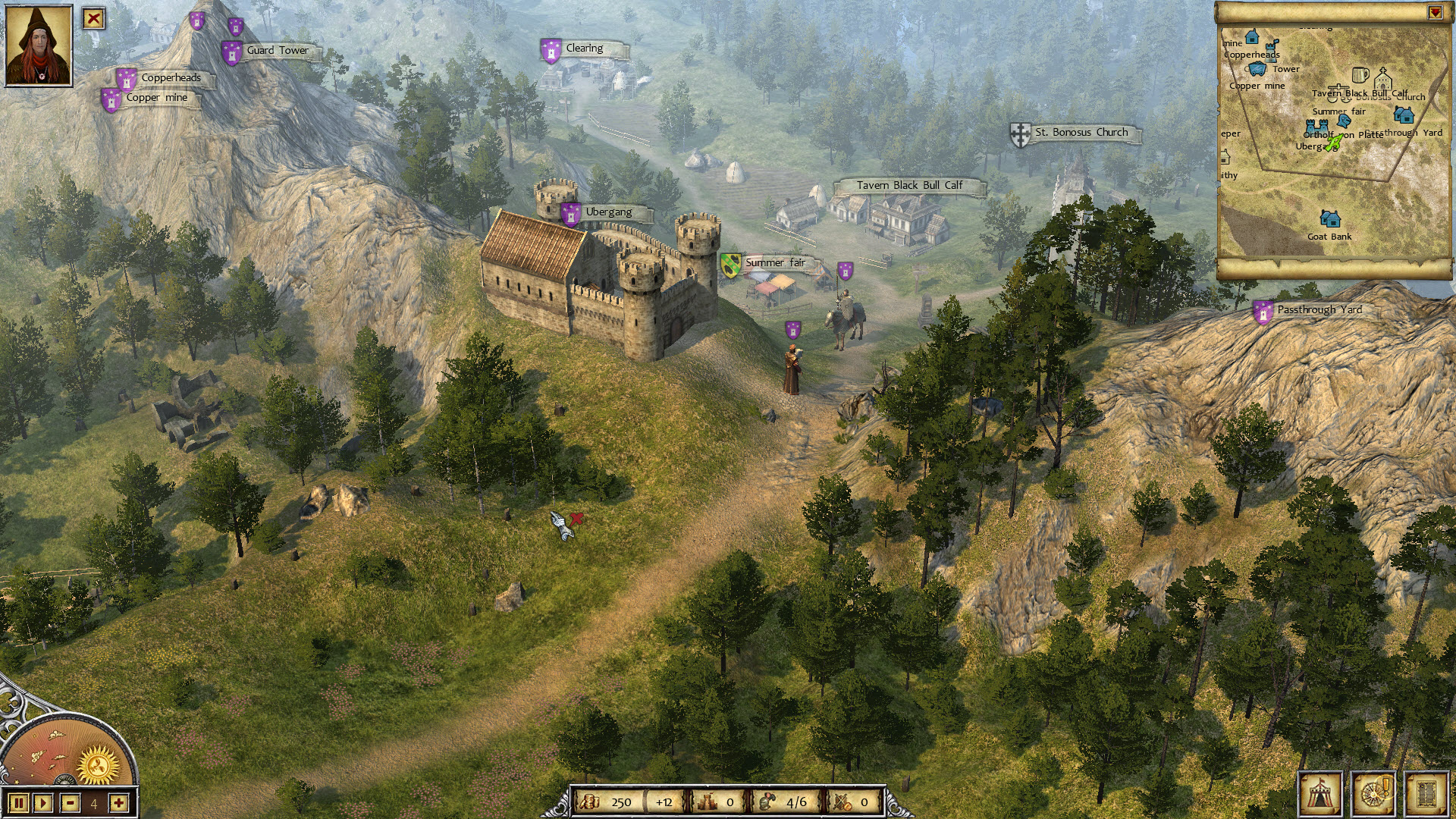
The pitch is simple and honest: one more Eisenwald scenario, bolted onto a game you already need to own. Road to Iron Forest will not launch without Legends of Eisenwald installed, so if you do not have the base game this does nothing for you at all. What it adds is a self-contained campaign map in the same mold as the main game, with the usual army recruitment, turn-based tactical skirmishes on the hex grid, and the medieval-fantasy quest chains Aterdux built the studio on. Steam's small sample skews positive, which tracks: the people buying an inline DLC for a 2015 indie strategy-RPG are already sold on the formula. Check the store listing for the exact quest and unit breakdown, because that varies. Completionists and anyone who wrapped the main campaign and wanted another excuse to drill a knight retinue should grab it. Everyone else, including anyone still deciding on the base game, can skip it entirely.

RPGs
Tags
System Requirements
Minimum
- OS
- х64: XP, Vista, 7, 8, 10
- Memory
- 4 GB RAM
- DirectX
- Version 9.0c
- Storage
- 2 GB available space
- Graphics
- 1024 MB graphics memory, shader model 3 (Radeon HD 6670, GeForce GT 630)
- Processor
- 2 GHz dual-core CPU
Recommended
- OS
- х64: XP, Vista, 7, 8, 10
- Memory
- 6 GB RAM
- DirectX
- Version 9.0c
- Storage
- 2 GB available space
- Graphics
- 1024 MB graphics memory, shader model 3 (NVIDIA GeForce GTX 560 / AMD Radeon HD 6950 or better)
- Processor
- 3 GHz quad-core CPU
Keep exploring
Community Discussion
Be the first to comment on Legends of Eisenwald: Road to Iron Forest.
Reviews & Ratings
Game Info
- Developer
- Aterdux Entertainment
- Publisher
- Aterdux Entertainment
- Release Date
- Jul 2, 2015

