Dread Delusion
If Morrowind and a fever-dream heavy metal album cover somehow had an indie child raised on PS1 horror, you'd get this. Worldbuilding first, combat a distant second - know that going in.
GamerScout Verdict
7/10Built for lore-hungry explorers who can forgive thin combat in exchange for one of indie RPG's most haunting settings.
Compare Prices(6 stores)
Every store in this table quotes us in euros, so the EUR figure is the price the seller actually set, not our arithmetic — which is why EUR is also the currency we rank in. We only list an offer here when the store gives us its price in euros, so nothing in this table is a number we invented.
Pick USD, PLN, GBP, CAD or AUD in the header and we convert from EUR at the European Central Bank reference rate — converted amounts are prefixed with ~. Your bank or the store may apply a different rate at checkout. We never hide offers based on where you are: everyone sees this whole table.
We may earn a commission when you buy games through links on this page — at no extra cost to you. It never affects our rankings or verdicts.
Price History
Screenshots & Media
About Dread Delusion
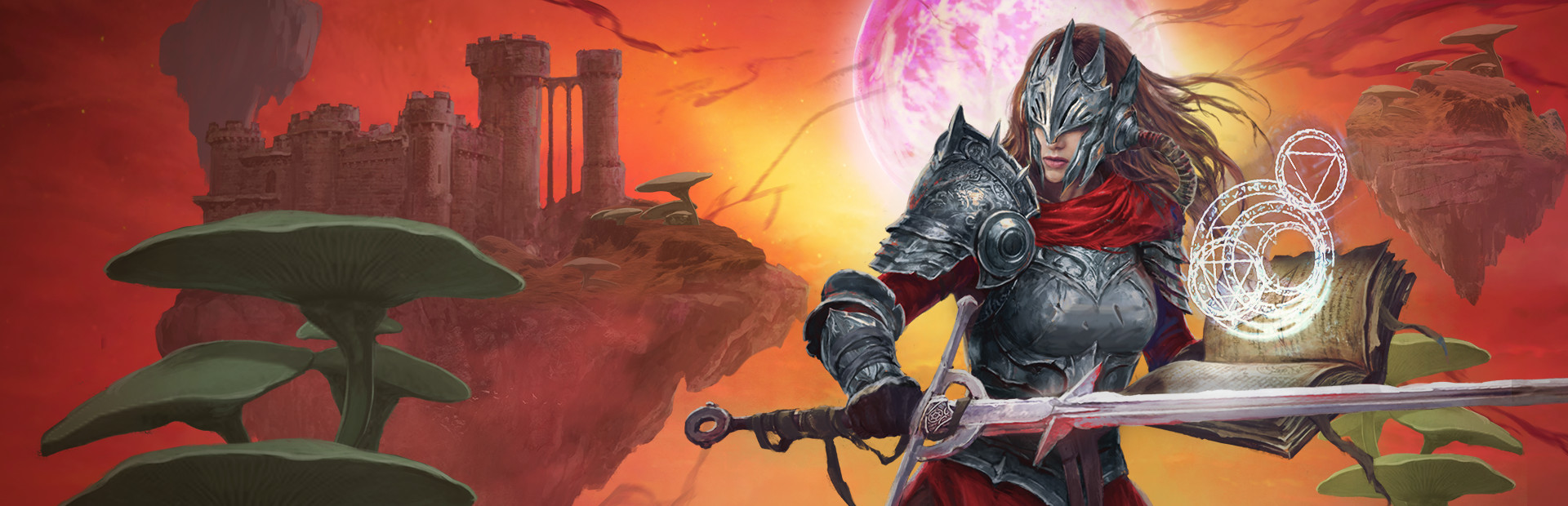
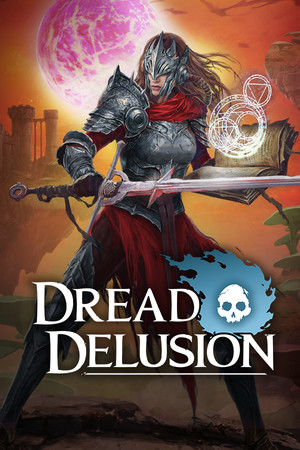
I went into Dread Delusion expecting a competent retro-RPG pastiche and came out genuinely rattled by how much the writing got under my skin. The premise hooks immediately: you are a prisoner of the Apostatic Union, a secular inquisition that outlawed all god worship after a catastrophic God War left the planet's surface a cursed wasteland. Humanity now clings to the Oneiric Isles, floating skyrealms drifting under a permanent blood-red sky, and the Union's grip on those islands is fraying badly. You are handed your freedom in exchange for hunting down a fugitive pirate named Vela Callose - and from the first conversation in Hallow Town, it is clear that every NPC you meet has a complicated relationship with her name. That sense of a world shaped by one person's absence is the game's narrative masterstroke, and it reminded me more of Disco Elysium's dead-man-who-haunts-everything structure than any Elder Scrolls title. The four regions you cross to track down Vela's former crew are each genuinely distinct. Hallowshire is plagued farmland with Wikkan god-worshippers hiding in plain sight. The Clockwork Kingdom is a frigid mechanical wasteland ruled by a malfunctioning robotic king who condemns citizens to a void and scrubs their memories. The Endless Realm is populated by people cursed to rot without dying, all desperate to reclaim mortality. Each of these settings asks real moral questions with no clean answers, and the faction choices you face - whether to back the Union's grim order, collaborate with hidden gods, or chase something stranger entirely - carry genuine weight. No quest marker will hold your hand here; you read dialogue, take notes, consult your journal, and figure it out. For lore-goblins, that process is half the pleasure. The RPG skeleton is deliberately lean. Character creation runs you through a background questionnaire that distributes starting bonuses across four stats: Might, Guile, Wisdom, and Persona. Rather than earning XP, you level up by collecting Delusion skull fragments hidden throughout the world - find three, spend them to raise one attribute point. High Wisdom unlocks mana and magical puzzle interactions; high Persona opens charm options and better shop prices; Guile handles lockpicking and movement speed; Might lets you smash through doors that others would have to pick. The multi-path approach to obstacles is smart on paper - most quests can be resolved through lockpicking, lore skill-checks, charming NPCs, alchemy, or brute force - and early on, when your build still has gaps, those choices feel meaningful. The problem is that the stat economy is generous enough that by the late game most players become a jack-of-all-trades, which flattens the replay incentive considerably. Build variety is real in hours one through ten. After that, it softens. Combat is the honest weak point, and I will not pretend otherwise. It is a simple swing-and-step-back loop with a block-and-parry system you rarely need. Enemy variety is thin, there are no standout boss encounters, and the AI occasionally forgets you exist. A harder mode was patched in post-launch, which helps, but on default difficulty combat functions more as an occasional tax on exploration than a system worth engaging with. The single autosave structure also deserves a mention: there is no manual save, which makes experimenting with choice branches a real commitment. The airship you earn late in the game is a genuine delight, but by that point the combat repetition is already showing its seams. What rescues Dread Delusion from those frustrations is that the writing and world density do the heavy lifting. Vela Callose is one of the more fascinating antagonists I have encountered in an indie RPG - a figure known only through rumour, grudge, and mythology, whose gravitational pull on the narrative never fades. The questlines in the Clockwork Kingdom alone - asking pointed questions about automation, personhood, and institutional decay - are better than most big-budget RPGs manage in an entire script. The lo-fi PS1 aesthetic, wobbly polygons and all, is entirely intentional and mostly earns its place; you can dial the texture warping and screen distortion down in settings if your stomach requires it. Steam users sitting above 87% positive across thousands of reviews suggests the audience that clicks with this game clicks hard. I am in that audience. Just go in knowing you are buying a narrative exploration game with RPG scaffolding, not a combat-driven action RPG.

RPGs
Tags
System Requirements
Minimum
- OS
- Windows 7 SP1+
- Processor
- Intel Core i3-2100 | AMD Phenom II X4 965
- Memory
- 4 GB RAM
- Graphics
- Nvidia GeForce GTS 450, 1 GB | AMD
- DirectX
- Version 10
- Storage
- 500 MB available space
Keep exploring
Community Discussion
Be the first to comment on Dread Delusion.
Reviews & Ratings
Game Info
- Developer
- Lovely Hellplace
- Publisher
- DreadXP
- Release Date
- May 14, 2024