8-Bit Hordes
If Warcraft 1 and Command & Conquer had a budget spin-off with voxel art and zero lore ambition, this is it. A perfectly serviceable gateway RTS for newcomers, and a 20-minute skirmish fix for veterans who want something low-stakes.
GamerScout Verdict
Best for RTS newcomers wanting a friction-free fantasy base-builder; veterans will exhaust the strategic depth inside an afternoon.
Compare Prices(6 stores)
Every store in this table quotes us in euros, so the EUR figure is the price the seller actually set, not our arithmetic — which is why EUR is also the currency we rank in. We only list an offer here when the store gives us its price in euros, so nothing in this table is a number we invented.
Pick USD, PLN, GBP, CAD or AUD in the header and we convert from EUR at the European Central Bank reference rate — converted amounts are prefixed with ~. Your bank or the store may apply a different rate at checkout. We never hide offers based on where you are: everyone sees this whole table.
We may earn a commission when you buy games through links on this page — at no extra cost to you. It never affects our rankings or verdicts.
Price History
Screenshots & Media
About 8-Bit Hordes
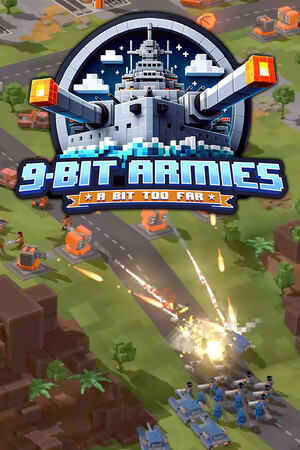
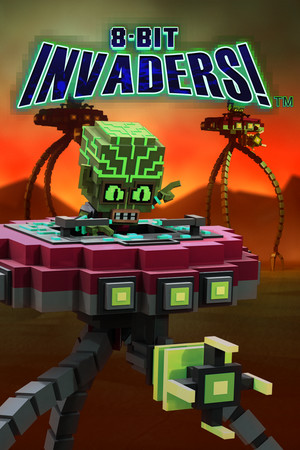
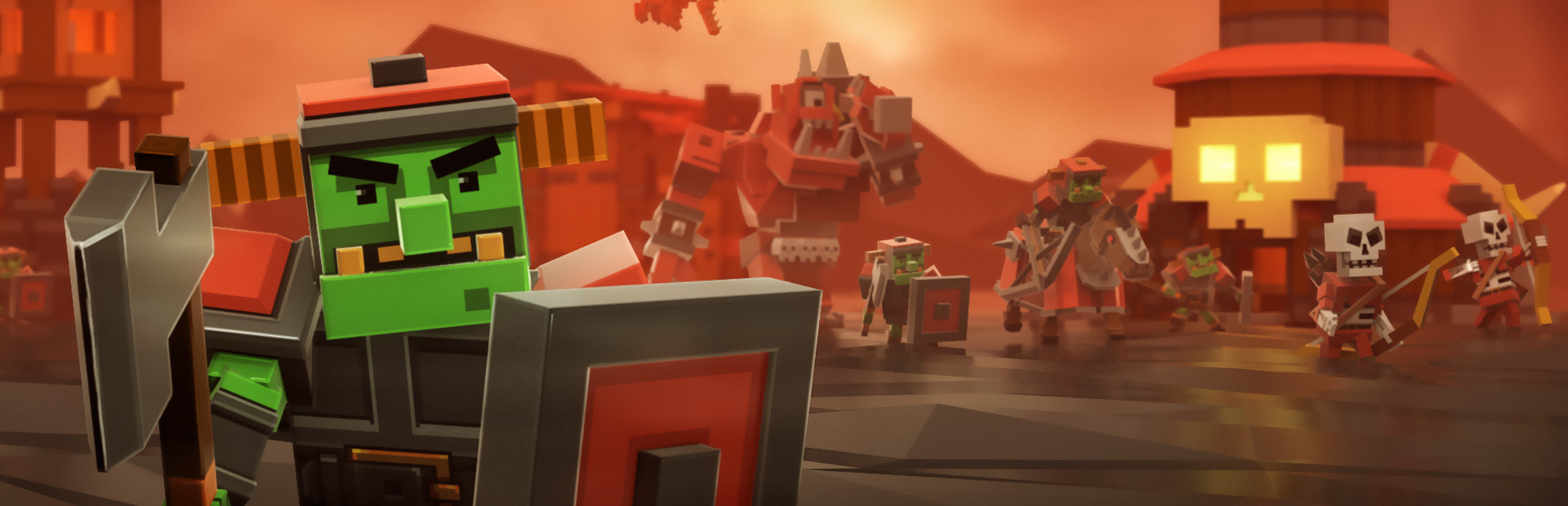
I've spent enough time with grand-strategy titles that demand 300-page wikis just to understand the economy screen, so sometimes a stripped-down RTS with one resource, two factions, and a clear win condition is exactly the reset I need. 8-Bit Hordes sits firmly in that lane: a fantasy base-builder that traces its DNA straight back to early Warcraft and the original Command & Conquer, built by Petroglyph, a studio staffed by ex-Westwood developers who clearly understand what made those classics tick. The structure is pure 90s orthodoxy. You pick either the Lightbringers (humans, dwarves, elves) or the Deathsworn (orcs and undead), plant a headquarters, chain-build barracks and farms outward across the map, and grind out units until your opponent's base collapses. There is one gold-equivalent resource to track, building placement is proximity-locked to your existing structures, and you queue one unit per building at a time. Duplicate barracks speed up production, which means the core loop is essentially: how fast can you saturate a map with the right unit composition before your opponent does the same. Type matchups matter more than the tutorial implies. Sending pikemen into a cavalry rush or neglecting ranged units against tower-defended chokepoints will cost you missions, especially once the Deathsworn campaign's difficulty spikes hard around stage three. The single-player content is substantial: 24 campaign missions split across both factions, 12 co-op missions, a skirmish mode against AI on shared maps, and PvP multiplayer on dedicated servers. The cross-game multiplayer is a genuinely clever feature, letting you field your Hordes faction against players running 8-Bit Armies or 8-Bit Invaders factions on shared maps, regardless of which game you own. Now for the honest accounting. The AI is the title's softest spot. Early campaign missions are trivially passive, and the pathfinding has documented issues where freshly spawned units take suicidal shortcuts through uncleared enemy territory instead of following your main force. The story is functionally non-existent: a paragraph of context per mission, nothing more. Veteran RTS players will identify the dominant strategy (mass-produce your two strongest unit types and push) within an hour, and the game offers very little mechanical friction to dissuade that approach. The soundtrack, composed by Frank Klepacki of C&C fame, is charming and appropriately retro, but audio feedback for unit commands is nearly absent, which feels like an oversight in a genre where audio cues matter. For newcomers to real-time strategy, though, this is actually a thoughtful entry point. The single-resource economy removes one axis of complexity entirely. The build-order logic is shallow enough that a first-timer can intuit it without external guides. Mission objectives are clear, difficulty settings are present on every level, and per-mission bonus challenges (time limits, total-destruction goals) give completionists something to chase. Anyone who found StarCraft II's macro demands punishing or felt lost in Age of Empires' tech trees will find 8-Bit Hordes approachable without feeling patronised. Steam users have backed that up with a solid positive rating across several hundred reviews. The voxel art style, colorful and fully destructible, makes map-wide battles readable even when things get chaotic. The ceiling is low and the floor is generous. That is the product Petroglyph built, and within those self-imposed limits it mostly delivers. Treat it as a weekend palette cleanser between heavier strategy titles, or as a legitimate first RTS for someone who has never managed a build queue in their life, and it earns its shelf space.

Strategy & simulation
Tags
System Requirements
Minimum
- OS
- Windows Vista SP2
- Memory
- 4 GB RAM
- DirectX
- Version 11
- Storage
- 2 GB available space
- Graphics
- Nvidia Geforce GTS 250 or ATI Radeon HD 3870
- Processor
- 2.6 GHz Dual Core Processor
Recommended
- OS
- Windows 7
- Memory
- 6 GB RAM
- DirectX
- Version 11
- Storage
- 2 GB available space
- Graphics
- Nvidia GeForce 550 Ti or AMD Radeon HD 6800 Series
- Processor
- 2.6 GHz+ Quad Core Processor
Keep exploring
Community Discussion
Be the first to comment on 8-Bit Hordes.
Reviews & Ratings
No ratings available
Game Info
- Developer
- Petroglyph
- Publisher
- Petroglyph
- Release Date
- Aug 12, 2016