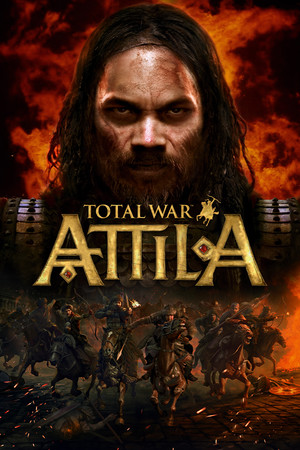
Total War: ATTILA
Survive the apocalypse or cause it: Attila puts you in the most pressure-cooked campaign scenario in Total War history, where mismanaging your food supply is as lethal as a Hunnic cavalry charge.
GamerScout Verdict
8/10Best for strategy veterans who want systemic pressure and Dark Ages atmosphere; newcomers should start with the Prologue and a smaller faction.
Compare Prices(7 stores)
Every store in this table quotes us in euros, so the EUR figure is the price the seller actually set, not our arithmetic — which is why EUR is also the currency we rank in. We only list an offer here when the store gives us its price in euros, so nothing in this table is a number we invented.
Pick USD, PLN, GBP, CAD or AUD in the header and we convert from EUR at the European Central Bank reference rate — converted amounts are prefixed with ~. Your bank or the store may apply a different rate at checkout. We never hide offers based on where you are: everyone sees this whole table.
We may earn a commission when you buy games through links on this page — at no extra cost to you. It never affects our rankings or verdicts.
Price History
Screenshots & Media
About Total War: ATTILA
I've clocked more hours in grand-strategy games than I care to admit, and Attila still sits near the top of the pile for sheer systemic pressure. This is Creative Assembly's 395 AD scenario, and the map reads like a thesis on civilizational collapse: a divided Roman Empire hemorrhaging legitimacy, climate-driven fertility decline pushing nomadic tribes southward, and Attila's Huns operating as a roving apocalypse engine. From the first turn, the resource math is punishing. Provinces track a fertility meter that determines food yield, and as northern regions freeze over across the campaign, your building strategy has to pivot constantly between sanitation, public order, and grain output. Get that balance wrong and your empire starves before any barbarian army reaches the gates. The two-layer design, turn-based campaign map feeding into real-time tactical battles, is Total War's proven formula. What Attila adds on top is considerable. The Horde mechanic is the headline: nomadic factions like the Huns do not build cities. Instead, their armies become mobile settlements that switch between encamped, raiding, and migrating modes, recruiting troops in hostile territory while managing internal stability. A Horde that loses cohesion splinters into rebellions, so you are always balancing aggression against organizational rot. Playing as a settled faction against an incoming Horde is a genuinely different experience, closer to a survival scenario than a standard conquest campaign. The family tree system, lifted and expanded from the Crusader Kings school of thinking, layers political intrigue onto all of this: managing governors, arranging marriages, positioning rivals into bad appointments. These systems interact in ways that keep the mid-campaign interesting long after your border is secured. The AI received meaningful attention compared to the Rome II launch. Enemy armies coordinate larger stacks, diplomatic actors sue for peace and negotiate trade, and allied factions will actually field armies to defend each other's settlements. Agent spam is a documented frustration at higher difficulties, where the AI can pin your armies in place with a relentless stream of saboteurs, but that friction reads more like a design quirk than a fundamental failure. On the battlefield, missile-heavy and cavalry-heavy compositions remain dominant, and the unit roster is thinner than Rome II veterans will expect. The faction count is deliberately focused, which divides opinions: it sharpens the scenario but limits replay variety before DLC. Here is the case for newcomers, because it is genuinely worth making. Attila ships with a Prologue campaign that walks you through the core systems at a measured pace, and context-sensitive help stays active throughout the early main campaign. The game even flags unfinished tasks before you end your turn, which is a more graceful onboarding than Total War has historically managed. Yes, the full campaign is punishing, and yes, the late-game end-of-turn processing slows down on older hardware. But the Prologue path, followed by a first run as a mid-tier barbarian faction rather than the Western Roman Empire, is a legitimate entry point. Stability complaints are real and hardware-dependent, so check your specs against the minimum requirements before purchasing. The mod ecosystem is active, with overhaul mods and total-conversion projects extending the game's lifespan well beyond the base campaign.

Strategy & simulation
Tags
System Requirements
Minimum
- Processor
- Intel Core 2 Duo 3 GHz
- Memory
- 3 GB RAM
- Graphics
- 512 MB NVIDIA GeForce 8800 GT, AMD Radeon HD 2900 XT or Intel HD 4000
- DirectX
- Version 10
- Storage
- 35 GB available space
Recommended
- Processor
- 2nd Generation Intel Core i5
- Memory
- 4 GB RAM
- Graphics
- 2 GB NVIDIA GeForce GTX 560 Ti or AMD Radeon HD 5870
- DirectX
- Version 11
- Storage
- 35 GB available space Additional N…
DLC & Add-ons for Total War: ATTILA9
Expansions, DLC packs and add-on content for this game. Click any item to see store offers.
Keep exploring
Community Discussion
Be the first to comment on Total War: ATTILA.
Reviews & Ratings
Game Info
- Developer
- CREATIVE ASSEMBLY
- Publisher
- SEGA
- Release Date
- Feb 17, 2015