Rhapsody II: Ballad of the Little Princess
A cult PS1 sequel that waited twenty-five years to reach Western players, Rhapsody II earns its localization with genuine charm, a musical heart, and a combat overhaul that actually works. Come for the singing princess, stay for the unhinged villain family.
GamerScout Verdict
Worth it for JRPG fans who love charm over complexity, but play the original Rhapsody first or half the magic is lost.
Compare Prices(4 stores)
Every store in this table quotes us in euros, so the EUR figure is the price the seller actually set, not our arithmetic — which is why EUR is also the currency we rank in. We only list an offer here when the store gives us its price in euros, so nothing in this table is a number we invented.
Pick USD, PLN, GBP, CAD or AUD in the header and we convert from EUR at the European Central Bank reference rate — converted amounts are prefixed with ~. Your bank or the store may apply a different rate at checkout. We never hide offers based on where you are: everyone sees this whole table.
We may earn a commission when you buy games through links on this page — at no extra cost to you. It never affects our rankings or verdicts.
Price History
Screenshots & Media
About Rhapsody II: Ballad of the Little Princess
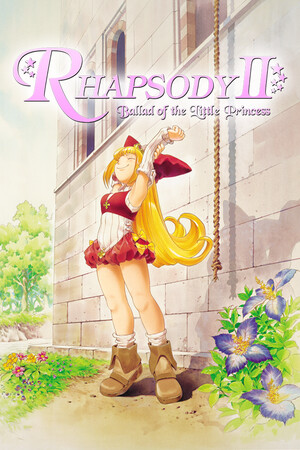
I went into Rhapsody II: Ballad of the Little Princess half expecting a museum piece, one of those Japan-only curios that gets localized and immediately reminds you why it stayed regional. What I found instead was a surprisingly tight, warm-hearted JRPG that improves on its predecessor in almost every mechanical dimension, while leaning even harder into the gleeful absurdity that made the original Rhapsody a cult classic. The original ran on a tactical grid system so shallow it barely qualified as combat. Here, Nippon Ichi ditched the grid entirely in favor of traditional turn-based fights closer in spirit to early Final Fantasy, and the result is a battle layer that finally gives the writing room to breathe instead of constantly apologizing for itself. The cast is the main event. Princess Kururu, daughter of Cornet from the first game, is equal parts reckless and earnest, a tomboy heir who would rather sneak out of the castle and chase her own love story than sit through etiquette lessons. Her best friend Crea anchors the emotional beats, while the supporting roster fills out quickly with party members who each carry real personality. Sonia, the kingdom's first female knight, gets a storyline about fighting institutional sexism that lands more thoughtfully than you might expect from a game also featuring pancake-based special attacks. The Marjoly family, returning antagonists who have now allied with Kururu against a new enemy faction, steal every scene they appear in. The humor is broad and unapologetically theatrical, the kind of writing where you read an NPC's idle dialogue and find a legitimately good joke waiting there. On the mechanical side, the puppet system is where the build tinkering happens. Kururu and Crea can each equip up to three puppets, and those puppets level up during combat, add passive stat bonuses to their carrier, and each bring their own spells to the table. Casting costs currency rather than MP, so there is a genuine shared-resource tension between keeping your puppet-spell income available and equipping better gear at shops. Kururu's Reward system, which fills a musical staff bar as you cast puppet magic and eventually unlocks special attacks including the infamous giant pancake, adds a light rhythm to battle pacing that keeps fights from becoming pure menu slog. The encounter rate is genuinely high by modern standards, and the dungeon layouts are repetitive enough that a player used to BG3's handcrafted environments will notice the copy-pasted corridors. Completionists should also know that missable puppets and area-locked content create real pressure to talk to every NPC in each chapter before moving on, and the game does not warn you loudly when you are about to lock yourself out. The musical sequences are a core part of the identity here. Fully choreographed song-and-dance numbers advance the plot at key moments, overproduced in the best possible way, complete with a dozen background maids suddenly appearing to celebrate a new party member. One significant caveat: the original Rhapsody had English-dubbed songs, but here the musical segments are in Japanese with English subtitles only, regardless of your voice language setting. Longtime fans may find that jarring. The non-musical score is handled by Tenpei Sato, best known for the Disgaea series, and it carries the whole production with bubbly, propulsive dungeon themes and a final boss track that genuinely earns its climactic weight. For newcomers with no history with the series, Rhapsody II is accessible but rewards prior knowledge heavily. Many characters are callbacks, and a lot of the story resonance depends on caring about Cornet's arc from the first game. It is not a long adventure by RPG standards, so the investment to play the original first is genuinely worth it. For fans who have been waiting since the late nineties to see this localized, the wait was not wasted. This is a charming, occasionally frustrating, consistently entertaining antique that knows exactly what it wants to be.

RPGs
Tags
System Requirements
Minimum
- OS
- Windows 10
- Memory
- 2 GB RAM
- DirectX
- Version 11
- Storage
- 2 GB available space
- Graphics
- Radeon HD 5450
- Processor
- Intel Core2 Quad Q9300 2.5 GHz
Recommended
- OS
- Windows 10/11
- Memory
- 4 GB RAM
- DirectX
- Version 11
- Storage
- 2 GB available space
- Graphics
- Geforce GT 640, Radeon HD 6450
- Processor
- Intel Core i5-4670K
Keep exploring
Community Discussion
Be the first to comment on Rhapsody II: Ballad of the Little Princess.
Reviews & Ratings
No ratings available
Game Info
- Developer
- Nippon Ichi Software, Inc.
- Publisher
- NIS America, Inc.
- Release Date
- Aug 29, 2023