Phantom Brave: The Lost Hero
A gridless SRPG with 20 years of backlog finally catching up to it: the Confine system still hits different, but newcomers should brace for a system-dump the tutorial barely prepares you for.
GamerScout Verdict
Best for Disgaea veterans and tactics players who can push past a rough tutorial to reach one of the more creative SRPG combat systems available on PC.
Compare Prices(5 stores)
Every store in this table quotes us in euros, so the EUR figure is the price the seller actually set, not our arithmetic — which is why EUR is also the currency we rank in. We only list an offer here when the store gives us its price in euros, so nothing in this table is a number we invented.
Pick USD, PLN, GBP, CAD or AUD in the header and we convert from EUR at the European Central Bank reference rate — converted amounts are prefixed with ~. Your bank or the store may apply a different rate at checkout. We never hide offers based on where you are: everyone sees this whole table.
We may earn a commission when you buy games through links on this page — at no extra cost to you. It never affects our rankings or verdicts.
Price History
Screenshots & Media
About Phantom Brave: The Lost Hero
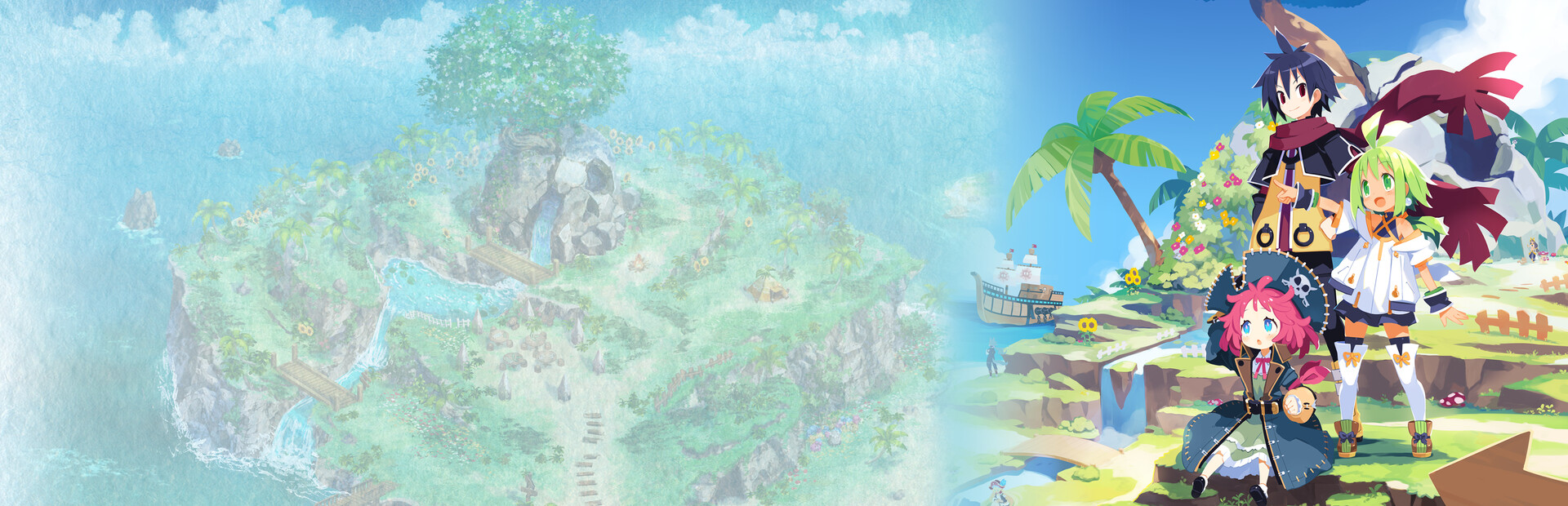
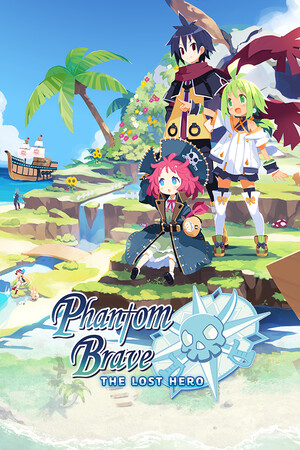
I track unit turn orders the way some people track stock tickers, so a tactics game that scraps the grid entirely and hands me a circular movement radius instead of AP squares immediately gets my attention. Phantom Brave: The Lost Hero is that game, and after spending serious time with its layered combat, I can tell you the mechanical foundation is genuinely strong, even if the packaging around it has real rough edges. The beating heart of everything is the Confine system. Each battle opens with only Marona on the field, and she spends her early turns binding her Phantom allies into objects scattered across the map: rocks, trees, weapons, flowerpots, whatever is lying around. Confine a unit into a rock and you get a defense-heavy bruiser who moves like a glacier; bind the same unit to a weapon and the attack numbers pop. The catch is that each Phantom runs on a turn timer and gets ejected from the field when it expires, and if they are incapacitated before that happens, that slot is burned for the rest of the map. That single wrinkle forces you to think about sequencing, positioning, and resource allocation simultaneously, which is exactly the kind of layered decision-making I look for in a tactics game. Two new mechanics expand the system further. Confire lets Phantoms possess Gadgets, heavy machines deployed by Apricot that swing slowly but hit like a freight train. Confriend lets Marona fully fuse with a bonded Phantom, and at max bond level that fused unit acts five consecutive turns in a row. Building toward a Confriend wombo-combo through battle reps and base conversations is the game's best feedback loop. The roster depth is real. Over 50 unit types run from archers and mages to anglers who fish for loot between maps and shopkeepers who literally open a shop on your hub island. Post-game runs level caps past 1000 in classic Nippon Ichi fashion, custom dungeons are randomised, titles can be applied to characters and dungeons to warp stats in interesting ways, and the reincarnation system lets you cash in a maxed unit for inherited stat bonuses on a fresh one. If you have ever poured 200 hours into Disgaea hunting optimal item inheritance chains, this post-game loop will feel immediately familiar and immediately comfortable. The difference is that the gridless movement makes every individual fight feel less chess-like and more kinetic, rewarding positional creativity rather than pure number-matching. There are genuine problems to flag. The tutorial undersells the system complexity badly: reviewers have noted that the official website explains the combat better than the in-game prompts do. The PC version launched with physics bugs, occasional crashes, and AI glitches that still needed patching. The story is the lightest part of the package, a breezy pirate adventure with likeable new companions like sarcastic wolf first-mate Rouen and the permanently-overwhelmed Apricot, but not much dramatic weight until the back half. The shift from sprite art to chibi 3D models pleases some and disappoints others, and the voice line repetition in the hub gets grating faster than it should. There is also a DLC structure that drew community backlash at launch for content that looked suspiciously ready-to-ship from day one. Go in eyes open on that front. For newcomers to NIS tactics games, the accessibility options and forgiving early-chapter damage numbers mean this is actually a reasonable entry point if you are willing to sit through a slow mechanical ramp. The gridless movement removes the grid-reading barrier that stops a lot of players cold in Disgaea, and the Confine hook is intuitive enough to grasp in a single map. I would still recommend playing at least a few hours of the original Phantom Brave first, if only to appreciate what changed, but it is not a hard requirement. What you are signing up for is a 60-plus-hour commitment where the first 15 hours are preamble and the last 40 are the actual game.

Strategy & simulation
Tags
System Requirements
Minimum
- OS
- Windows 10/11
- Memory
- 4 GB RAM
- DirectX
- Version 11
- Storage
- 6 GB available space
- Graphics
- NVIDIA GeForce GT 1030
- Processor
- Intel Core i3-10100
Recommended
- OS
- Windows 10/11
- Memory
- 8 GB RAM
- DirectX
- Version 11
- Storage
- 6 GB available space
- Graphics
- NVIDIA GeForce GTX 1650
- Processor
- Intel Core i5-12400
Keep exploring
Community Discussion
Be the first to comment on Phantom Brave: The Lost Hero.
Reviews & Ratings
No ratings available
Game Info
- Developer
- Nippon Ichi Software, Inc.
- Publisher
- NIS America, Inc.
- Release Date
- Apr 24, 2025