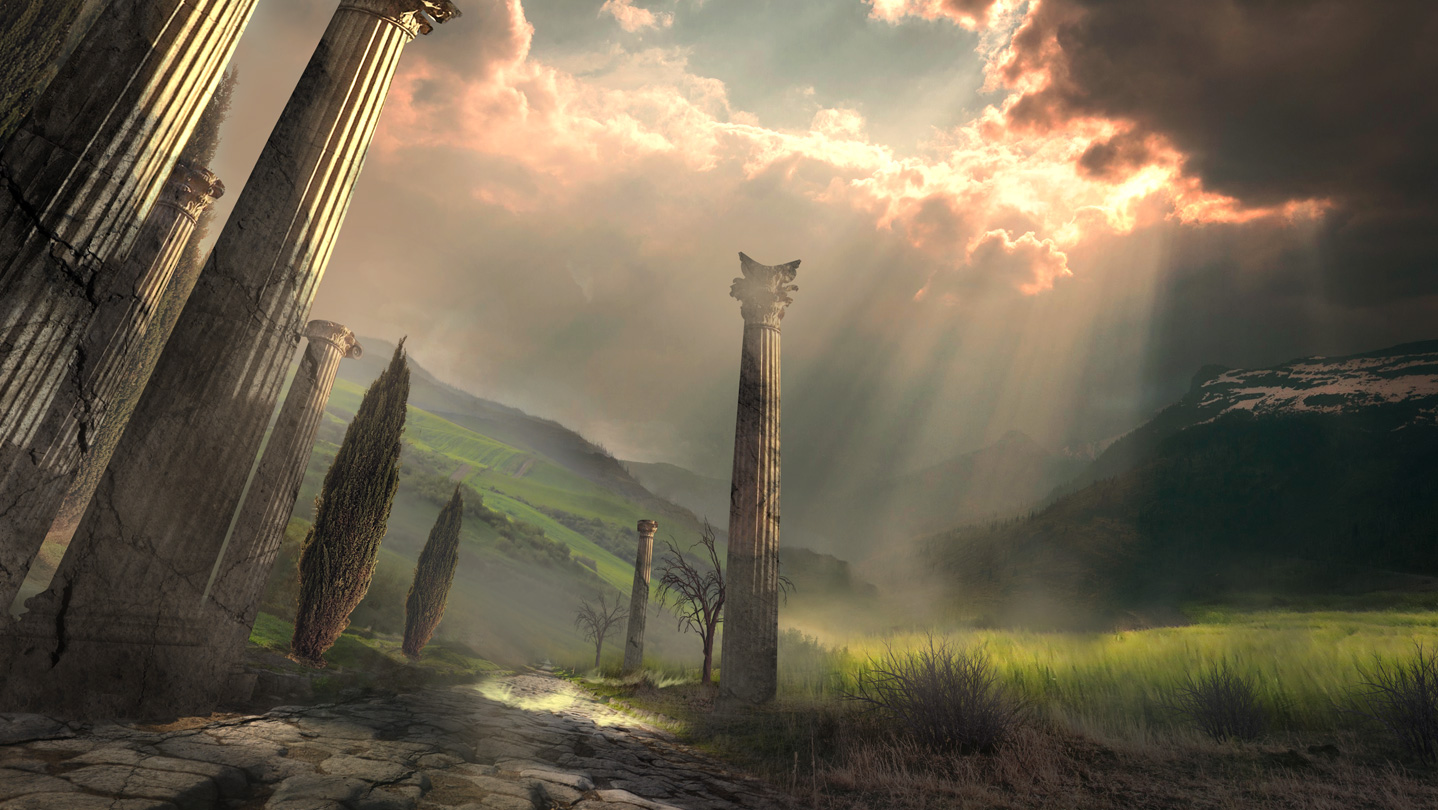
Field of Glory: Empires
A deep grand-strategy game of ancient empire-building where culture, legions, and overextension all bite back. Rome was not built in a day, and neither is a winning campaign here.
GamerScout Verdict
Best for grand-strategy veterans who want ancient-world empire management with real consequences for overexpansion.
Compare Prices(9 stores)
Every store in this table quotes us in euros, so the EUR figure is the price the seller actually set, not our arithmetic — which is why EUR is also the currency we rank in. We only list an offer here when the store gives us its price in euros, so nothing in this table is a number we invented.
Pick USD, PLN, GBP, CAD or AUD in the header and we convert from EUR at the European Central Bank reference rate — converted amounts are prefixed with ~. Your bank or the store may apply a different rate at checkout. We never hide offers based on where you are: everyone sees this whole table.
We may earn a commission when you buy games through links on this page — at no extra cost to you. It never affects our rankings or verdicts.
Price History
Screenshots & Media
About Field of Glory: Empires
Field of Glory: Empires is a turn-based grand strategy set in the ancient world, roughly spanning the era from 300 BC to the fall of the Western Roman Empire. You pick a faction, from mighty Rome or the Seleucid Empire down to scrappy tribal confederacies, and you manage armies, provinces, trade, and the slow burn of cultural assimilation. Think of it as a spreadsheet made playable: every province has unrest, loyalty, and development stats, every army has a composition that matters, and every border decision you make will haunt you three dozen turns later. It is not a 4X in the Civilization mold. It sits closer to a Paradox title in spirit, though it is leaner and more focused on the military-political loop rather than dynastic drama. The headline mechanic that separates Empires from its peers is the Decadence system. As your empire grows, it accumulates decadence points tied to overexpansion, idle armies, and cultural stagnation. Push too hard without consolidating, and your provinces start hemorrhaging loyalty while your legions lose cohesion. It is a built-in soft cap on blobbing, and it forces you to think about the shape of your empire rather than just the size. Paired with the glory-scoring system, which rewards you for what you accomplish rather than just how much land you hold, the game consistently nudges you toward meaningful decisions over mindless expansion. Late-game management is genuinely tense because of it. The combat is resolved through an export function that links directly to Field of Glory II, the companion tactical battle game, if you own it. Inside Empires itself, battles auto-resolve using a solid-enough engine that accounts for troop types, terrain, and commander ratings. Purists who want to hand-fight every engagement will need that second game, but the auto-resolve holds up well enough for grand-strategy purposes. Army composition still matters here: eastern horse archer stacks play differently from Roman heavy infantry lines, and the game does communicate those differences through unit stats if you are willing to read them. Where Empires stumbles is in its tutorial and early approachability. The in-game guidance covers the basics but leaves several systems, particularly the culture conversion mechanics and the trade network math, underexplained. New players will almost certainly want to spend an hour with community guides before their first serious campaign. The AI is competent at expansion and diplomacy in the mid-game but tends to make questionable alliance decisions in the late game, occasionally gifting you easy wars you did not earn. The UI is functional rather than elegant, and certain information requires more clicking than it should. The mod ecosystem on Steam is modest but active, with scenario packs and faction tweaks that meaningfully extend replay value beyond the base content. If you are a strategy player who counts infrastructure investment before war declarations and enjoys watching a civilization either thrive or collapse under its own weight, Empires delivers that loop with real texture. The decadence mechanic alone makes it worth examining for anyone tired of grand-strategy games that reward mindless conquest. Approach it with patience, accept that the first campaign is largely a learning exercise, and the depth here will keep you occupied well past the hundred-hour mark.

Strategy & simulation
Tags
System Requirements
Minimum
- Processor
- 2GHz processor
- Memory
- 4 GB RAM
- Graphics
- 1 GB DirectX 9 Compatible Graphics Card
- DirectX
- Version 9.0c
- Storage
- 2 GB available space
- Sound Card
- DirectX Compatible Sound Card
Keep exploring
Community Discussion
Be the first to comment on Field of Glory: Empires.
Reviews & Ratings
Game Info
- Developer
- Ageod
- Publisher
- Slitherine Ltd.
- Release Date
- Jul 11, 2019