Warhammer 40,000: Dawn of War II: Retribution
Six factions, three modes, zero required prior purchases: Retribution is the sharpest entry point into Relic's tactical 40K universe, even if its campaign sprawl trades some precision for variety.
Veredicto de GamerScout
7/10Best for tactics-first RTS players who want six faction campaigns and a co-op mode without owning any prior Dawn of War games.
Comparar precios(5 tiendas)
Todas las tiendas de esta tabla nos dan el precio en euros, así que la cifra en EUR es el precio que fijó el vendedor, no un cálculo nuestro, y por eso EUR es también la moneda en la que calculamos el ranking. Solo incluimos aquí una oferta cuando la tienda nos da su precio en euros, de modo que ninguna cifra de esta tabla es inventada por nosotros.
Elige USD, PLN, GBP, CAD o AUD en la cabecera y convertimos desde EUR con el tipo de cambio de referencia del Banco Central Europeo — los importes convertidos llevan el prefijo ~. Tu banco o la tienda pueden aplicar un tipo distinto al pagar. Nunca ocultamos ofertas según dónde estés: todo el mundo ve esta tabla completa.
We may earn a commission when you buy games through links on this page — at no extra cost to you. It never affects our rankings or verdicts.
Historial de precios
Capturas y multimedia
Acerca de Warhammer 40,000: Dawn of War II: Retribution
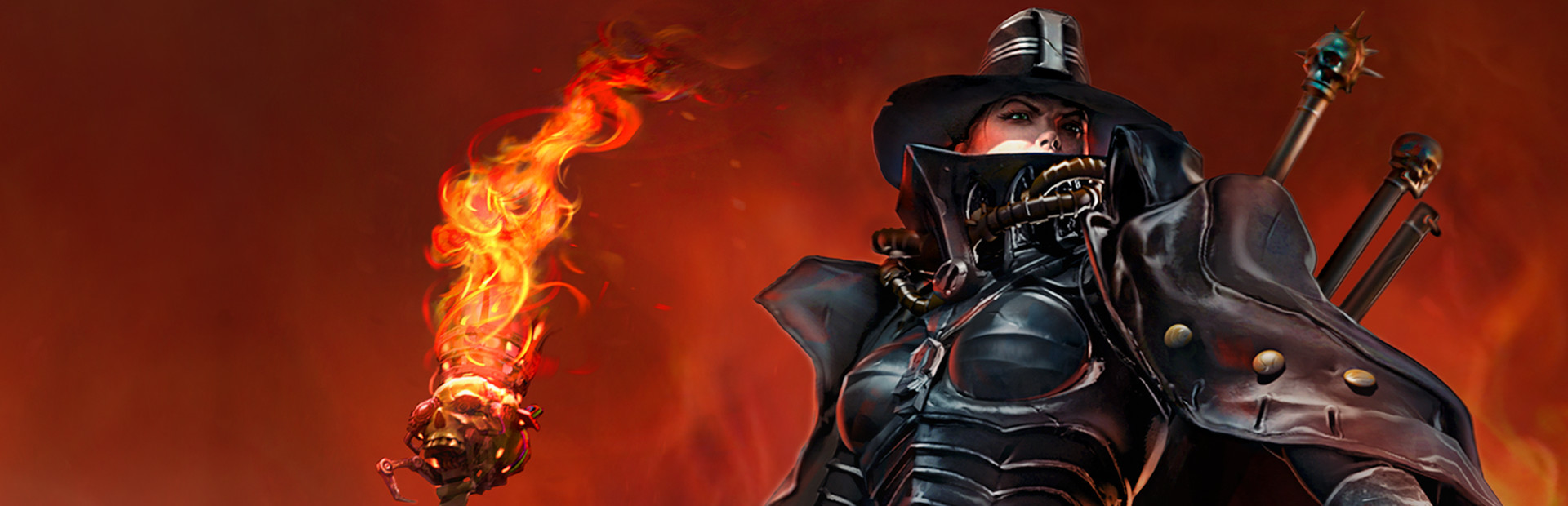
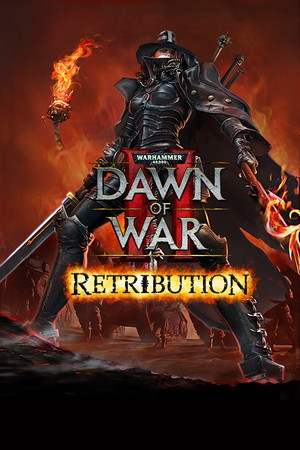
I keep a running list of RTS games that successfully blur the line between squad-level tactics and traditional base-building, and Retribution sits near the top with an asterisk. Released in March 2011, it is a fully standalone title, meaning you do not need Dawn of War II or Chaos Rising installed to access any content, which already makes it the most practical pick of the trilogy for a new buyer. That standalone status is not a footnote: it shapes everything from how you approach the campaign to how you jump into multiplayer on day one without a homework assignment. The campaign structure is where the debate lives. Previous Dawn of War II entries locked you into a tight squad of Space Marine heroes and demanded disciplined micromanagement: heavy weapons teams anchoring cover positions, jump-pack assault marines crashing into flanks, abilities fired with surgical timing. Retribution loosens that formula by letting you recruit additional units mid-mission from capturable production buildings, and by offering six fully playable factions: Space Marines, Chaos, Eldar, Orks, Tyranids, and the freshly introduced Imperial Guard. Each faction runs roughly five to ten hours per playthrough and supports drop-in co-op, where a second player controls two of the hero or Honor Guard units while both players share the same requisition, energy, and population cap. The co-op angle is genuinely the best way to experience the campaigns, because coordinating ability timing with a partner papers over the moments when solo play starts feeling like an elaborate clicking exercise. The Imperial Guard in particular demands serious micromanagement: large, fragile infantry squads that fold fast without constant repositioning, defensive turret placement, and smart use of Lord General Castor's call-in abilities. The honest criticism is that the campaign map reuse is real. Most factions travel through the same levels in Sub-sector Aurelia, with different narrative framing but shared encounter layouts. The first time a Baneblade chases you across a map it is spectacular; by the third faction playthrough, you are navigating the same geography on autopilot. Difficulty scaling also wobbles: heroes level up and accumulate war gear aggressively enough that mid-range difficulty settings can collapse into steamrolling late-game, which blunts the tactical pressure the earlier Dawn of War II games built their reputation on. Crank the difficulty or you lose the point of the whole exercise. Multiplayer is a different story with an important caveat. The switch from Games for Windows Live to Steamworks matchmaking was a genuine quality-of-life improvement that makes getting into matches far less painful than it was at launch. Six factions are available, each with three commander choices that meaningfully differentiate playstyle, and a community-made Elite mod has kept a subset of competitive players engaged with balance patches and new units. The Last Stand cooperative survival mode, where three players field hero characters against escalating enemy waves, remains the most reliably populated online mode. PvP ranked queues are thin but not dead, and custom lobbies stay active enough for patient players. For strategy fans interested in competitive depth, the wargear system rewards long-term investment: every piece of equipment your heroes earn opens new ability interactions, and figuring out which combinations break the opponent's build order is the game's genuine late-game hook. For a newcomer to the Dawn of War II line, Retribution is the correct starting point. It does not require you to read the prior games as prerequisites, its co-op campaign is a reasonable tutorial for both the mechanics and the 40K universe's faction dynamics, and Last Stand provides a low-pressure multiplayer on-ramp before you commit to ranked. Veterans of the earlier entries may find the loosened tactical constraints a step back, and the campaign repetition across six playthroughs is a legitimate design flaw rather than a minor quibble. But as a package that covers singleplayer, co-op, survival mode, and competitive multiplayer without demanding anything else from your library, the value calculation is hard to argue with.

Strategy & simulation
Etiquetas
Requisitos del sistema
Mínimos
- Processor
- Pentium IV 3.2Ghz, or any dual core processor
- Memory
- 1GB (XP), 1.5GB (Vista), 1.5 GB (Windows 7) Hard Disk Space: 8.5GB space free Video Card: 128 MB Video Card using…
Recomendados
- Processor
- Any Core 2 , Athlon X2, or better
- Memory
- 2GB RAM or higher (XP, Vista, Windows 7) Hard Disk Space: 8.5GB space free Video Card: 256 MB Vi…
DLC y complementos de Warhammer 40,000: Dawn of War II: Retribution6
Expansiones, packs de DLC y contenido adicional de este juego. Haz clic en cualquier elemento para ver las ofertas de las tiendas.
Sigue explorando
Community Discussion
Be the first to comment on Warhammer 40,000: Dawn of War II: Retribution.
Reseñas y valoraciones
Información del juego
- Desarrolladora
- Relic Entertainment
- Distribuidora
- SEGA
- Fecha de lanzamiento
- 3 mar 2011
- Clasificación por edad
- PEGI 18