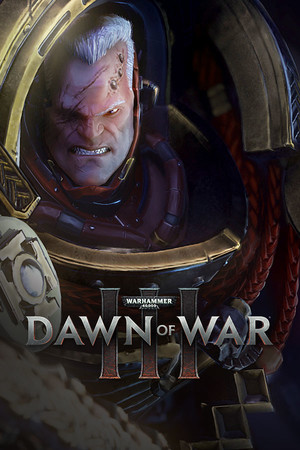
Warhammer 40000: Dawn of War III (Limited Edition)
Relic's divisive 2017 RTS mashes Dawn of War 1's base-building and DoW 2's hero focus into a MOBA-flavoured hybrid. Bold experiment, polarising result.
Veredicto de GamerScout
Best for RTS players who can accept a streamlined tactical layer in exchange for Elite-unit spectacle and asymmetric faction play.
Comparar precios(4 tiendas)
Todas las tiendas de esta tabla nos dan el precio en euros, así que la cifra en EUR es el precio que fijó el vendedor, no un cálculo nuestro, y por eso EUR es también la moneda en la que calculamos el ranking. Solo incluimos aquí una oferta cuando la tienda nos da su precio en euros, de modo que ninguna cifra de esta tabla es inventada por nosotros.
Elige USD, PLN, GBP, CAD o AUD en la cabecera y convertimos desde EUR con el tipo de cambio de referencia del Banco Central Europeo — los importes convertidos llevan el prefijo ~. Tu banco o la tienda pueden aplicar un tipo distinto al pagar. Nunca ocultamos ofertas según dónde estés: todo el mundo ve esta tabla completa.
We may earn a commission when you buy games through links on this page — at no extra cost to you. It never affects our rankings or verdicts.
Historial de precios
Capturas y multimedia
Acerca de Warhammer 40000: Dawn of War III (Limited Edition)
Warhammer 40,000: Dawn of War III is an RTS that refused to pick a lane, and that choice defines everything about it. Relic Entertainment took the large-army base-building of the original Dawn of War, bolted on the Elite hero units that made Dawn of War II famous, then wrapped the whole thing in a MOBA-influenced objective structure where you dismantle your opponent's Shield Generator, turret network, and Power Core in sequence before cracking open their base. On paper, that sounds like a grand synthesis. In practice, it is a game that left two very different fanbases feeling underserved - and yet, if you go in with calibrated expectations, there is real mechanical meat here. The three factions are genuinely distinct in their decision trees. Space Marines are the reliable all-rounder: solid armour, strong-baseline infantry, and the orbital bombardment super-ability to punish overextension. Eldar trade raw durability for shields and teleportation, rewarding players who can micro aggressively and then ghost out before the trade goes wrong. Orks lean into melee momentum and scrap-based on-the-fly upgrades, meaning their economy snowballs from successful engagements rather than passive resource ticking. Each faction picks a loadout of three Elite units before the match from a roster of race-exclusive options - choices like Gabriel Angelos and his God-Splitter hammer for the Blood Ravens, or Gorgutz and his Spinnin' Klaw for the Greenskins. Those Elites operate like chess queens: devastating when live, potentially match-ending to lose. Managing your regular army while tracking Elite cooldowns and positioning is genuinely demanding, and it is where the game's real strategic depth lives. The 17-mission campaign rotates you through all three factions on the world of Acheron, chasing a catastrophic weapon tied to ancient Eldar lore. The story lands somewhere around 'serviceable 40K pulp': the voice acting is strong, the Ork monologues are gleefully unhinged, but the narrative never quite justifies the runtime. More critically for strategy players, the campaign functions almost entirely as an extended tutorial. Elites are overpowered in solo play to the point where regular-unit management becomes optional, which is the opposite of the lesson you need before hitting multiplayer. The skirmish and 1v1/2v2/3v3 multiplayer modes are where the balance math actually applies - and at launch, the balance picture was shaky, with Space Marines over-represented and the map count tight (eight maps total). Community feedback pushed Relic toward patches fairly quickly, but with the multiplayer population now thin years after release, you are largely playing against AI or friends in private lobbies. The game stripped out several strategic layers that hardcore fans valued: cover bonuses are reduced to a control-point shield, morale and suppression mechanics are gone, and there is no branching tech tree forcing you to commit to a build path. The Doctrine system lets you tweak your army composition between matches and choose Elite loadouts, but unit-level equipment customisation - present in earlier entries - was removed. That abstraction frustrated players who wanted more build variety depth. Pathfinding also hiccups occasionally, and the UI has quirks that caused selection headaches even at launch. If your frame of reference is Company of Heroes or the original Dawn of War, those cuts will sting. If your entry point is the genre at large, you will find an accessible, tactically alive RTS that does a respectable job of communicating its systems. For a solo player today, the campaign and skirmish modes against AI offer maybe 20-30 hours of solid content, and the AI on Normal provides a fair fight without being algorithmically cheap. The mod ecosystem through the Steam Workshop added custom maps at launch and there is still community-built content there. This is not the grand-strategy depth machine that Dawn of War loyalists were hoping for, and its multiplayer scene is a shadow of what it once was. But as an atmospheric, faction-driven RTS with legitimate Elite micro complexity and spectacular mass-battle spectacle, it earns a qualified recommendation - particularly at a reduced price.

Strategy & simulation
Etiquetas
Requisitos del sistema
Mínimos
- Memory
- 4 GB RAM, 1 GB VRAM MB RAM
- Storage
- 50 GB
- Graphics
- NVIDIA GeForce 460 or AMD Radeon 6950 DirectX 11-
- Processor
- 3GHz i3 quad logical core
- System requirements
- 64-bit Windows 7 latest updates
Recomendados
- Memory
- 8 GB RAM, 2 GB VRAM MB RAM
- Storage
- 50 GB
- Graphics
- NVIDIA GeForce 770 or AMD Radeon 7970 DirectX 11
- Processor
- 3GHz i5 quad core
- System requirements
- 64-bit Windows 10 latest updates
Sigue explorando
Community Discussion
Be the first to comment on Warhammer 40000: Dawn of War III (Limited Edition).
Reseñas y valoraciones
Información del juego
- Desarrolladora
- Relic Entertainment
- Distribuidora
- SEGA
- Fecha de lanzamiento
- 27 abr 2017