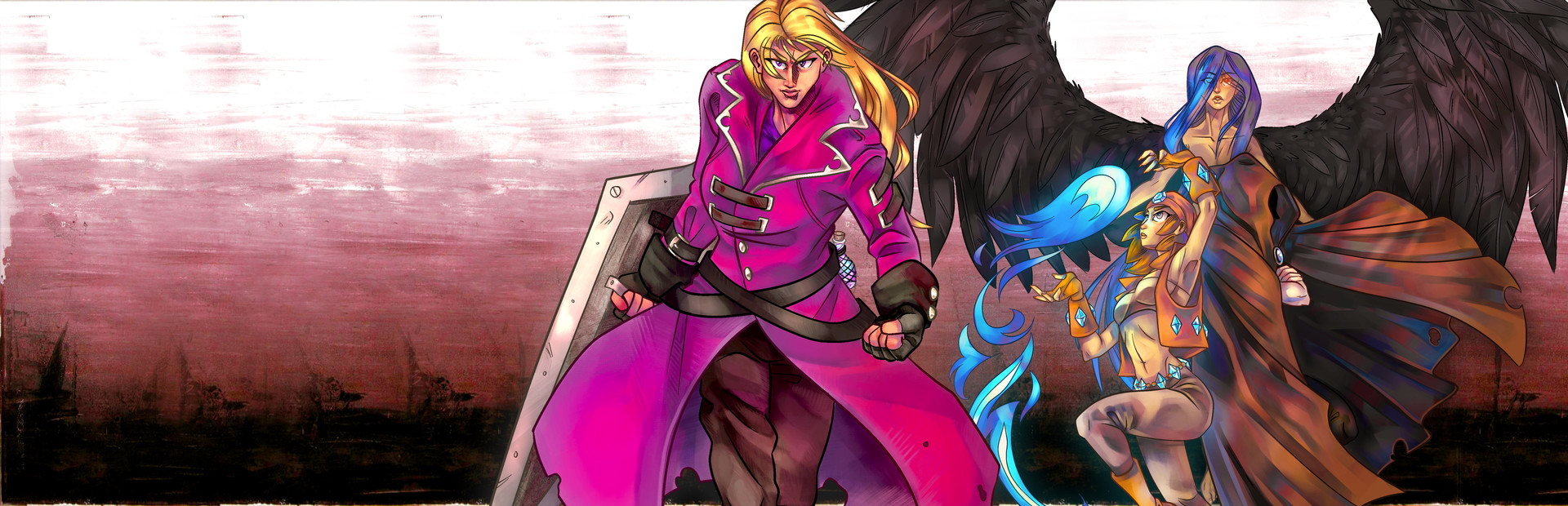
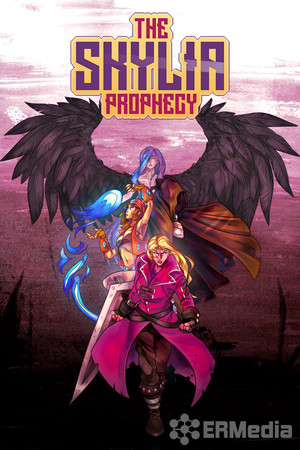
The Skylia Prophecy
Castlevania nostalgia bait with a paper-thin move set and genuinely decent boss fights - worth a look if you can forgive its rough edges and sub-five-dollar price tag.
GamerScout Verdict
Best for patient retro-platformer fans who can tolerate a bare-bones move set in exchange for atmosphere and punchy boss design.
Compare Prices(8 stores)
Every store in this table quotes us in euros, so the EUR figure is the price the seller actually set, not our arithmetic — which is why EUR is also the currency we rank in. We only list an offer here when the store gives us its price in euros, so nothing in this table is a number we invented.
Pick USD, PLN, GBP, CAD or AUD in the header and we convert from EUR at the European Central Bank reference rate — converted amounts are prefixed with ~. Your bank or the store may apply a different rate at checkout. We never hide offers based on where you are: everyone sees this whole table.
We may earn a commission when you buy games through links on this page — at no extra cost to you. It never affects our rankings or verdicts.
Price History
Screenshots & Media
About The Skylia Prophecy
I came into The Skylia Prophecy hoping for a scrappy indie Castlevania with some narrative backbone, and what I got was something more complicated: a one-person passion project that wears its retro inspirations loudly, stumbles on fundamentals, and still somehow delivers a handful of moments that made me lean forward in my chair. You play as Mirenia, an eighteen-year-old warrior carrying the guilt of having unleashed a demon lord on her world three years prior. The setup has real potential - a protagonist defined by a mistake rather than heroic destiny is a genuinely interesting starting point. The execution, unfortunately, buries it. The story is front-loaded into a scrolling text dump, Mirenia is a silent protagonist throughout most of the runtime, and the worldbuilding that could have made the medieval-gothic setting land instead gets reduced to a few villager lines between zones. If you come for narrative depth, you will leave disappointed. The writing rewards no re-reads because there is almost nothing to read. The combat is where the game both earns and loses its audience simultaneously. Mirenia's weapon is a Shield Blade - a sword that doubles as a barrier - and her attack options are, to put it kindly, sparse. She can slash straight across and raise her shield; that is more or less the full toolkit at the start. You cannot aim upward, you cannot crouch and attack, and the game loves throwing flying enemies at you, meaning aerial threats require a specific jump-timing ritual that gets old fast. New abilities do unlock after dungeon bosses, which adds some variety, but the underlying move set always feels like the skeleton of a fuller combat system that got cut. The bosses themselves are the genuine highlight: varied, mechanically distinct, and punishing in ways that feel intentional rather than arbitrary. One encounter built around a core protected by a rotating shield while a pursuing axe hunts you is legitimately clever design. The rest of the enemy roster - bats, skeletons, ghosts, creepy environmental creatures - is functional but rarely exciting. The world structure leans slightly Metroidvania-adjacent without committing. You move town to town through swamps, deserts, and forests, with mostly optional dungeons branching off the main path. Those dungeons contain door puzzles, maze-like portal networks, health and mana upgrades, and the better boss encounters. Completing side quests from townsfolk feeds gold into a shop system where you can buy items to soften the final stretch, which is a reasonable difficulty lever. The problem is the platforming that connects all of this: you cannot drop through platforms or jump up through them, which sounds like a retro quirk until the level design puts you on the wrong side of a ledge and forces a long detour. Combined with quest objectives that backtrack you through already-cleared areas, the pacing develops genuine friction around the mid-game. At roughly four hours long, The Skylia Prophecy is a micro-commitment. The pixel art has a real SNES-era atmosphere to it, the boss fights deliver more than their budget suggests they should, and the Souls-adjacent punishment loop works in short bursts. But the shallow combat system, underdeveloped story, and several quality-of-life decisions that feel decades out of date make this a game for a specific, patient audience. If you are chasing Castlevania-shaped nostalgia and your expectations match the price point, there is something here. If you want build variety, choices that matter, or writing that respects your time, look elsewhere.
RPGs
Tags
System Requirements
Minimum
- OS
- Windows 7
- Memory
- 500 MB RAM
- Graphics
- Yes
- Processor
- 1GHz
- Sound Card
- If you like music, sure
Keep exploring
Community Discussion
Be the first to comment on The Skylia Prophecy.
Reviews & Ratings
No ratings available
Game Info
- Developer
- ERMedia
- Publisher
- Plug In Digital
- Release Date
- Nov 20, 2020