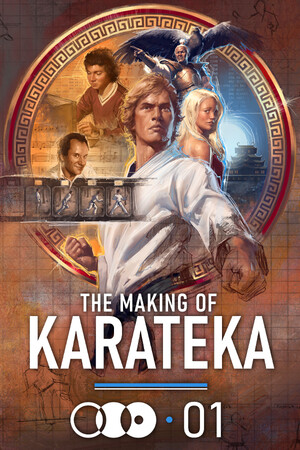
Compare The Making of Karateka prices across trusted key stores and find the best deal. Developed by Digital Eclipse. Published by Digital Eclipse. Released on 8/29/2023. Available on PC. Genres: Action. Metacritic score: 90/100.

Part museum exhibit, part playable archive, Digital Eclipse's Gold Master Series opener makes a strong case that the story behind a 1984 Apple II game is worth your full evening.

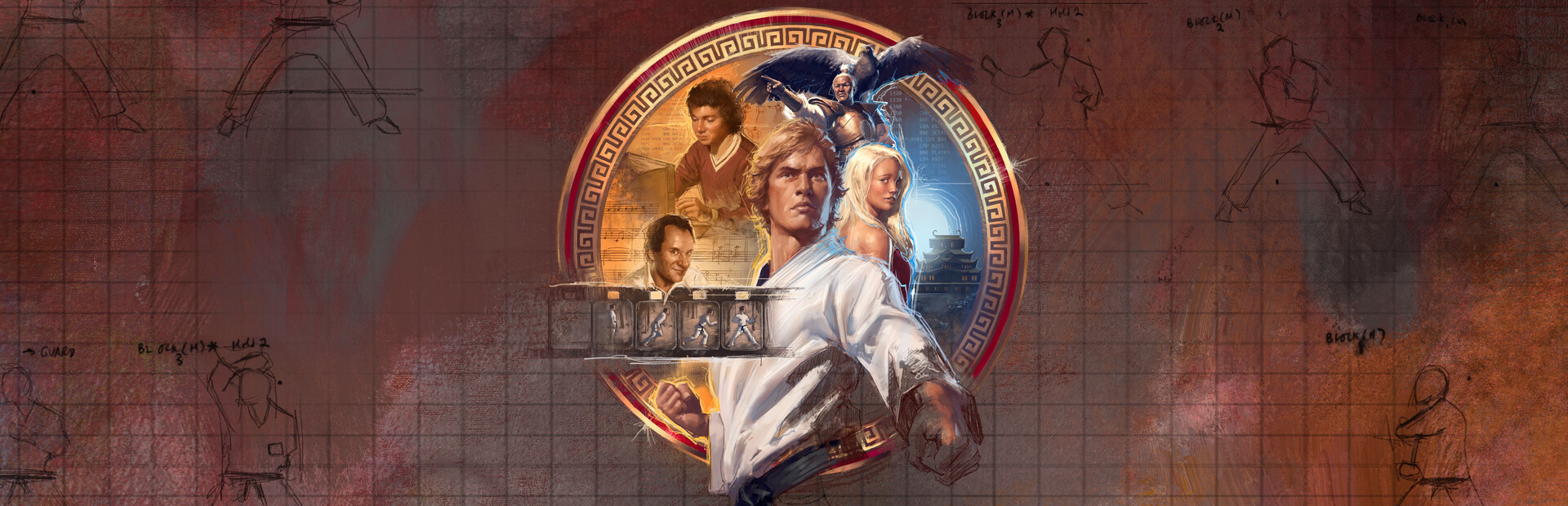
I went into The Making of Karateka half-expecting a glorified ROM dump dressed up with some scanned concept art. What I got instead felt closer to cracking open a Criterion Collection box set where the bonus features are actually better than the movie. Digital Eclipse has built something genuinely new here: a structured, timeline-driven interactive documentary where design documents, journal entries, handwritten letters to publisher Broderbund, Super-8 footage, and video interviews all sit alongside playable software as equal citizens, not afterthoughts. If you have ever wondered how a Yale freshman who was skipping class to hang out at the film society ended up creating one of the most cinematic games of 1984, this answers that question in obsessive, affectionate detail. The content is organised across several distinct timelines, and Digital Eclipse's smart move is making you sit with the context before you reach the main attraction. You work through the Deathbounce story first, watching a teenage Mechner pitch an Asteroids clone to Broderbund, get rejected, iterate, and ultimately fail to get it published. Luminaries like id Software co-founder Tom Hall and Mortal Kombat co-creator John Tobias show up to explain what Karateka meant to them, and there is something quietly moving about learning that a teenage John Romero mailed Mechner a fan letter in 1985. The archival pull here is exceptional. Mechner apparently kept everything, so the timelines are stuffed with family photos, publisher correspondence, and passages from his journal. One noted criticism is that his handwriting is genuinely hard to parse, and optional caption overlays would have helped. On the playable side, you get the Apple II, Commodore 64, and Atari 8-bit versions of Karateka, several development prototypes, and two new productions. Karateka Remastered is the cleanest version of the original game that exists, with modernised graphics and smoothed animation that stays true to the source aesthetic rather than pasting new art over old sprites. Save anywhere, Rewind, Watch Mode, chapter select, and a commentary track from both Jordan and his father Francis are all baked in. The original game is slow and punishing by modern standards, so these quality-of-life tools matter. Then there is Deathbounce: Rebounded, Digital Eclipse's fully realised take on the game that never made it out of the 80s. It is a twin-stick arcade score-chaser set on a train full of bird enemies, and it is far more addictive than it has any right to be. Multipliers for immediate-impact hits at the start of each room give it real mechanical depth for a game that looks this retro. The main caveat is audience fit. If you have no nostalgia for early personal computing, no interest in game development history, and just want something to play, the package will feel thin. The original Karateka is genuinely short, and the remastered version is not a dramatic reinvention. This is first and foremost a preservation and storytelling product. Players who loved Atari 50's documentary structure will feel at home immediately, and anyone who is curious about how cinematic design, rotoscoping, and Hollywood-style narrative first crept into video games will find the whole thing fascinating. Metacritic sits at 90, and that score reflects a critics' consensus that Digital Eclipse has built something thoughtful and important here, not just competent. Alex, Scout Team

The Making of Karateka

The Making of Karateka

Aug 29, 2023Digital Eclipse
GamerScout Says

Part museum exhibit, part playable archive, Digital Eclipse's Gold Master Series opener makes a strong case that the story behind a 1984 Apple II game is worth your full evening.

PC
Steam Deck PlayableProtonDB Gold
Best Price Available
€0.00
at N/A

GamerScout Verdict

Essential for game-history enthusiasts and Atari 50 fans; too niche to recommend to players who only want something fresh to play.

Compare Prices(0 stores)

Loading prices...

We may earn a commission when you buy games through links on this page — at no extra cost to you. It never affects our rankings or verdicts.

Screenshots & Media

About The Making of Karateka

I went into The Making of Karateka half-expecting a glorified ROM dump dressed up with some scanned concept art. What I got instead felt closer to cracking open a Criterion Collection box set where the bonus features are actually better than the movie. Digital Eclipse has built something genuinely new here: a structured, timeline-driven interactive documentary where design documents, journal entries, handwritten letters to publisher Broderbund, Super-8 footage, and video interviews all sit alongside playable software as equal citizens, not afterthoughts. If you have ever wondered how a Yale freshman who was skipping class to hang out at the film society ended up creating one of the most cinematic games of 1984, this answers that question in obsessive, affectionate detail. The content is organised across several distinct timelines, and Digital Eclipse's smart move is making you sit with the context before you reach the main attraction. You work through the Deathbounce story first, watching a teenage Mechner pitch an Asteroids clone to Broderbund, get rejected, iterate, and ultimately fail to get it published. Luminaries like id Software co-founder Tom Hall and Mortal Kombat co-creator John Tobias show up to explain what Karateka meant to them, and there is something quietly moving about learning that a teenage John Romero mailed Mechner a fan letter in 1985. The archival pull here is exceptional. Mechner apparently kept everything, so the timelines are stuffed with family photos, publisher correspondence, and passages from his journal. One noted criticism is that his handwriting is genuinely hard to parse, and optional caption overlays would have helped. On the playable side, you get the Apple II, Commodore 64, and Atari 8-bit versions of Karateka, several development prototypes, and two new productions. Karateka Remastered is the cleanest version of the original game that exists, with modernised graphics and smoothed animation that stays true to the source aesthetic rather than pasting new art over old sprites. Save anywhere, Rewind, Watch Mode, chapter select, and a commentary track from both Jordan and his father Francis are all baked in. The original game is slow and punishing by modern standards, so these quality-of-life tools matter. Then there is Deathbounce: Rebounded, Digital Eclipse's fully realised take on the game that never made it out of the 80s. It is a twin-stick arcade score-chaser set on a train full of bird enemies, and it is far more addictive than it has any right to be. Multipliers for immediate-impact hits at the start of each room give it real mechanical depth for a game that looks this retro. The main caveat is audience fit. If you have no nostalgia for early personal computing, no interest in game development history, and just want something to play, the package will feel thin. The original Karateka is genuinely short, and the remastered version is not a dramatic reinvention. This is first and foremost a preservation and storytelling product. Players who loved Atari 50's documentary structure will feel at home immediately, and anyone who is curious about how cinematic design, rotoscoping, and Hollywood-style narrative first crept into video games will find the whole thing fascinating. Metacritic sits at 90, and that score reflects a critics' consensus that Digital Eclipse has built something thoughtful and important here, not just competent.

Alex
Alex · Scout Team

Catch-all

Tags

singleplayerachievementscontroller-supportcloud-savestier:aaaInteractive DocumentaryGame PreservationRetro ArchiveScore ChaserTwin-Stick ShooterDirector CommentaryWatch ModeGame Development HistoryRotoscoping

System Requirements

Minimum

OS
Windows 10
Memory
8 GB RAM
Graphics
ATI Radeon HD 4800 Series, Nvidia GeForce 8800GT or greater
Processor
Intel i3 @ 3.0GHz or AMD equivalent.

Recommended

Requires a 64-bit processor and operating system

Keep exploring

Community Discussion

Be the first to comment on The Making of Karateka.

Reviews & Ratings

Metacritic
90

Game Info

Developer
Digital Eclipse
Publisher
Digital Eclipse
Release Date
Aug 29, 2023

Price Alert

Get notified when the price drops below your target!

Create Alert

No card? Pay another way

Top up your Steam Wallet or buy crypto with any card — instant delivery, no bank account needed.

More from Digital Eclipse

Buy smarter: helpful guides

Looking for more? See games like The Making of Karateka →

Frequently asked questions about The Making of Karateka

How much does The Making of Karateka cost?

The Making of Karateka pricing changes often and varies by store, edition and region. The live price table on this page compares the cheapest in-stock offers from trusted key stores like Eneba and Kinguin, so you always see the current lowest price before you buy.

Where can I buy The Making of Karateka cheapest?

Compare The Making of Karateka prices across every verified store in the price table on this page. We list the cheapest in-stock key and store offers, updated regularly, so you always see the best current deal before you buy.

What platforms is The Making of Karateka available on?

The Making of Karateka is available on PC.

When was The Making of Karateka released?

The Making of Karateka was released on 29 August 2023.

Who developed The Making of Karateka?

The Making of Karateka was developed by Digital Eclipse.

Is The Making of Karateka worth buying?

The Making of Karateka holds a Metacritic score of 90/100, making it one of the standout Action titles. See the full reviews, ratings and how-long-to-beat times on this page to decide.