The Dark Eye: Memoria
Two protagonists, 500 years apart, one slow-burning mystery that earns every quiet moment - Memoria is Daedalic's most carefully constructed point-and-click, and point-and-click fans have slept on it long enough.
GamerScout Verdict
Mandatory for point-and-click fans who can start with Chains of Satinav; a rare sequel that genuinely outgrows its predecessor.
Compare Prices(7 stores)
Every store in this table quotes us in euros, so the EUR figure is the price the seller actually set, not our arithmetic — which is why EUR is also the currency we rank in. We only list an offer here when the store gives us its price in euros, so nothing in this table is a number we invented.
Pick USD, PLN, GBP, CAD or AUD in the header and we convert from EUR at the European Central Bank reference rate — converted amounts are prefixed with ~. Your bank or the store may apply a different rate at checkout. We never hide offers based on where you are: everyone sees this whole table.
We may earn a commission when you buy games through links on this page — at no extra cost to you. It never affects our rankings or verdicts.
Price History
Screenshots & Media
About The Dark Eye: Memoria
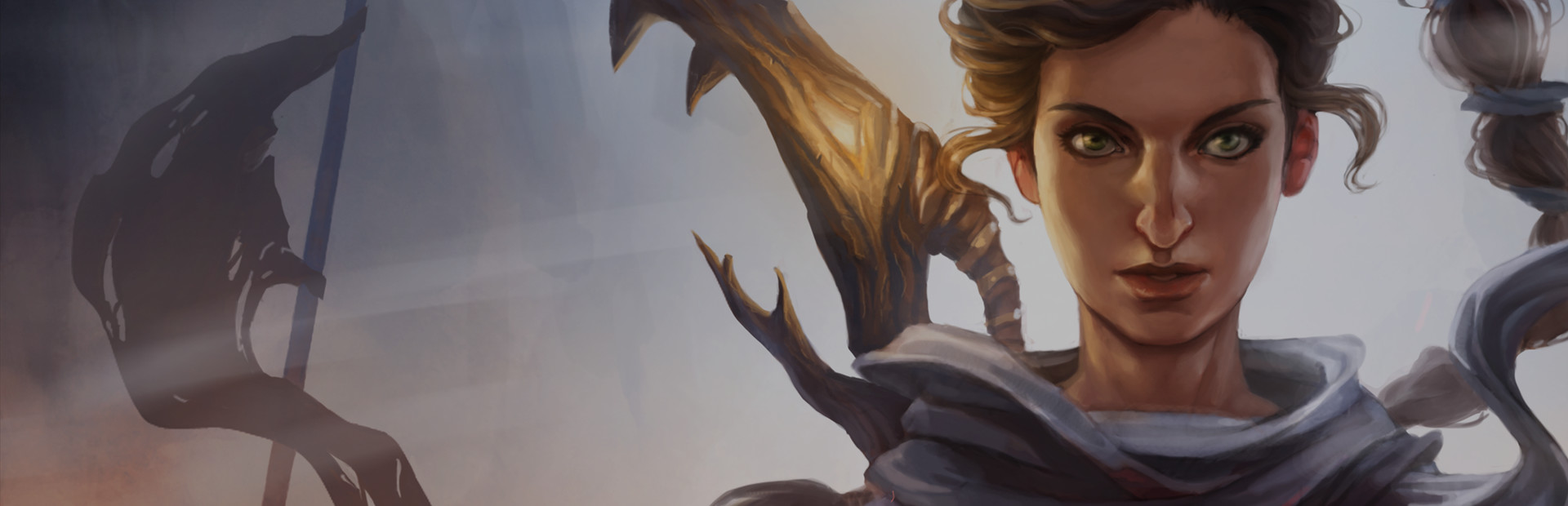
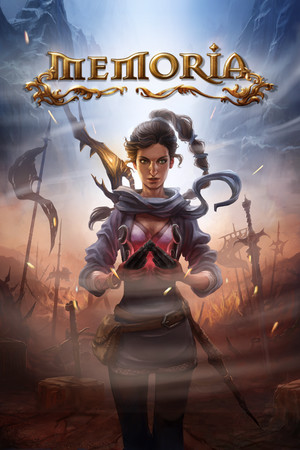
My first hour with Memoria made me wonder whether the game trusted me at all. Geron, the sardonic bird-catcher from Chains of Satinav, shuffles around a muddy medieval town muttering to a fairy trapped in a raven's body, and the pacing is deliberately unhurried. Stick with it. The game is doing something quietly structural during that opening stretch: establishing a tonal anchor before it pulls the floor away and sends you 450 years into the past. The dual-protagonist format is where Memoria separates itself from Daedalic's other work. Geron's present-day thread is grounded and small in scale, set largely in the sooty, peasant-filled streets of Andergast. Sadja's storyline, running parallel and centuries prior, is a world-spanning saga involving gods, elemental mages, demonic armies, and a war so cataclysmic history barely remembers it. The two timelines talk to each other in clever ways: Geron literally reads a mage's diary at one point, which means the player can only perceive what the diary's author witnessed, a narratively honest constraint that most games wouldn't even attempt. Sadja is the stronger character by some margin - forceful, ambitious, easy to root for - while Geron plays the underdog role with enough sincerity that you forgive his occasional mopiness. The magic system is the mechanical heart here. Both protagonists carry spell sets that feed directly into the puzzle design. Geron can fracture and repair brittle objects, a break-and-mend ability that sounds minor until you realize the puzzles are built specifically around its limits. Sadja commands a magic staff that can animate objects, send out sensory visions to influence characters, and illuminate dark spaces. These spells prevent the inventory-shuffling from feeling like pure rote adventure-game ritual: you are thinking spatially and causally, not just hunting hotspots. A hotspot revealer exists (hold spacebar), which is a sensible mercy given some of the puzzles' abstract demands, though leaning on it habitually will blunt the satisfaction of the harder rooms. The hint system operates on two tiers, nudging without spoiling, and it is well calibrated. The handcraft here is visible in every background panel. The environments - desert ruins, fog-thick forests, dragon-built temples, torch-lit archive halls - are painted with a density that rewards slow movement and idle clicking. The characters animate less convincingly, and the English voice acting is uneven in ways that are partly explained by the game's German origins; the lip-sync was always going to be a casualty of translation. The soundtrack, though, is something else entirely: orchestral, unhurried, occasionally genuinely stirring in the way only a composer who believes in the material can achieve. It does more atmospheric heavy lifting than any single visual asset. A fair warning before you load this up: Memoria is a direct sequel. The opening scene drops you mid-consequence, and while a newcomer can piece things together, the emotional weight of Geron and Nuri's situation lands harder if you have played Chains of Satinav first. The game runs around 10-15 hours at a patient pace, which feels proportionate to the story being told. It knows when to end, and the conclusion is satisfying in ways that many longer games never manage.

Indie & narrative
Tags
System Requirements
Minimum
- OS
- Windows Vista/7/8
- Memory
- 2500 MB RAM
- DirectX
- Version 9.0c
- Storage
- 10 GB available space
- Graphics
- OpenGL 2.0 compatible with 512 MB RAM (Shared Memory is not recommended)
- Processor
- 2.5 GHz Single Core Processor or 2 GHz Dual Core Processor
- Sound Card
- DirectX 9.0c compatible
Recommended
- OS
- Windows Vista/7/8
- Memory
- 2500 MB RAM
- DirectX
- Version 9.0c
- Storage
- 10 GB available space
- Graphics
- OpenGL 2.0 compatible with 1GB RAM (Shared Memory is not recommended)
- Processor
- 2.5 GHz Single Core Processor or 2 GHz Dual Core Processor
- Sound Card
- DirectX 9.0c compatible
DLC & Add-ons for The Dark Eye: Memoria1
Expansions, DLC packs and add-on content for this game. Click any item to see store offers.

Keep exploring
Community Discussion
Be the first to comment on The Dark Eye: Memoria.
Reviews & Ratings
Game Info
- Developer
- Daedalic Entertainment
- Publisher
- Daedalic Entertainment
- Release Date
- Aug 29, 2013