Samorost 3
A wordless, handcrafted point-and-click odyssey through nine alien worlds. Pure atmosphere, no filler, just a gnome and his magic flute.
GamerScout Verdict
Best for patient players who want a handcrafted, wordless puzzle world that treats atmosphere as a core mechanic.
Compare Prices(5 stores)
Every store in this table quotes us in euros, so the EUR figure is the price the seller actually set, not our arithmetic — which is why EUR is also the currency we rank in. We only list an offer here when the store gives us its price in euros, so nothing in this table is a number we invented.
Pick USD, PLN, GBP, CAD or AUD in the header and we convert from EUR at the European Central Bank reference rate — converted amounts are prefixed with ~. Your bank or the store may apply a different rate at checkout. We never hide offers based on where you are: everyone sees this whole table.
We may earn a commission when you buy games through links on this page — at no extra cost to you. It never affects our rankings or verdicts.
Price History
Screenshots & Media
About Samorost 3
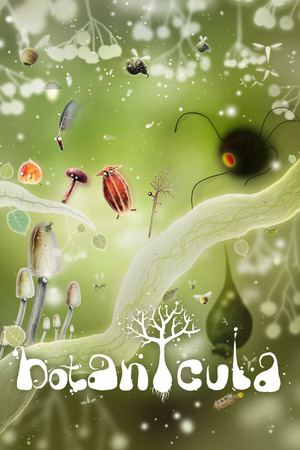
Samorost 3 is a point-and-click adventure puzzle game from Amanita Design, the Czech studio behind Machinarium and Botanicula. You play a small, pyjama-clad gnome who finds a mysterious flute dropped from the sky and uses it to travel across nine alien planets, each one a distinct living diorama of organic textures, impossible creatures, and ambient sound design that most studios spend ten times the budget trying to approximate. There is no spoken dialogue, no text tutorial, no hand-holding. The game simply opens, and trusts you to pay attention. The puzzles are almost entirely context-based. You click things, watch how the world reacts, listen for audio cues, and slowly build a mental model of cause and effect. None of the individual steps are particularly long or cruel, but the solutions rarely announce themselves loudly. This is observation-based puzzle design at its most patient: the kind that rewards people who slow down, zoom into a corner of the screen, and notice that a tiny bug is carrying something. If you approach it like a traditional adventure game and start furiously clicking everything, you will miss the quiet logic entirely. The flute itself becomes a genuine mechanic across several chapters, where you replay tones and match ambient sounds to unlock sequences. It sounds gimmicky written down. In practice it feels like the most natural thing in the world. Visually, Samorost 3 sits in a category almost by itself. Amanita's art direction blends photography of real bark, moss, and stone with hand-drawn illustration and careful animation to create environments that look genuinely organic, like someone built a tiny world inside a hollow log and then lit it correctly. Each planet has its own color palette, its own biological logic, its own personality. The transitions between areas are short animated sequences that do more world-building than most games manage with an entire cutscene budget. Tomas Dvoracek's soundtrack is the other half of this equation: acoustic, layered with field recordings and subtle dissonance, it changes moment to moment based on what you are doing. Spend enough time listening and you realize the sound design and the puzzle design are the same thing. Where Samorost 3 asks for patience is the pacing. The opening chapter is slow by any standard, and a few of the middle planets lean on mood over momentum in ways that can feel meandering if you came for brisk puzzle-solving. Runtime lands somewhere around five to eight hours depending on how much you explore optional vignettes scattered through each world. Those vignettes are worth finding: small self-contained moments, often funny, that add texture without adding bloat. The game knows when to end, and it ends correctly. This is a game for people who can sit with a screen and let something wash over them. It suits anyone who loved the quieter moments in games like Flower or Journey, or who remembers old LucasArts adventures not for the frustration but for the feeling of being genuinely inside another place. If you need a hint system or achievement guidance to stay engaged, Samorost 3 will not meet you there. If you are willing to work on its terms, it gives back something that is genuinely hard to find: a small, complete, handmade world that feels like it was built by people who cared about every single pixel.

Indie & narrative
Tags
System Requirements
Minimum
- Processor
- 2.3 GHz Dual Core
- Memory
- 1 GB RAM
- Graphics
- Intel HD 4000
- Storage
- 1 GB available space
DLC & Add-ons for Samorost 31
Expansions, DLC packs and add-on content for this game. Click any item to see store offers.
Keep exploring
Community Discussion
Be the first to comment on Samorost 3.
Reviews & Ratings
Game Info
- Developer
- Amanita Design
- Publisher
- Amanita Design
- Release Date
- Mar 24, 2016