Metro 2033
Claustrophobic, resource-starved, and dripping with post-apocalyptic dread, Metro 2033 is the rare FPS where atmosphere carries more weight than the gunplay.
GamerScout Verdict
8.1/10Best for FPS players who want oppressive atmosphere and resource tension over twitch shooting and open exploration.
Compare Prices(5 stores)
Every store in this table quotes us in euros, so the EUR figure is the price the seller actually set, not our arithmetic — which is why EUR is also the currency we rank in. We only list an offer here when the store gives us its price in euros, so nothing in this table is a number we invented.
Pick USD, PLN, GBP, CAD or AUD in the header and we convert from EUR at the European Central Bank reference rate — converted amounts are prefixed with ~. Your bank or the store may apply a different rate at checkout. We never hide offers based on where you are: everyone sees this whole table.
We may earn a commission when you buy games through links on this page — at no extra cost to you. It never affects our rankings or verdicts.
Price History
Screenshots & Media
About Metro 2033
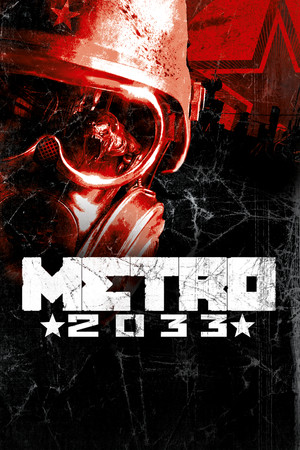
I've gone back to Metro 2033 more than once specifically because no other shooter makes scarcity feel this oppressive. You play as Artyom, a young man trying to cross the entire Moscow Metro to warn a distant station about an existential threat closing in from the surface. The tunnels are dimly lit, mutants stalk you in the dark, and the military-grade bullets you hoard for self-defense double as the game's currency, so every purchase at a vendor is a quiet calculation about whether you trust your own aim enough to spend the good stuff. The survival mechanics are what set this apart from standard corridor shooters. A gas mask is mandatory on the irradiated surface, and if it cracks in a firefight you need a replacement before the oxygen timer kills you. There is no health bar on screen, blood at the edges of your vision and fogged mask glass are how the game communicates damage, which keeps the immersion remarkably tight. The minimal HUD design was a deliberate choice by 4A Games, and it pays off. Light and sound govern the stealth side: shoot out a bulb to create shadow, use a silenced weapon to avoid alerting patrols, equip night-vision goggles to turn the darkness into your advantage rather than theirs. The arsenal mixes pre-war firearms with crude Metro-built weapons, and switching between them mid-run genuinely changes how each encounter plays out. Where Metro 2033 earns its cult following is atmosphere. The world is dense with overheard NPC conversations, factional politics between Metro stations-turned-city-states, and environmental storytelling that rewards players who slow down. Critics at launch praised the setting's detail, it drew comparisons to BioShock and Half-Life 2 in terms of how thoroughly the world communicates its own history. The Russian voice acting adds texture that the English dub, while competent, cannot fully replicate. The story is linear, and that linearity is also its sharpest criticism: the Metro teases enormous lore and factions but rushes Artyom through locations without letting you breathe them in. Players who want to poke at every corner will occasionally feel the invisible walls closing in. The original 2033 carried real rough edges, AI that struggled with pathing, stealth bugs that made enemies behave erratically, and pacing that stumbled in the back half. Those issues were largely addressed in the Redux remaster released in 2014, which also brought over improved combat mechanics and silent takedowns from the sequel. The version currently available on PC is the stronger experience for that reason, even if the darker and more claustrophobic original had its own specific tension that Redux's brighter lighting softened somewhat. Either way, this is a five-to-eight hour ride with a fixed narrative, not an open sandbox, and if the length feels short, that is actually correct: the game never outstays its welcome. Metro 2033 is built for players who want a story-driven FPS that treats them like adults: scarce resources, no hand-holding, and a world that feels genuinely hostile rather than gamified. If you need constant mechanical feedback or wide-open exploration, this will frustrate you. But if you want an FPS that lands closer to survival horror and literary science fiction than to a typical shooter, there is very little else on PC that does it as well.

Catch-all
Tags
System Requirements
Minimum
- Processor
- Dual Core CPU (2.2+ GHz Dual Core CPU or better)
- Memory
- 2 GB RAM
- Graphics
- DirectX 10, Shader Model 4 compliant graphics cards (GeForce 8800 GT 512 MB, GeForce GTS 250, et…
Recommended
- Processor
- Any Quad Core or 3.0+ GHz Dual Core CPU
- Memory
- 2GB RAM
- Graphics
- DirectX 10 compliant graphics card (GeForce GTX 260 and above) DirectX®: DirectX 10 or higher Optimum Requirements…
Keep exploring
Community Discussion
Be the first to comment on Metro 2033.
Reviews & Ratings
Game Info
- Developer
- 4A Games
- Publisher
- Deep Silver
- Release Date
- Mar 16, 2010