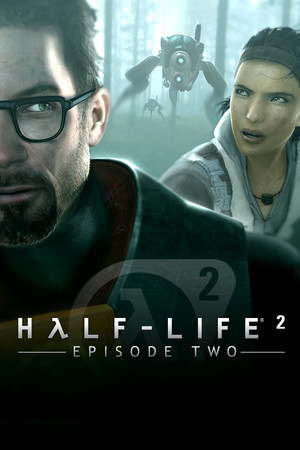
Half-Life 2: Episode Two
Valve's best-paced chapter in the Half-Life saga: a lean, punchy five-to-six-hour FPS that sticks the landing harder than anything that came before it.
None of the stores we track has Half-Life 2: Episode Two in stock at the moment. We re-check every day and this page updates itself the moment an offer comes back.
GamerScout Verdict
9/10Essential for any FPS fan willing to accept an unresolved ending - tight, varied, and paced better than most full-price releases.
Compare Prices(0 stores)
Loading prices...
Every store in this table quotes us in euros, so the EUR figure is the price the seller actually set, not our arithmetic — which is why EUR is also the currency we rank in. We only list an offer here when the store gives us its price in euros, so nothing in this table is a number we invented.
Pick USD, PLN, GBP, CAD or AUD in the header and we convert from EUR at the European Central Bank reference rate — converted amounts are prefixed with ~. Your bank or the store may apply a different rate at checkout. We never hide offers based on where you are: everyone sees this whole table.
We may earn a commission when you buy games through links on this page — at no extra cost to you. It never affects our rankings or verdicts.
Screenshots & Media
About Half-Life 2: Episode Two
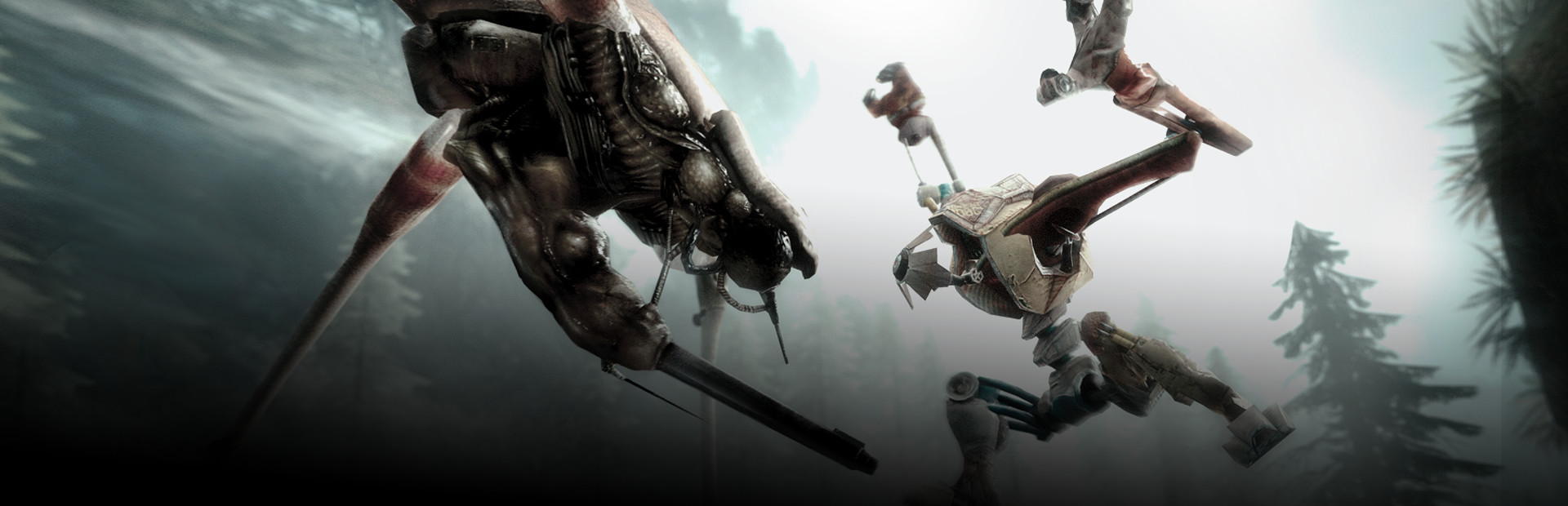
I went back to Episode Two expecting a solid-but-dated expansion. What I got was a reminder of how few games have ever managed pacing this well. From the moment Gordon and Alyx crawl out of a wrecked train and into the open forests surrounding City 17, the game barely lets you settle before it throws something new at you. Mines, Antlion caves, a radar-equipped car threading supply caches along mountain roads, and then a White Forest base that becomes the stage for one of the most elaborate defensive battles Valve ever designed. That is a lot of game packed into what critics pegged at roughly six hours. The two new enemy types are where Episode Two earns its keep mechanically. The Hunter is a tripedal Combine synth that actively flanks you, flushes you out of cover, and resists most conventional attacks - its main weakness is thrown physics objects, which means the Gravity Gun stays relevant right to the end rather than collecting dust in your inventory. Learning to catch Hunter flechettes mid-air and punt them back is one of those small skill loops that feels genuinely satisfying once it clicks. The final Strider defence at White Forest is a different animal entirely: a wide-open multi-objective battle where you ride the Magnusson Device to attach sticky charges to Striders, then clear their Hunter escorts so you can get a clean shot. Valve spent more development time tuning that one map than any other in the game, and it shows - players report that they tackled it very differently from each other, which is a reliable sign of well-designed systems rather than a scripted solution funnel. The opening act is the one honest weak spot. Antlion workers and headcrab zombies in underground tunnels follow predictable patterns, and a couple of reviewers at the time flagged the first hour or two as slow going before the game finds its footing. That criticism is fair. Stick with it: once Gordon surfaces into the open countryside, the variety of environments and the quality of set pieces climb sharply and do not really dip again. The companion AI, Alyx in particular, delivers dialogue that does real narrative work rather than just filling dead air - something that was genuinely uncommon in 2007 and still holds up against a lot of modern equivalents. The elephant in the room is the cliffhanger ending. Episode Three was cancelled when Valve pivoted away from episodic development, so this chapter ends on an emotional note that has been unresolved for nearly two decades. That does not make Episode Two a lesser game - it is complete as an experience - but if you are coming in fresh and the idea of an unresolved story bothers you, it is worth knowing upfront. For everyone else, the Metacritic score of 90 across critics reflects a game that did almost everything right within its scope. Short, tight, varied, and genuinely tense in its final third: that is the pitch.

Catch-all
Tags
System Requirements
Minimum
1.7 GHz Processor, 512MB RAM, DirectX® 8.1 level Graphics Card (Requires support for SSE), Windows® 7 (32/64-bit)/Vista/XP, Mouse, Keyboard, Internet Connection
Recommended
Pentium 4 processor (3.0…
Keep exploring
Community Discussion
Be the first to comment on Half-Life 2: Episode Two.
Reviews & Ratings
Game Info
- Developer
- Valve
- Publisher
- Valve
- Release Date
- Oct 10, 2007