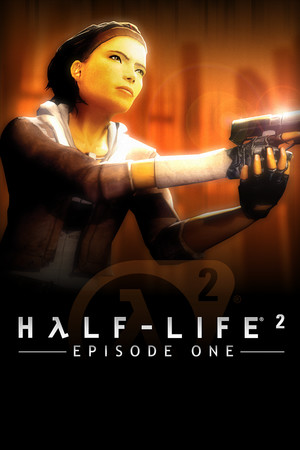
Half-Life 2: Episode One
Four to five hours of tightly wound FPS that doubles down on Alyx Vance and the Gravity Gun, making every minute count even if there aren't that many of them.
GamerScout Verdict
8.7/10Essential for Half-Life 2 fans, especially now that it ships inside the base game, despite a runtime that ends just as the tension peaks.
Compare Prices(1 stores)
Every store in this table quotes us in euros, so the EUR figure is the price the seller actually set, not our arithmetic — which is why EUR is also the currency we rank in. We only list an offer here when the store gives us its price in euros, so nothing in this table is a number we invented.
Pick USD, PLN, GBP, CAD or AUD in the header and we convert from EUR at the European Central Bank reference rate — converted amounts are prefixed with ~. Your bank or the store may apply a different rate at checkout. We never hide offers based on where you are: everyone sees this whole table.
We may earn a commission when you buy games through links on this page — at no extra cost to you. It never affects our rankings or verdicts.
Price History
Screenshots & Media
About Half-Life 2: Episode One
My honest first reaction to Episode One was relief. After Half-Life 2 ended on one of the most abrupt cliff-hangers in FPS history, Valve delivered a follow-up that picks up the story seconds after Gordon Freeman survives the Citadel explosion, with Alyx at his side and a city on a countdown to total annihilation. It is a short game, no question, but it is one that knows exactly what it wants to be. The structure is straightforward: re-enter the crumbling Citadel to slow its reactor meltdown, then fight your way out of City 17 before the whole thing goes critical. What keeps it from feeling like a glorified corridor is how Valve rebuilt the experience around two specific tools. The Gravity Gun is your starting weapon this time instead of a crowbar, and the puzzles built around it are noticeably more inventive than anything in the base game. Plugging antlion burrow pits by hauling cars on top of them with the Gravity Gun, or snatching live grenades away from the new "zombine" enemies mid-charge, gives the physics engine actual mechanical weight rather than treating it as a party trick. The Combine soldiers also received upgraded AI, with new tactics like ducking under your line of fire during engagements, which keeps the combat from feeling familiar on repeat. Alyx Vance is the other pillar the game rests on, and the results are genuinely impressive for 2006 AI design. Valve explicitly programmed her to avoid repetitive lines and robotic behaviour, and it shows. She comments on what you are doing, reacts to the environment, and provides real combat support during firefights without needing to be babysat. Having her present for virtually the entire run transforms Episode One from a standard shooter into something closer to a co-operative experience, even though you are technically solo. Some players find her constant presence grating by the end, and that is a fair complaint, but for most of the runtime she elevates every scene she is in. The criticisms are real and they are not small. The runtime sits firmly at four to five hours, and the first half of the game leans heavily on puzzle pacing over action, which can frustrate players who showed up for the intense street battles that dominate the back half. The episode is also more linear than Half-Life 2, with fewer split paths to explore and more mandatory "wait while Alyx operates this terminal" interruptions. No new weapons are introduced either, which means you are working with a familiar toolkit throughout. Whether that bothers you depends on how much novelty you needed on top of a story continuation. One thing worth noting for buyers in 2024 and beyond: following Half-Life 2's 20th Anniversary Update, Episode One was merged into the base Half-Life 2 game and is accessible directly from its main menu. That changes the value calculation significantly. As a standalone chapter it was always a brief, premium-priced experience. As part of the broader Half-Life 2 package it is simply the next thing you play when the credits roll on the main game, and in that context it is essential. The HDR lighting, improved facial animation, and developer commentary mode still hold up as extras worth exploring on a second run.

Catch-all
Tags
System Requirements
Minimum
1.7 GHz Processor, 512MB RAM, DirectX® 8.1 level Graphics Card (Requires support for SSE), Windows® 7 (32/64-bit)/Vista/XP, Mouse, Keyboard, Internet Connection
Recommended
Pentium 4 processor (3.0…
Keep exploring
Community Discussion
Be the first to comment on Half-Life 2: Episode One.
Reviews & Ratings
Game Info
- Developer
- Valve
- Publisher
- Valve
- Release Date
- Jun 1, 2006