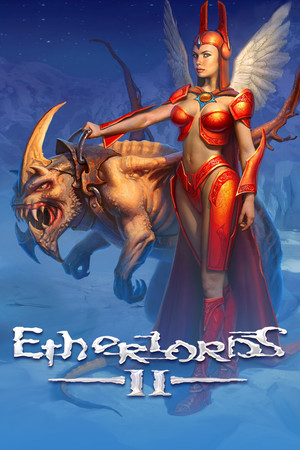
Etherlords II
Magic: The Gathering's tactical depth wedded to a Heroes of Might and Magic overworld - minus the grand strategy, plus a persistent hero who actually grows. Worth it if the card duels are the point.
GamerScout Verdict
Best for card-game tacticians who want a deep duel-focused campaign and can forgive a corridor-thin overworld.
Compare Prices(5 stores)
Every store in this table quotes us in euros, so the EUR figure is the price the seller actually set, not our arithmetic — which is why EUR is also the currency we rank in. We only list an offer here when the store gives us its price in euros, so nothing in this table is a number we invented.
Pick USD, PLN, GBP, CAD or AUD in the header and we convert from EUR at the European Central Bank reference rate — converted amounts are prefixed with ~. Your bank or the store may apply a different rate at checkout. We never hide offers based on where you are: everyone sees this whole table.
We may earn a commission when you buy games through links on this page — at no extra cost to you. It never affects our rankings or verdicts.
Price History
Screenshots & Media
About Etherlords II
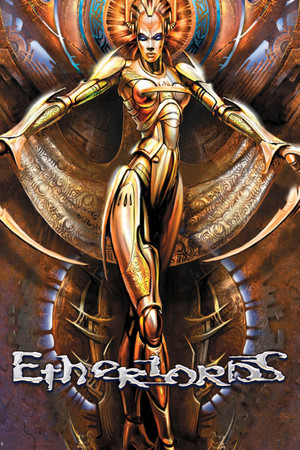
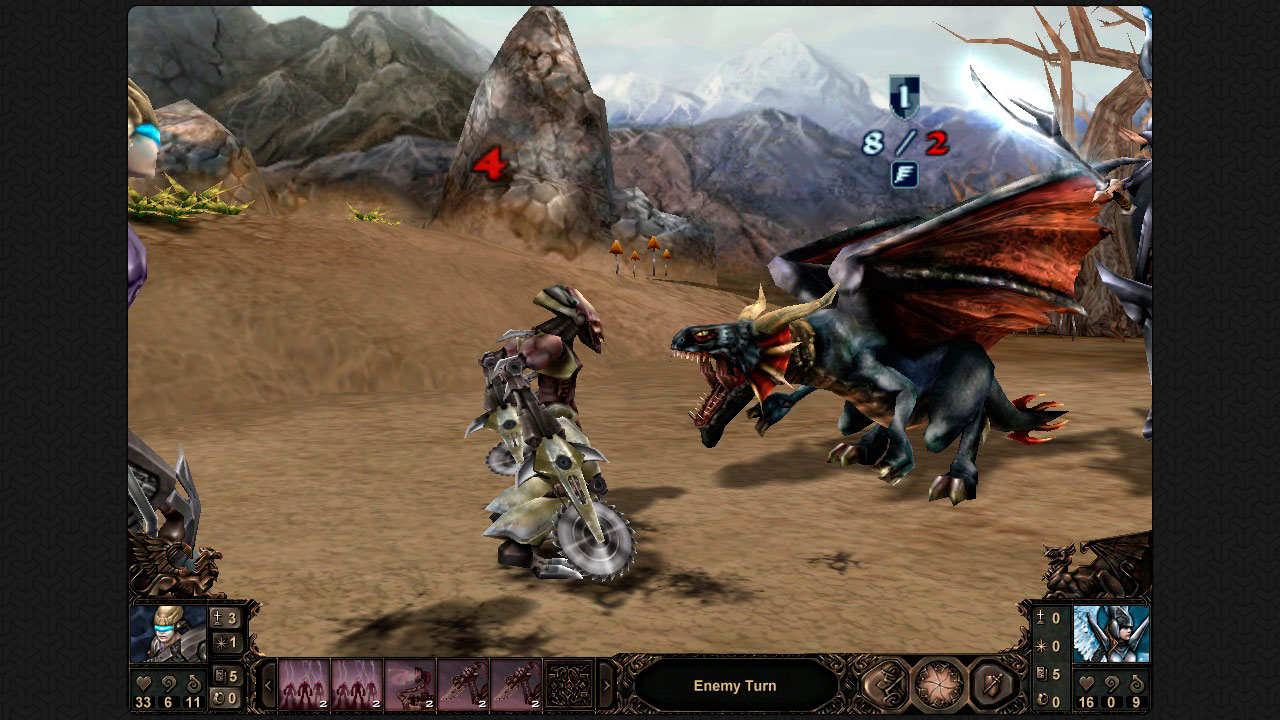
I keep a mental tier list of games that get the card-combat loop right without asking you to grind a gacha storefront, and Etherlords II has sat near the top of it for years. Nival built something genuinely unusual here: a turn-based RPG where everything outside of combat is a delivery mechanism for the dueling system, and the dueling system is strong enough to carry that weight most of the way. The structure has two distinct layers. On the overland map you control a single hero moving across a linear scenario in something closer to Diablo's style than a proper strategy game. You gather three types of resources used purely to buy spells at shops, pick up shrines that augment specific creature types, and fight wandering monsters for experience. The maps are corridors dressed up as open land, and the wagging-finger cursor you get whenever you mouse over decorative scenery will test your patience. If you came for emergent strategic decisions on a living world map, go play Heroes of Might and Magic V instead - Nival actually made that one too, and it gives you the full sandbox. But if you accept the overworld for what it is - a deck-building and leveling minigame between fights - it does its job. The combat is where every hour of patience gets paid back. The system is a direct descendant of Magic: The Gathering's rules: ether channels replace land cards, creatures rest instead of being tapped, and attackers deal damage first, which catches MTG veterans off-guard early. Each of the four factions (Chaots, Kinets, Vitals, and Synthets) plays with a distinct spell philosophy. Chaots lean into fire and lightning burst damage; Synthets favor mechanistic combos and artifact synergies. The critical mechanic that the sequel adds over the original is hero persistence across missions. You keep your deck, your experience, and your artifacts as you progress through each campaign's four missions, which means your early-game deck decisions compound into late-game consequences. That is exactly the kind of longitudinal progression hook that strategy players will recognize from campaign modes in proper 4X titles. The downside the community has consistently flagged is real: resource scarcity funnels you toward a small set of overpowered card combinations, and the RNG on draws can turn what should be a tactical fight into a coin-flip blowout. Outside the campaign, the game offers standalone AI duels with stock or custom decks, and a multiplayer suite that includes sealed-deck format (think Limited in paper Magic) and tournaments for up to eight players. The AI is a competent sparring partner for testing new deck configurations, though the online servers from the original release are long dead - any multiplayer today depends on direct connections or LAN. The camera during combat is the most frustrating technical issue: it sweeps automatically across the battlefield, and clicking during a sweep can misfire spells onto your own hero. You can disable the auto-sweep, but doing so locks out the four static camera view options mapped to F1-F4. Neither option is ideal. For a newcomer asking whether this is approachable: yes, more than its genre pedigree suggests. The ether channel system removes the land-screw problem that alienates new Magic players, and the campaign's pacing gives you time to learn card interactions before the fights get serious. The early missions are still unforgiving until your card pool expands, but push past that first campaign hump and the loop becomes genuinely hard to put down. Steam's 86% positive rating across over 350 user reviews is an honest signal for a game this old. At a Metacritic 78, critics called it correctly: the combat is excellent, the wrapping is serviceable.

Strategy & simulation
Tags
System Requirements
Minimum
- OS
- Windows
- Memory
- 128 MB RAM
- DirectX
- Version 7.0
- Storage
- 2 GB available space
- Graphics
- 3D-accelerator AGP with 16 Mb RAM
- Processor
- Pentium III 600 MHz
Recommended
- OS
- Windows
- Memory
- 256 MB RAM
- DirectX
- Version 7.0
- Storage
- 2 GB available space
- Graphics
- 3D-accelerator AGP with 32 Mb RAM
- Processor
- Pentium III 1.0 GHz
Keep exploring
Community Discussion
Be the first to comment on Etherlords II.
Reviews & Ratings
Game Info
- Developer
- Nival
- Publisher
- Nival
- Release Date
- Feb 13, 2014