Black Mirror
Gothic atmosphere done right, technical execution done very wrong. Worth a look for patient fans of moody mystery adventures, but only at a steep discount.
GamerScout Verdict
Best for patient gothic horror fans who can overlook clunky controls in exchange for a moody Scottish castle mystery.
Compare Prices(8 stores)
Every store in this table quotes us in euros, so the EUR figure is the price the seller actually set, not our arithmetic — which is why EUR is also the currency we rank in. We only list an offer here when the store gives us its price in euros, so nothing in this table is a number we invented.
Pick USD, PLN, GBP, CAD or AUD in the header and we convert from EUR at the European Central Bank reference rate — converted amounts are prefixed with ~. Your bank or the store may apply a different rate at checkout. We never hide offers based on where you are: everyone sees this whole table.
We may earn a commission when you buy games through links on this page — at no extra cost to you. It never affects our rankings or verdicts.
Price History
Screenshots & Media
About Black Mirror
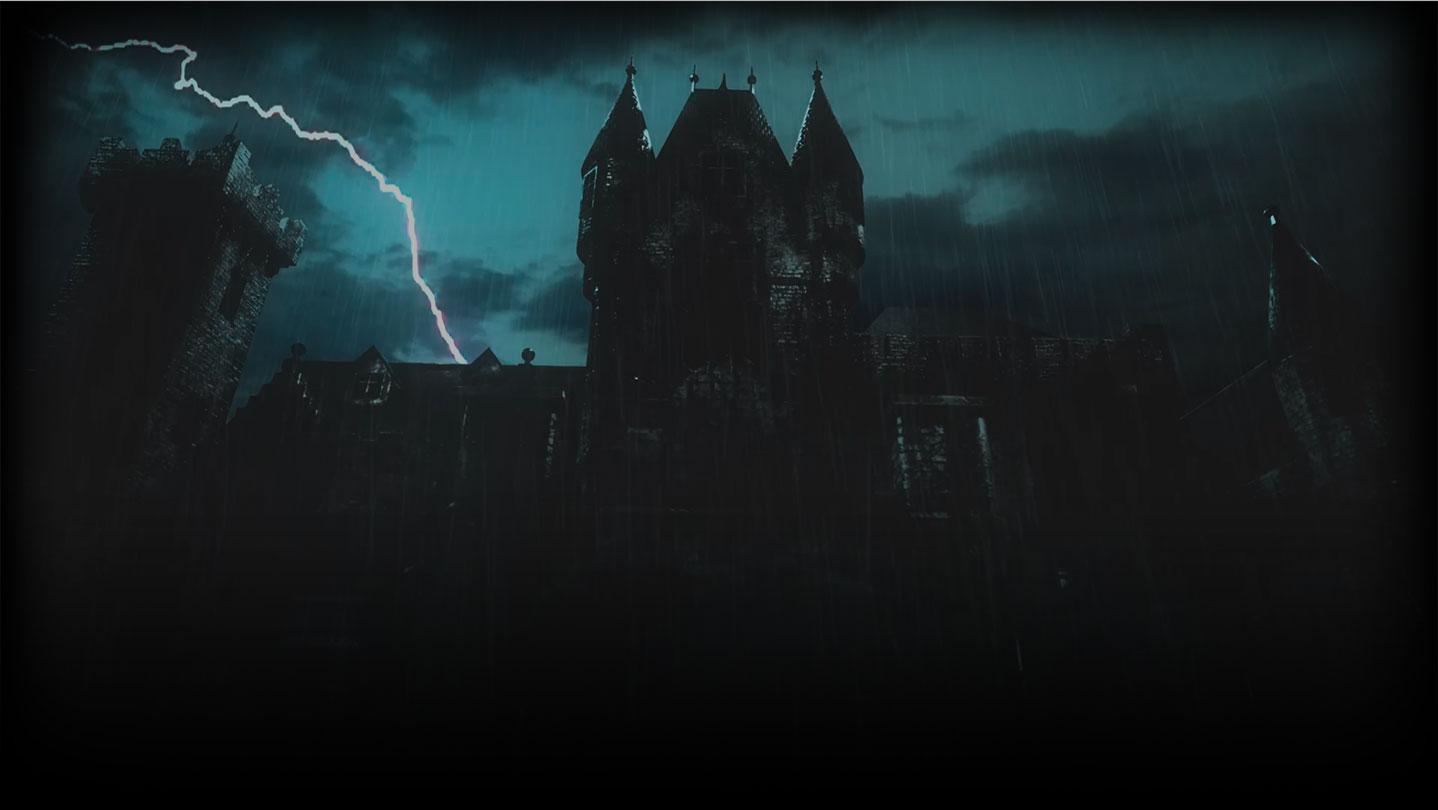
My first hour with Black Mirror had me genuinely hooked. The Scottish Highlands setting, the brooding Gordon family estate, candlelit corridors and a father's suspicious death all add up to exactly the kind of slow-burn occult mystery I have a weakness for. KING Art clearly understood the assignment on atmosphere. What followed over the next five hours, though, was a masterclass in squandering a good setup. The core loop is third-person exploration across the rooms of Black Mirror Castle, gathering clues, talking to guarded NPCs like the butler Angus or the gardener Rory, and piecing together what really happened to David's father. There are no combat sections. Progression comes from environmental puzzles, inventory use, and a mechanic where you witness ghostly visions of past events. The vision sequences look great on paper: echoes of the past that replay until you spot the relevant detail. In practice, the interaction rules are communicated poorly enough that several players have hit dead ends without understanding why. Puzzle design outside of those moments is more solid, with standout moments like manipulating a key's moving parts to match a lock pattern, or decoding a cipher built into a desk's own decoration. Those beats feel earned. The atmosphere and the puzzles fight a constant rear-guard action against the technical side of the game. The fixed camera rotates independently of your movement direction, meaning the same input that moved you forward a second ago now sends you sideways or backward. Room transitions require walking to an exit zone, so you exit rooms accidentally on a regular basis. Loading screens arrive every time you enter or inspect anything, and depending on your hardware they can stretch from uncomfortable to genuinely disruptive. Lip sync is poor across the board, animations are stiff, and the character models look a generation behind what the release year would suggest. Voice acting holds up better than the visuals, at least for the main cast. The story itself lands somewhere between promising and unfinished. The build-up through the first half is paced well, threading occult family history, Druidic references, and a rotating cast of characters who all have reasons to keep David in the dark. The back half rushes through revelations that needed more room to breathe, wrapping up threads in a way that feels abrupt rather than satisfying. At around six to eight hours total, the length is not the problem. The problem is that the final act spends that remaining runtime sprinting when it should be walking. Who is this for? Readers who enjoy gothic horror fiction, players who loved the atmosphere of games like The Vanishing of Ethan Carter, or anyone patient enough to accept that the controls are working against them rather than with them. Fans of the 2003 original should know this is a reboot with a new story and no point-and-click interface. It is a weaker game by most measures, but it is not a broken one. The atmosphere, the castle itself, and a handful of clever puzzles are real. They are just buried under rough edges that a few more months of polish would have fixed.

Catch-all
Tags
System Requirements
Minimum
- Processor
- Pentium(r) III 400 MHz (Or Equivalent)
- Memory
- 64 MB RAM
- Graphics
- DirectX compatible card
- DirectX
- Version 8.0 Hard Drive: 2 GB available space
- Sound Card
- Direct…
Recommended
- Processor
- Intel Core i7 3770 3,9 Ghz / AMD FX-8350 4 GHz
- Memory
- 8 GB RAM
- Graphics
- GeForce GTX960 / Radeon R9 290…
Keep exploring
Community Discussion
Be the first to comment on Black Mirror.
Reviews & Ratings
Game Info
- Developer
- KING Art
- Publisher
- THQ Nordic
- Release Date
- Nov 28, 2017