Wizorb
Tribute Games' debut is a tightly built Breakout-with-spells that earns its 81 Metacritic score the honest way: one clever mechanic stacked carefully on another, no filler.
GamerScout Verdict
Worth it for Breakout fans who set the difficulty high and don't mind a thin RPG layer wrapped around a smart spell system.
Compare Prices(6 stores)
Every store in this table quotes us in euros, so the EUR figure is the price the seller actually set, not our arithmetic — which is why EUR is also the currency we rank in. We only list an offer here when the store gives us its price in euros, so nothing in this table is a number we invented.
Pick USD, PLN, GBP, CAD or AUD in the header and we convert from EUR at the European Central Bank reference rate — converted amounts are prefixed with ~. Your bank or the store may apply a different rate at checkout. We never hide offers based on where you are: everyone sees this whole table.
We may earn a commission when you buy games through links on this page — at no extra cost to you. It never affects our rankings or verdicts.
Price History
Screenshots & Media
About Wizorb
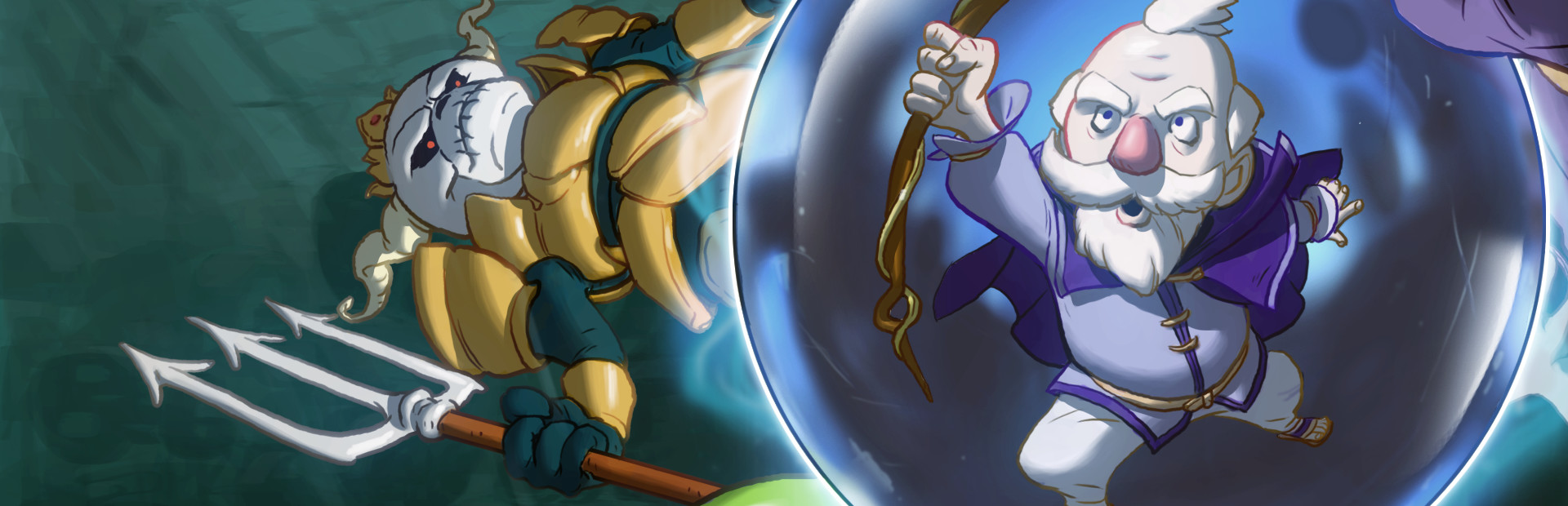
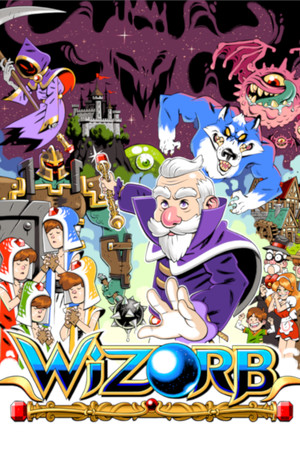
My first hour with Wizorb felt like finding a well-worn cartridge at the bottom of a box you forgot you owned. This is Tribute Games' debut title, a small, handcrafted thing that arrived on Steam in 2012 and still holds its shape better than a lot of what came after it. At its core it is a Breakout clone, yes, but calling it that and stopping there is like calling a good short story just a few pages of text. The wizard Cyrus bounces a magic orb off his wand-paddle across sixty levels spread across five worlds, from the ruined town of Clover through dense forests, dark mines, and up to Gorudo Castle atop Cauldron Peak. Each world ends with a boss encounter that asks you to keep the orb in play while dodging incoming attacks simultaneously, which sounds chaotic and occasionally is, in the best possible way. What Tribute got right is the magic system, and specifically how it addresses the exact moments where classic brick-breakers fall apart. There are four spells drawing from a shared magic meter: a fireball for direct targeting, a wind gust to redirect the orb mid-flight, a power enchantment that lets the ball plow through rows of blocks without stopping, and a remote-control mode that hands you direct steering for a few precious seconds. These are not cosmetic bonuses. By the midpoint of the game they become surgical tools you have to ration carefully, because mana potions drop from destroyed blocks and the meter does not regenerate on its own. The friction around that limited magic supply is the game's best design choice and also its sharpest edge: run dry at the wrong moment and you are back to watching the ball bounce helplessly past that last stubborn brick in the corner. Power-ups bought with collected gold, including magnetic ball, multi-ball, and wand size upgrades, can bridge those gaps, but they reset when the orb slips past you, so every life feels like a resource gamble. Between worlds there is a small village to rebuild. You donate gold to townspeople to restore homes and landmarks and receive useful items in return. It is a thin RPG layer, no quest log, no branching dialogue, and if you arrived expecting something closer to an action RPG you will feel that gap. The town functions more as a pacing breath and a gentle reward loop than a genuine second pillar. That is an honest limitation worth knowing upfront. What the pixel work and the sprite animation do accomplish is a convincing NES-to-SNES warmth. The character animation has genuine craft to it, the environments are varied enough across the five worlds to hold visual interest, and the whole thing carries the particular sincerity of a team that grew up playing the games they are echoing rather than just referencing their Wikipedia entries. The soundtrack is a point of mild contention in the community: functional and appropriately chiptune-flavored, but not quite the kind of score that lingers after the session ends. The difficulty selector deserves a specific warning. On the lower settings the orb moves slowly enough that early stages feel almost inert, and a significant portion of the mixed reception this game received on Steam traces directly back to players who quit during those opening hours on easy mode. Set it to the highest difficulty from the start if you have any history with Breakout, Arkanoid, or Taito's old arcade catalog. That choice transforms the mana mechanics and the continue system, which resets your progress to the beginning of each world if you exhaust your three continues, from mild nuisances into genuine stakes. The per-world restart penalty can sting on longer worlds that push past forty minutes, but each restart also genuinely improves your read on the level layouts, and that knowledge accumulates. Wizorb is the kind of short, precise indie that knows exactly what it is and does not apologize for the edges. It does not have the breadth to fill a week, and it does not pretend to. What it has is a small set of ideas, executed with care, that respect both the genre they came from and the player holding the mouse or the controller.

Indie & narrative
Tags
System Requirements
Minimum
- OS
- Windows XP or later
- Sound
- DirectX 9.0c compatible sound card
- Memory
- 1 GB RAM
- DirectX®
- 9.0c
- Processor
- Dual-core processor (Intel Dual Core 2.0 GHz or AMD Athlon X2 5200+ 2.6 GHz)
- Hard Drive
- 250 MB HD space
Keep exploring
Community Discussion
Be the first to comment on Wizorb.
Reviews & Ratings
Game Info
- Developer
- Tribute Games Inc.
- Publisher
- Tribute Games Inc.
- Release Date
- Mar 14, 2012