Ninja Senki DX
A micro-sized NES revenge fantasy that respects your muscle memory and absolutely will not hold your hand, ideal for Mega Man devotees who want their shuriken fix without the bloat.
GamerScout Verdict
Built for Mega Man devotees who want a two-hour NES throwback with genuine challenge modes and a soundtrack worth keeping.
Compare Prices(4 stores)
Every store in this table quotes us in euros, so the EUR figure is the price the seller actually set, not our arithmetic — which is why EUR is also the currency we rank in. We only list an offer here when the store gives us its price in euros, so nothing in this table is a number we invented.
Pick USD, PLN, GBP, CAD or AUD in the header and we convert from EUR at the European Central Bank reference rate — converted amounts are prefixed with ~. Your bank or the store may apply a different rate at checkout. We never hide offers based on where you are: everyone sees this whole table.
We may earn a commission when you buy games through links on this page — at no extra cost to you. It never affects our rankings or verdicts.
Price History
Screenshots & Media
About Ninja Senki DX
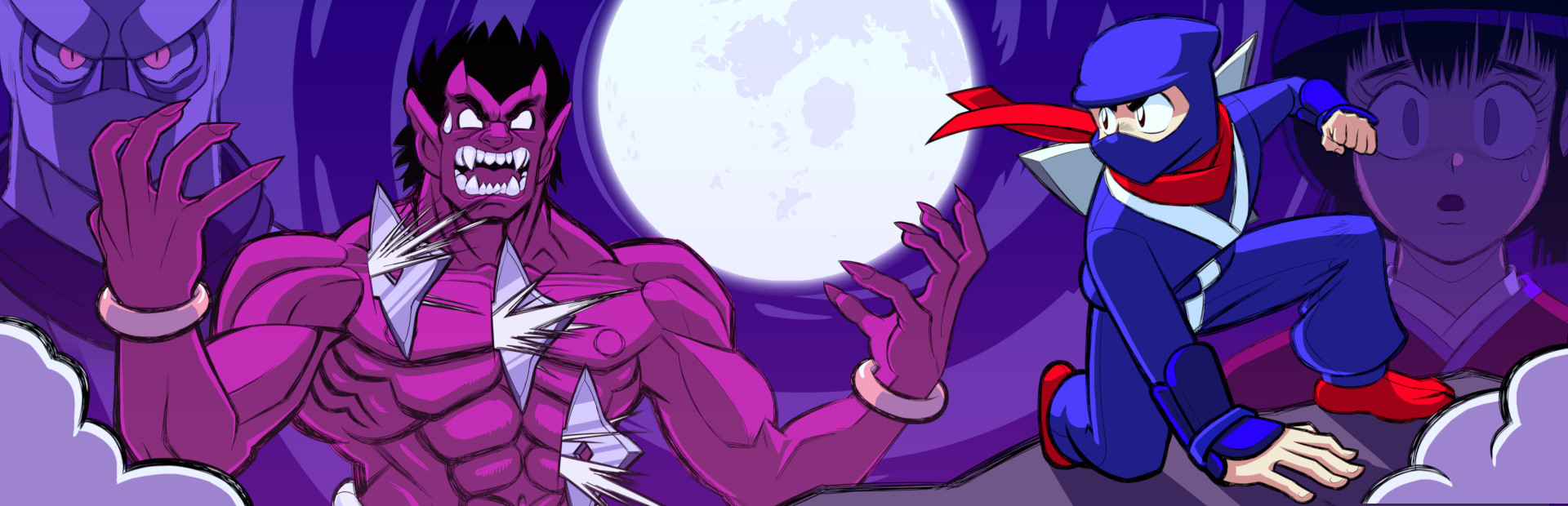
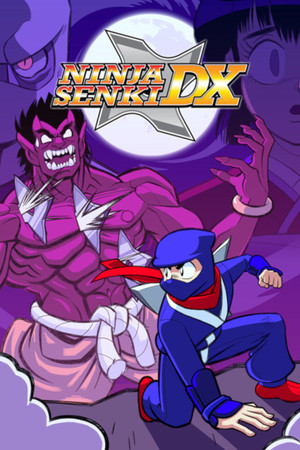
My first few minutes with Ninja Senki DX felt like finding an old cartridge wedged behind a radiator: instantly familiar, slightly punishing, and completely unapologetic about what it is. Tribute Games took a 2010 freeware project by co-founder Jonathan Lavigne, polished it for its fifth anniversary, and released it as this DX edition, a side-scrolling action platformer built on a two-button control scheme so stripped down it almost dares you to underestimate it. Jump, double-jump, throw shurikens at anything that moves. That is the whole vocabulary. What the game does with that vocabulary across 16 linear scenes, though, is genuinely considered. Enemies pulled straight from Japanese folklore, oni, rival ninjas, umbrella beasts, each demand a slightly different rhythm of movement and pre-firing, and learning those rhythms is the quiet pleasure the game hides behind its unassuming pixel art. The comparison everyone reaches for is Mega Man, and it is not wrong. The jump-and-chuck loop, the checkpoint structure, the scoring system where defeated enemies and collected koban coins either refill your health or convert to an extra life, all of it carries that same careful NES-era arithmetic. The DX version layers in three additional modes on top of the base campaign: Hardcore Mode strips out save progress and punishes continues heavily, Boss Rush distills the game to its pattern-recognition peaks, and Challenge Mode tasks you with clearing each of the 16 stages under specific conditions such as enemy-kill-all runs or time limits. A Ronin secret mode lets you play through as Musashi, one of the samurai enemy types, which is the kind of small handcrafted bonus that quietly signals genuine affection for the project. The soundtrack is where I want to linger for a moment, because it earns it. Composer Patrice Bourgeault's arranged score sits alongside the original chip music as a toggleable option, and the arranged version adds warm layering without softening the crunch. It sounds like someone who studied what made those Famicom sound chips feel alive and then rebuilt that feeling with modern tools. The pixel art, meanwhile, operates at a resolution that gives the whole thing a compressed, almost Game Boy-sized intimacy, which is both a stylistic strength and the source of the game's most legitimate criticism. The narrow viewport means enemies frequently enter from just off-screen, so the middle act of learning each stage involves dying to ambushes you could not have seen coming. For some players that reads as authentic 8-bit design; for others it tips into cheap. I land somewhere in the middle: it stings on first contact but rarely feels malicious once you know the layouts. Content-wise, honesty is required. The main campaign runs roughly two hours at a competent pace. The extra modes add replay for people who want a speedrunning skeleton to work around, but if that community angle does not interest you, the ceiling drops fast. The game originated as freeware and still carries some of that brevity, it knows its length and does not pretend otherwise. What it does ask is that you show up with patience for trial-and-error learning and some tolerance for a viewport that will occasionally feel conspiratorially small. Who is this for, practically speaking: anyone who grew up with Ninja Gaiden or the early Mega Man games and wants something that respects that lineage without dressing it in irony or post-modern commentary. It is a quiet, handmade thing that does not overstay its welcome, and the DX additions give veterans of the freeware original a real reason to return.

Indie & narrative
Tags
System Requirements
Minimum
- OS
- Vista or later
- Memory
- 512 MB RAM
- Storage
- 50 MB available space
- Graphics
- 256 MB
- Processor
- Intel Core™ Duo or faster
Keep exploring
Community Discussion
Be the first to comment on Ninja Senki DX.
Reviews & Ratings
Game Info
- Developer
- Tribute Games Inc.
- Publisher
- Tribute Games Inc.
- Release Date
- Feb 23, 2016