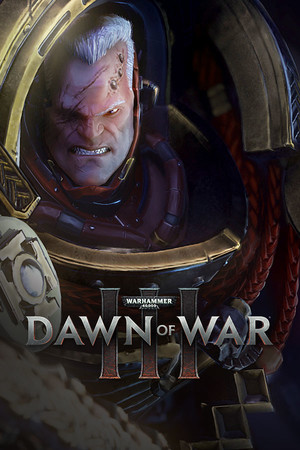
Warhammer 40000: Dawn of War (Master Collection) Steam Key
Four games, nine factions, and two decades of reputation: the complete Dawn of War 1 saga is still one of the sharpest squad-based RTS packages on PC.
GamerScout Verdict
Best for RTS fans who want faction depth and a meaty single-player arc, and are willing to overlook dated visuals to get it.
Compare Prices(0 stores)
Loading prices...
We may earn a commission when you buy games through links on this page — at no extra cost to you. It never affects our rankings or verdicts.
Price History
Screenshots & Media
About Warhammer 40000: Dawn of War (Master Collection) Steam Key
Warhammer 40,000: Dawn of War - Master Collection bundles the original Game of the Year Edition together with all three expansions - Winter Assault, Dark Crusade, and Soulstorm - into a single package covering the full arc of Relic's first Dawn of War generation. At its core this is a squad-based real-time strategy game that deliberately rejects the resource-harvesting grind of its contemporaries. Instead of spending the first ten minutes of every match mining gold, you push squads outward to capture and hold strategic points and power nodes, which forces contact from the very first minute and keeps the tempo relentlessly aggressive. Cover, squad morale, and melee-versus-ranged unit synergy sit on top of that foundation, giving each engagement a small-unit-tactics texture that feels closer to a tabletop game than a macro economy simulator. The faction count is where the collection earns its value proposition. The base game opens with Space Marines, Orks, Chaos Space Marines, and Eldar - four distinct tech trees with meaningfully different playstyles. Winter Assault adds the Imperial Guard, bringing heavy armor, Basilisk artillery, and a massed-infantry doctrine. Dark Crusade contributes the Tau (rapid long-range fire support, no melee to speak of) and the Necrons, who scrap the Requisition economy entirely, move at a pace that would embarrass a glacier in the early game, but snowball into a near-unkillable late-game force once the Monolith comes online. Soulstorm rounds the roster to nine with Sisters of Battle and Dark Eldar, and also adds an aerial unit to every faction, though community consensus has always been that the aircraft layer introduced more balance headaches than tactical depth - Soulstorm is the weakest entry by most accounts, and the one Relic itself kept the most distance from. From a campaign architecture standpoint, the collection offers two distinct modes of play. The original game and Winter Assault tell linear, story-driven campaigns - the base game follows the Blood Ravens chapter in a Blood Ravens-centric narrative of treason and conspiracy that holds up as genuinely solid Warhammer fiction. Winter Assault lets you pick between Order (Imperial Guard and Eldar) or Disorder (Orks and Chaos) paths on the frozen planet Lorn V. Dark Crusade and Soulstorm switch to a non-linear meta-campaign format where you pick a faction and conquer territory on a strategic map, with each opponent's home territory defended by a unique Stronghold mission. Dark Crusade's version, set on Kronus, is the tighter and better-executed of the two meta-campaigns - persistent base structures between sessions reward methodical expansion, and the Stronghold missions have genuine variety. Soulstorm scales the map to an interplanetary system but drops persistent structures, which removes a meaningful layer of strategic carry-over. For newcomers worried about the age of the engine, the adjustment period is short. The resource loop is simple enough to internalize in one skirmish match, and the campaign difficulty curve in the original game is genuinely newcomer-friendly. Where it gets demanding is in the meta-campaigns, where aggressive AI expansion on Normal can force you into a time-pressure scramble for territory that punishes passive play - the kind of situation where you realize too late that you needed to reinforce three provinces before pushing the enemy's Stronghold. The mod ecosystem extends the shelf life considerably: Soulstorm in particular carries an active modding community, with overhauls that restore cut content, rebalance factions, and add new units across all races. If you want something closer to the tabletop balance, community mods exist specifically for that. The honest caveat is age. Graphics are early-2000s, multiplayer populations outside Soulstorm have thinned significantly, and some UI choices that felt standard in 2004 now feel clunky next to modern RTS design. None of that changes the fact that the decision-making depth - faction selection, territory sequencing, unit composition, cover exploitation, knowing when to push a Stronghold versus consolidating your flanks - still holds up as a legitimate strategy workout. This collection is the most cost-efficient way to play the whole first-generation Dawn of War arc, and for anyone who has never touched it, starting with the base game campaign and working forward chronologically is the correct approach.

Strategy & simulation
Tags
System Requirements
Minimum
- Memory
- 256 MB RAM
- Storage
- 4.5 GB hard drive space
- Graphics
- 32 MB DirectX 9.0c AGP Hardware Transmation Lighting
- Processor
- 1.8 Ghz Intel Pentium III AMD Athlon XP
- System requirements
- Windows 2000/XP
Recommended
- Memory
- 512 MB system RAM
- Graphics
- nVidia GeForce 3 or ATI Radeon 8500 64 MB Video RAM
- Processor
- 2.4 GHz Intel Pentium 4
Keep exploring
Community Discussion
Be the first to comment on Warhammer 40000: Dawn of War (Master Collection) Steam Key.
Reviews & Ratings
No ratings available
Game Info
- Developer
- Relic Entertainment
- Publisher
- SEGA
- Release Date
- Jan 1, 2006