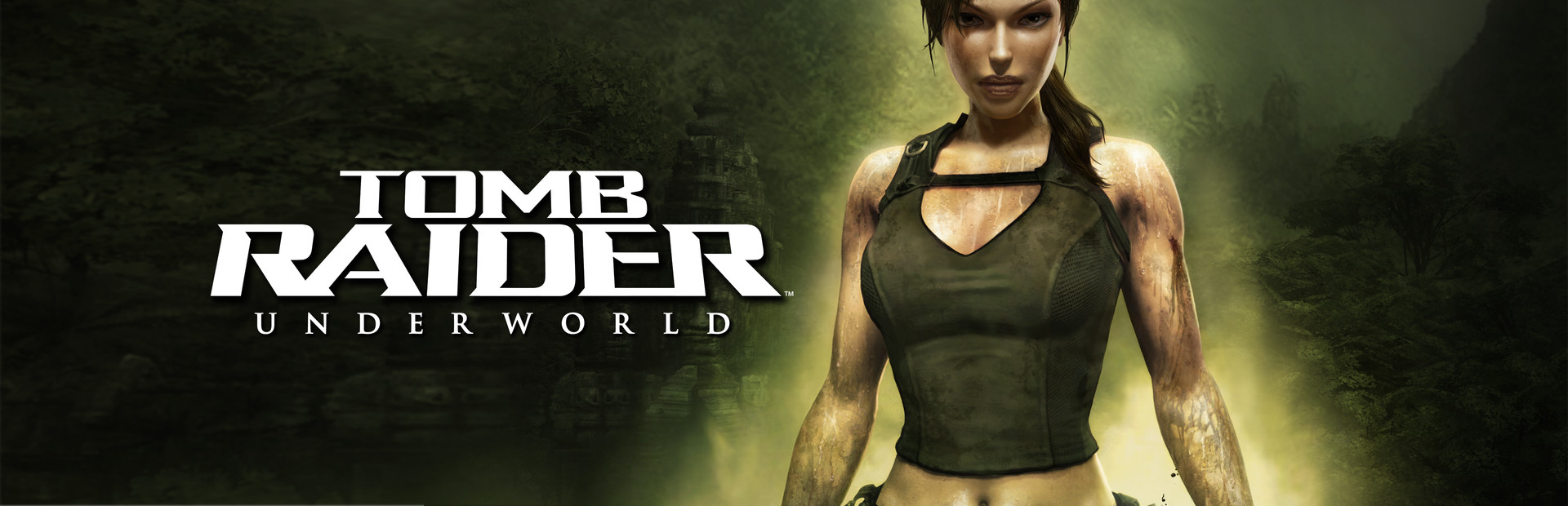
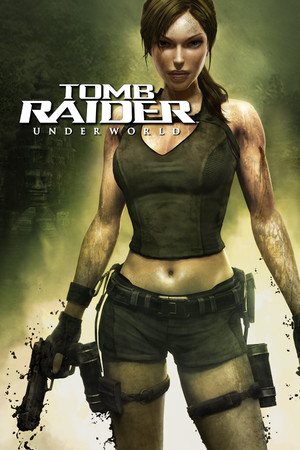
Tomb Raider: Underworld
The closing chapter of Crystal Dynamics' Legend trilogy wraps Lara's Norse mythology arc in gorgeous environments, then asks you to wrestle a broken camera the whole way through. Worth it for series fans, frustrating for newcomers.
GamerScout Verdict
Best for Legend trilogy fans who want narrative closure; newcomers will fight the camera more than the enemies.
Compare Prices(7 stores)
Every store in this table quotes us in euros, so the EUR figure is the price the seller actually set, not our arithmetic — which is why EUR is also the currency we rank in. We only list an offer here when the store gives us its price in euros, so nothing in this table is a number we invented.
Pick USD, PLN, GBP, CAD or AUD in the header and we convert from EUR at the European Central Bank reference rate — converted amounts are prefixed with ~. Your bank or the store may apply a different rate at checkout. We never hide offers based on where you are: everyone sees this whole table.
We may earn a commission when you buy games through links on this page — at no extra cost to you. It never affects our rankings or verdicts.
Price History
Screenshots & Media
About Tomb Raider: Underworld
My first impression of Tomb Raider: Underworld was that Crystal Dynamics had genuinely outdone themselves on the art side - ruins etched with fine stone detail, lush Mexican jungles, frozen Arctic islands, and underwater sequences that still hold up. Then the camera swung into a wall during a platforming sequence and reminded me exactly what era this is from. That tension between stunning presentation and persistent technical friction defines the whole experience. As the closing entry in the Legend continuity trilogy, Underworld pulls double duty: it wraps up the storyline started in Legend while weaving in threads from Anniversary, grounding everything in Norse mythology as Lara hunts for Thor's hammer across locales spanning coastal Thailand, the Arctic Sea, and Mayan ruins in Mexico. The story is darker and more emotionally punishing than either predecessor, and if you have any investment in where Lara's arc with her mother lands, the payoff is genuinely affecting. The scenario was co-written by series co-creator Toby Gard, and his fingerprints show - the scripting feels more considered than standard action-adventure fare of the period. Gameplay leans heavily toward exploration and environmental puzzles over combat, which is the right call because the combat is the weakest part of the package. The dual-target system and the ability to shoot while suspended from the grapple hook add some flair, but enemies stand in place and absorb bullets without putting up much of a fight. There is no cover system, so encounters devolve into strafe-and-shoot repetition. Fortunately, fights are sparse. Where the game earns its keep is in its large multi-stage puzzle rooms - each level functions as an elaborate environmental problem to untangle, with Lara's expanded acrobatic toolkit (wall-shimmy traversal, agile dodges, motion-captured movement that feels noticeably more natural than Legend) doing most of the heavy lifting. The Active Sonar map and in-game hint system via Lara's PDA give the game a mild accessibility layer that was ahead of its time for the series. Boss encounters are designed as puzzles rather than straight combat, which suits the game's identity. The rough edges are real, though. The camera is the loudest recurring complaint across every review from launch to today, and it earns every bit of criticism - it struggles to keep up during fast traversal and consistently fails during tight climbing sections. Collision detection has its moments of absurdity: ledges that look climbable won't register, and geometry can swallow Lara whole. The game is also short, running noticeably quicker than Legend for an experienced player, and secrets hunting adds little replay incentive. PC players have additionally flagged controller input quirks that can reset settings mid-session. None of this is showstopping if you go in with calibrated expectations, but it makes the experience feel rushed - which, given that the team was simultaneously shipping Anniversary and dealing with a staff shortage during production, it arguably was. For anyone who played Legend and wants to see where that story ends up, Underworld delivers a satisfying conclusion with some of the best-looking environments Crystal Dynamics had produced at that point in time. For a player coming in cold with no prior attachment to the Legend continuity, the camera and clipping issues will likely outweigh the pleasures of its puzzle design. Go in as a fan of the trilogy, not as someone expecting a tightly-polished action game.

Catch-all
Tags
System Requirements
Minimum
- Memory
- 1GB (Windows XP) / 2GB (Windows Vista) system memory
- Processor
- Intel Pentium 4 3+GHz or AMD Athlon 2.5+GHz
- Sound Card
- Direct X 9.0c compatible sound card and drivers
- Supported OS
- Microsoft Windows XP (admin rights required)/Microsoft Windows Vista (admin rights required)
- Graphics Card
- NVIDIA GeForce 6 series 6800GT (or better) / ATI 1800XT (or better)
- Hard Drive Space
- 8 GB Free Space
Recommended
- Memory
- 2 GB system memory
- Processor
- Intel Core 2 Duo 2.2 GHz or Athlon 64 X2 4400+
- Controller
- Microsoft Xbox360 Controller
- Sound Card
- Direct X 9.0c compatible sound card and drivers
- Supported OS
- Microsoft Windows XP (admin rights required)/Microsoft Windows Vista (admin rights required)
- Graphics Card
- NVIDIA GeForce 9800 GTX or ATI HD4800
- Hard Drive Space
- 8 GB Free Space
Keep exploring
Community Discussion
Be the first to comment on Tomb Raider: Underworld.
Reviews & Ratings
Game Info
- Developer
- Crystal Dynamics
- Publisher
- Crystal Dynamics
- Release Date
- Nov 21, 2008