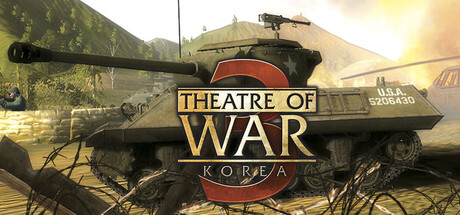
Theatre of War 3: Korea
A 49-Metacritic wargame that covers one of history's most neglected conflicts but buries any good ideas under broken pathfinding, frequent crashes, and a tutorial that actively works against you.
GamerScout Verdict
Only for committed Korean War wargame enthusiasts who can tolerate broken pathfinding, crashes, and zero active multiplayer.
Compare Prices(8 stores)
Every store in this table quotes us in euros, so the EUR figure is the price the seller actually set, not our arithmetic — which is why EUR is also the currency we rank in. We only list an offer here when the store gives us its price in euros, so nothing in this table is a number we invented.
Pick USD, PLN, GBP, CAD or AUD in the header and we convert from EUR at the European Central Bank reference rate — converted amounts are prefixed with ~. Your bank or the store may apply a different rate at checkout. We never hide offers based on where you are: everyone sees this whole table.
We may earn a commission when you buy games through links on this page — at no extra cost to you. It never affects our rankings or verdicts.
Price History
Screenshots & Media
About Theatre of War 3: Korea
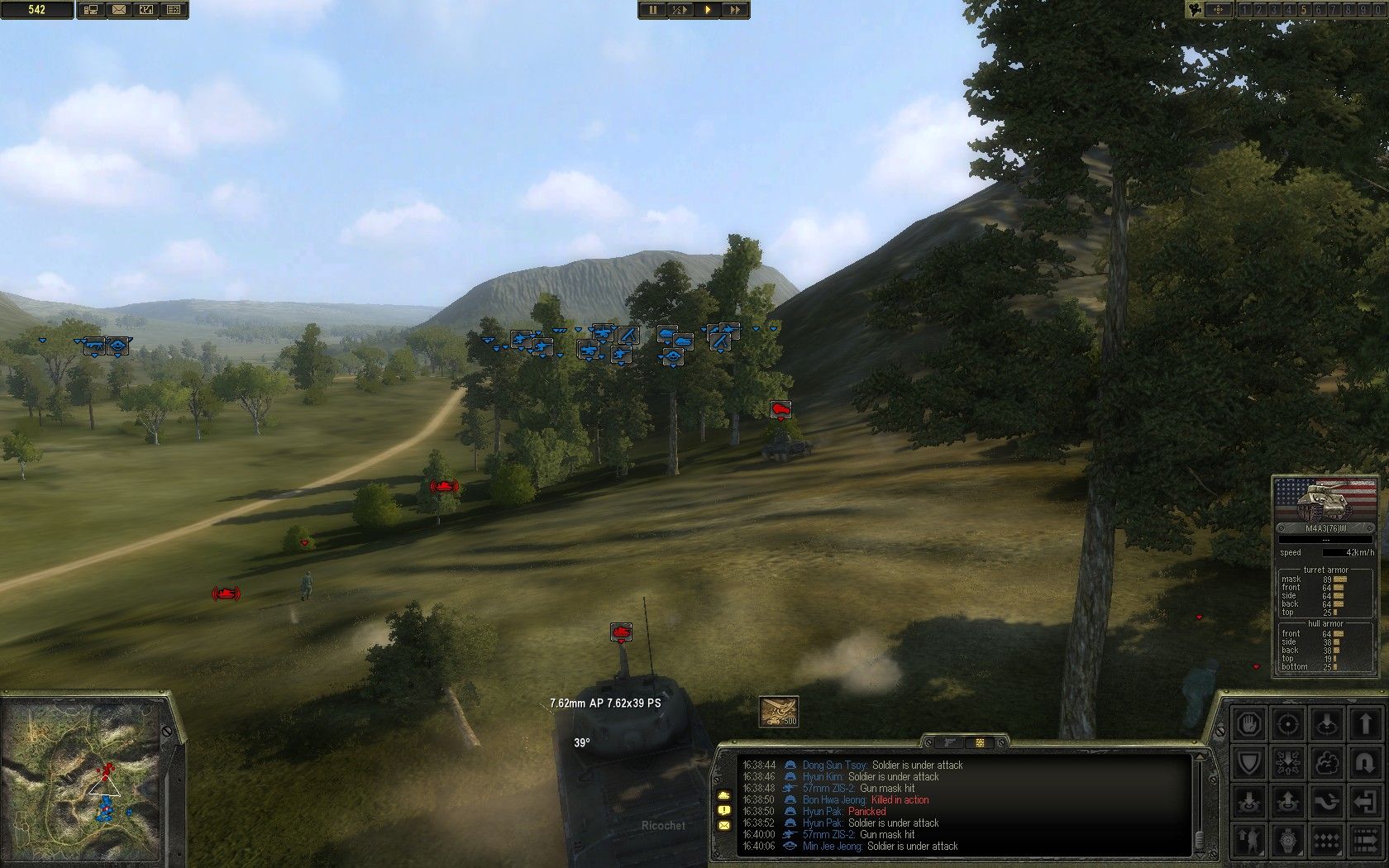
I came to Theatre of War 3: Korea the same way I come to most niche strategy titles: hoping the subject matter would compensate for the rougher edges. The Korean War is genuinely underserved in gaming, and the pitch here is solid on paper. Two dynamic campaigns, one playing as North Korea across the summer of 1950 and one as the Americans in the fall counteroffensive, each built around a non-linear strategic map where you shuffle battlegroups between provinces before the action drops into real-time tactical combat. There is even a campaign generator that adds a USSR faction for what-if scenarios. That is a more interesting structural idea than a list of scripted missions, and I will give the developers credit for trying something different for the series. The tactical layer is where it all starts to unravel. The unit roster has genuine variety: infantry squads tracked down to individual ammo counts and morale values, tanks with modeled armor thickness, artillery, air strikes, mortar barrages, and transport helicopters that were new to the series at launch. On paper that level of detail is appealing. In practice, the squad-based control system is plagued by pathfinding that ranges from tolerable to actively hostile. Units ignore orders, freeze mid-move, or bunch together in corners until you manually coax them loose. Infantry has no meaningful cover system, which guts any sense of tactical positioning. The AI, both friendly and enemy, compounds the problem rather than masking it. When combat does click, leveling a position with armor or calling in a mortar barrage feels appropriately punchy, but those moments are too infrequent to build any momentum. Performance was poor at launch and the situation has not magically improved with age. Reviewers at release documented multi-second freezes mid-combat, load screens long enough to suggest a crash, and outright crashes during play. The graphics were already behind comparable titles in 2011 and look blurrier still today. Sound design is thin: repetitive battle effects, sparse voice work, and a music slider in the options menu that is disabled by default with the manual literally suggesting you import your own music. That detail alone tells you a lot about the polish level here. The tutorial, meanwhile, is a series of text prompts with no UI signposting, and it will lock you out of subsequent tutorial stages without explanation if you miss a step. The multiplayer exists, listed as PvP and co-op, but the concurrent player count on Steam has sat at effectively zero for years. That is not a rounding error; that is a dead lobby. If you were hoping the online modes would extend the life of an otherwise rough singleplayer package, set that expectation aside now. The scenario and mission editors are functional and could theoretically give a dedicated modder something to work with, but the community never materialized at the scale needed to make that matter. For hardcore Korean War history enthusiasts who already know the Theatre of War series and can tolerate its long-established friction, there is a buried tactical game here that does model an interesting conflict with some real unit detail. Everyone else will hit the first broken pathfinding moment and ask themselves why they are not playing Combat Mission instead.

Shooters
Tags
System Requirements
Minimum
- OS
- Windows XP or Vista
- Other
- High-speed cable connection is recommended.
- Memory
- 2GB
- Graphics
- nVidia GeForce 6600 or ATI Radeon X800 with 256MB RAM or better
- DirectX®
- 9.0c
- Processor
- Intel Core 2 Duo or AMD Athlon64 X2 with 2,4GHz or better
- Hard Drive
- 2GB
Recommended
- OS
- 64-bit Windows Vista or Windows 7
- Other
- High-speed cable connection is recommended.
- Memory
- 4GB
- Graphics
- nVidia GeForce 8800 or AMD Radeon HD 4850 with 512MB RAM or better
- Processor
- Intel Core 2 Duo and above or AMD Phenom II (3GHz or better)
- Hard Drive
- 2GB
Keep exploring
Community Discussion
Be the first to comment on Theatre of War 3: Korea.
Reviews & Ratings
Game Info
- Developer
- Fulqrum Publishing
- Publisher
- Fulqrum Publishing
- Release Date
- Mar 24, 2011