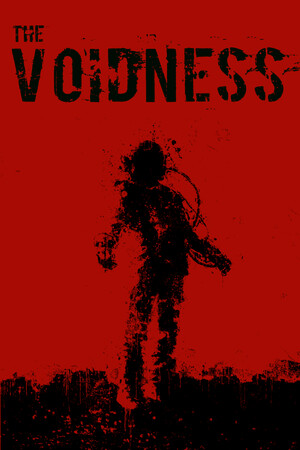
The Voidness - Lidar Horror Survival Game
Imagine Alien Isolation's tension stripped down to a single mechanic: you can only see what you actively scan. That concept alone carries The Voidness further than its indie budget has any right to.
GamerScout Verdict
Worth it for the LIDAR concept and mic mechanic, but go in knowing it is a short, single-enemy experience from a one-person studio.
Compare Prices(3 stores)
Every store in this table quotes us in euros, so the EUR figure is the price the seller actually set, not our arithmetic — which is why EUR is also the currency we rank in. We only list an offer here when the store gives us its price in euros, so nothing in this table is a number we invented.
Pick USD, PLN, GBP, CAD or AUD in the header and we convert from EUR at the European Central Bank reference rate — converted amounts are prefixed with ~. Your bank or the store may apply a different rate at checkout. We never hide offers based on where you are: everyone sees this whole table.
We may earn a commission when you buy games through links on this page — at no extra cost to you. It never affects our rankings or verdicts.
Price History
Screenshots & Media
About The Voidness - Lidar Horror Survival Game
I'll be straight with you - the LIDAR mechanic here is the whole game, and that is simultaneously its strongest asset and its ceiling. You play as Francesca Lee, a mission specialist stranded on planet Tenebris after her crew vanishes, and the only tool standing between you and total blindness is a range-finder scanner that paints the world in colorful particle clouds one pulse at a time. Holding down the scanner fire button gradually illuminates walls, corridors, alien root structures, and the red humanoid entities stalking you. Let the scan lapse and the world dissolves back into nothing. That constant loop of scan, memorize, move, repeat is genuinely tense in a way that a lot of bigger-budget horror games fail to manufacture. The stealth and survival systems stack on top of the scanning in smart ways. Stepping on broken glass or knocking over objects makes noise that draws the creatures. The stamina bar is deliberately short, so sprinting is a last resort rather than an opener. The hiding system - crawling under tables to wait out a pursuing entity - works on paper, though some players have noted you cannot scan directly in front of you while hiding, which creates a frustrating blind spot at the worst possible moments. The microphone input feature, where a creature can literally hear you breathing through your real mic while you are in hiding, is the standout trick. The first time it actually responds to ambient noise in your room, the game earns genuine respect. It is optional, but turning it on changes the entire texture of a hiding encounter. Scanner upgrades let you expand beam width and change scan direction - vertical, horizontal, coverage radius - so there is a light build progression to think about as you find supplies and health packs across the level-based structure. Where the game stumbles is in scope and enemy variety. There is effectively one enemy type - the red humanoid entity - and it patrols every level until the credits roll. The jump-scare scripting becomes predictable by the midpoint, and the periodic LIDAR reboot events that wipe your entire scanned view are designed to jolt you but land closer to tedious than terrifying after the third or fourth occurrence. The scanner turrets scattered through each level are a missed opportunity too: they tend to illuminate minor corners rather than the contested chokepoints where real tension could be built. Player feedback consistently asks for more variety in the hiding system beyond table-crouching, and that is a fair criticism. The game is also on the shorter side - most players finish it in a single sitting - which suits the game's breezy price point but leaves you wanting the concept pushed further. This was built by a single developer at Steelkrill Studio, the same person behind The Backrooms 1998 and Trenches, and that context matters for managing expectations. The LIDAR visual style - particle clouds building a colorful point-cloud world out of total darkness - is the most striking thing in the solo indie horror space right now. The sound design is well-calibrated, and the atmosphere of absolute isolation on Tenebris holds up throughout. It has pulled a Mostly Positive rating on Steam from over 200 reviews, which is an honest signal for a solo-dev horror game with one genuinely original mechanic at its center. If you have a friend willing to sit in the room with you and watch, the co-op support means the misery is shareable. Gamepad support has had reported issues, so keyboard and mouse is the safer play.

Strategy & simulation
Tags
System Requirements
Minimum
- OS
- Windows 7 64-Bit or later
- Memory
- 4 GB RAM
- Storage
- 2 GB available space
- Graphics
- NVIDIA GeForce GTX 660 2 GB or AMD equivalent
- Processor
- Intel Core i5 2500K or AMD equivalent
Recommended
- OS
- Windows 10 64-Bit
- Memory
- 8 GB RAM
- Storage
- 2 GB available space
- Graphics
- NVIDIA GeForce GTX 970 or AMD equivalent
- Processor
- Intel Core i7 4790K or AMD equivalent
Keep exploring
Community Discussion
Be the first to comment on The Voidness - Lidar Horror Survival Game.
Reviews & Ratings
No ratings available
Game Info
- Developer
- Steelkrill Studio
- Publisher
- Steelkrill Studio
- Release Date
- Oct 30, 2023