The Last Spell
Surviving one more night with three heroes against literal hundreds of undead is the whole loop, and it turns out that loop is extremely hard to put down. Tactical RPG meets roguelite meets horde defense, and all three gears actually mesh.
GamerScout Verdict
Built for players who want tactical RPG depth inside a roguelite structure and do not mind a rough first few hours finding their footing.
Compare Prices(5 stores)
Every store in this table quotes us in euros, so the EUR figure is the price the seller actually set, not our arithmetic — which is why EUR is also the currency we rank in. We only list an offer here when the store gives us its price in euros, so nothing in this table is a number we invented.
Pick USD, PLN, GBP, CAD or AUD in the header and we convert from EUR at the European Central Bank reference rate — converted amounts are prefixed with ~. Your bank or the store may apply a different rate at checkout. We never hide offers based on where you are: everyone sees this whole table.
We may earn a commission when you buy games through links on this page — at no extra cost to you. It never affects our rankings or verdicts.
Price History
Screenshots & Media
About The Last Spell
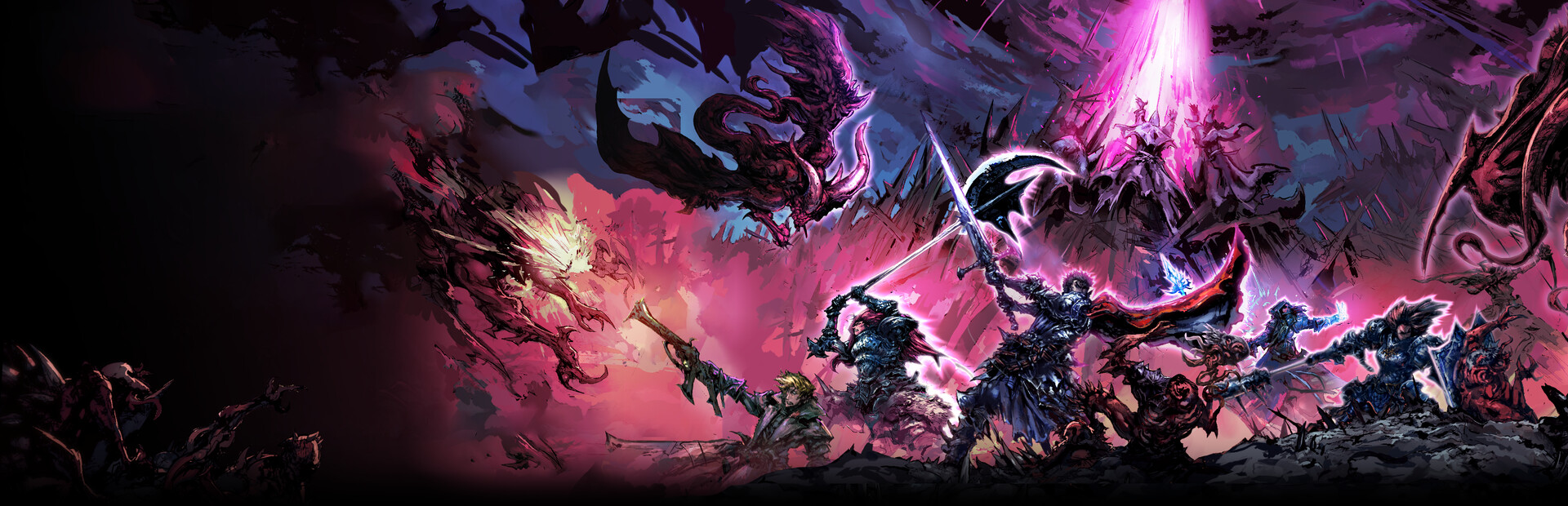
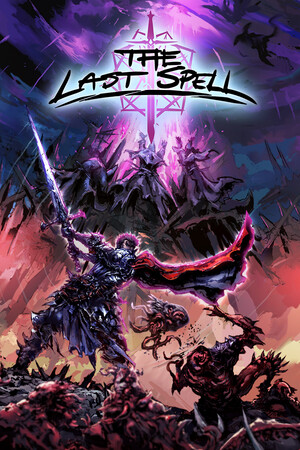
I went in expecting something closer to a lean tower-defense puzzler. What I got instead was closer to a brutal puzzle-box that rebuilds itself every run, and I lost two evenings before I fully understood why. The Last Spell is a turn-based tactical RPG layered on top of a roguelite progression system layered on top of a horde-defense structure, and Ishtar Games somehow made all three of those systems speak to each other rather than fight for attention. The day-night cycle is the engine of everything: during production phases you repair barricades, hire workers, build support structures, and equip your small squad with whatever the shop rolled this cycle. Then night arrives and the mist vomits hundreds of Clawers at your walls. Your three-to-five heroes are all you have. That tension is not accidental design. The combat is where the decision depth actually lives, and strategy players will immediately start running the numbers. Each hero gets a pool of action points per turn and a moveset entirely determined by their equipped weapons. The weapon list is generous: spears, two-handed axes, swords, hand crossbows, magic orbs, druid staves, pistols, war hammers, and more, with each weapon offering distinct range profiles, area-of-effect footprints, debuff packages, and movement interactions. Characters can carry two weapon sets and swap freely, which opens hybrid builds that feel genuinely clever rather than just statistically optimal. Leveling adds a second layer of randomness: each level you pick from two batches of stats, and the chance to double a roll means a mage can end up with enough armor to play frontline. The system rewards players who read the options carefully and punishes those who auto-pick the highest number. Positioning is critical because heroes die fast if left overextended, and movement points are a resource you account for just like action points. Area-of-effect crowd control is the grammar of the late-game, and learning which weapon combos generate it reliably is what separates runs that clear the boss wave from runs that do not. The roguelite meta-progression prevents the whole thing from feeling like pure punishment. You carry permanent unlocks across runs, expanding the weapon pool, hero options, and building roster over time, so early runs that end in defeat still move the needle. That said, the game does not hold your hand through any of this. The tutorial covers the basics, but the real teaching happens through failure. The first night of any new map is particularly unforgiving because your item rolls and hero stats are fixed before you understand what direction the horde will prioritize. Some community criticism around RNG is fair: a bad hero selection at run start can put you behind a curve that compounds over subsequent nights. The balance of certain perks and weapons has also drawn repeated comment, with some options dominating the meta while others rarely see use. These are real rough edges, not dealbreakers, but players who need a well-tuned competitive sandbox should know they exist. The mod ecosystem is worth mentioning for the long-term play calculation. The developer added perk modding support post-launch, and the community responded with substantial projects including a full tactical overhaul mod and a custom map editor built on XML injection. For a game of this scope from a small French studio, that level of community engagement is a positive signal about longevity. The soundtrack also deserves a specific callout: the composer Remi Gallego brought a heavy metal and industrial sensibility to the score that sounds completely out of place for about twenty minutes and then becomes inseparable from the experience. It is one of the more distinctive audio choices in recent strategy releases. The pixel art is clean and reads well at a glance, which matters a lot when there are three hundred enemies on a grid and you need to parse attack radii in one look. For strategy and sim players specifically: this is not XCOM. The scale is inverted. You have a handful of units and the enemy has the numbers. The decision-making is less about optimal individual engagements and more about area denial, action economy across your whole squad, and resource prioritization between combat and construction. If you have played They Are Billions and wished the combat had more tactical granularity, this fills that gap directly. The runs are long enough to feel substantial and short enough that a failed campaign does not cost a week. The depth curve is real, but it rewards patience rather than demanding prior genre expertise.

Strategy & simulation
Tags
System Requirements
Minimum
- OS
- Windows 7
- Memory
- 4 GB RAM
- DirectX
- Version 9.0
- Storage
- 2 GB available space
- Graphics
- NVIDIA GeForce GTX 650, 2 GB or AMD Radeon HD 7770, 2 GB
- Processor
- Intel Core i5-3470 or AMD FX-8370
Recommended
- OS
- Windows 10
- Memory
- 8 GB RAM
- DirectX
- Version 9.0
- Storage
- 2 GB available space
- Graphics
- NVIDIA GeForce GTX 660, 2 GB or AMD Radeon HD 7870, 2 GB
- Processor
- Intel Core i5-8400 or AMD Ryzen 5 2600
DLC & Add-ons for The Last Spell3
Expansions, DLC packs and add-on content for this game. Click any item to see store offers.
Keep exploring
Community Discussion
Be the first to comment on The Last Spell.
Reviews & Ratings
Game Info
- Developer
- Ishtar Games
- Publisher
- Nacon
- Release Date
- Mar 9, 2023