Compare Salammbô: Battle for Carthage prices across trusted key stores and find the best deal. Developed by Cryo Interactive. Published by Microids. Released on 5/30/2014. Available on PC. Genres: Adventure. Metacritic score: 77/100.

A first-person point-and-click adventure through ancient Carthage steeped in Druillet's surreal, doom-soaked art. Short, atmospheric, and firmly aimed at genre fans who read Flaubert in school.

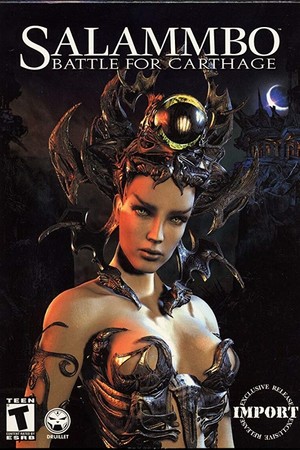
I picked up Salammbô expecting a dusty historical curio and got something stranger and more interesting than that. This is a first-person point-and-click adventure with a genuinely unusual visual identity, the kind of game that exists because a boundary-pushing French comic artist had a vision and a studio committed to realizing it. The result is flawed in very specific ways, but not boring. You play as Spendius, a Carthaginian slave who starts the game in a dungeon and ends it commanding armies. Along the way the role shifts from fugitive to spy to soothsayer to general, which sounds dramatic and mostly lands that way. The plot follows Spendius as he engineers a mercenary revolt against Carthage more or less to save his own skin. It is morally gray in a refreshing way for the genre. Gameplay is classic inventory-and-conversation puzzle work, right-click to open your item bag, point at things, figure out what connects to what. There are also a handful of tactical battle sequences where you position troops on a map, closer to a chess puzzle than a real strategy layer. Neither mode is especially demanding. Puzzles are approachable enough that veterans of the Myst or Atlantis style will find them easy, while newcomers to the genre will hit just enough resistance to feel engaged. Conversation choices can result in Spendius dying, but the game puts you back immediately before the mistake, so there is no real punishment. The reason to be here is Philippe Druillet's art. The visuals blend ancient Carthaginian architecture with something that feels closer to dark science fiction than historical simulation. The sky shifts colours tied to the two gods at war in the story, Tanith and Moloch, and the character designs look genuinely alien while staying eerily detailed. Dvorak's New World Symphony runs underneath it all, which is an odd but somehow fitting choice. The atmosphere is the game's single biggest strength and it carries more weight than the mechanics ever do. The problems are real. The game is short, somewhere around six to eight hours depending on your puzzle pace. The environments repeat enough that navigation gets disorienting without providing the reward of genuine exploration. The ending was widely criticised at release: the final video runs under a minute, and the story deviates from Flaubert's original conclusion in ways that flatten the emotional impact. The Steam version also has documented compatibility issues on modern systems, including invisible cursors in menus and occasional crashes, so some tinkering may be required before you even get in. The save system caps you at ten slots with no custom naming, another friction point that feels dated. This game was developed under chaotic circumstances: Cryo Interactive went bankrupt mid-production and the team was absorbed by DreamCatcher to finish it. That backstory is visible in the seams of the final product. The ambition is real, the execution is uneven, and the whole thing skews heavily toward the French literary tradition in a way that reviewers noted made it harder to connect with for players outside that context. If you have read Flaubert or Druillet's comics, that context enriches every scene. If you have not, the game still works but some of the weight is lost. For point-and-click fans who want something atmospheric and off the beaten historical-adventure path, Salammbô delivers a setting unlike almost anything else in the genre. Just go in knowing it is a short, slightly rough experience built around an exceptional visual world, not a polished modern release. Alex, Scout Team

Salammbô: Battle for Carthage

Salammbô: Battle for Carthage

May 30, 2014Cryo InteractiveMicroids
GamerScout Says

A first-person point-and-click adventure through ancient Carthage steeped in Druillet's surreal, doom-soaked art. Short, atmospheric, and firmly aimed at genre fans who read Flaubert in school.

PC
ProtonDB Platinum
Best Price Available
€0.00
at N/A

GamerScout Verdict

Best for point-and-click fans who want a short, visually striking adventure and can tolerate some modern compatibility friction.

Compare Prices(0 stores)

Loading prices...

We may earn a commission when you buy games through links on this page — at no extra cost to you. It never affects our rankings or verdicts.

Screenshots & Media

About Salammbô: Battle for Carthage

I picked up Salammbô expecting a dusty historical curio and got something stranger and more interesting than that. This is a first-person point-and-click adventure with a genuinely unusual visual identity, the kind of game that exists because a boundary-pushing French comic artist had a vision and a studio committed to realizing it. The result is flawed in very specific ways, but not boring. You play as Spendius, a Carthaginian slave who starts the game in a dungeon and ends it commanding armies. Along the way the role shifts from fugitive to spy to soothsayer to general, which sounds dramatic and mostly lands that way. The plot follows Spendius as he engineers a mercenary revolt against Carthage more or less to save his own skin. It is morally gray in a refreshing way for the genre. Gameplay is classic inventory-and-conversation puzzle work, right-click to open your item bag, point at things, figure out what connects to what. There are also a handful of tactical battle sequences where you position troops on a map, closer to a chess puzzle than a real strategy layer. Neither mode is especially demanding. Puzzles are approachable enough that veterans of the Myst or Atlantis style will find them easy, while newcomers to the genre will hit just enough resistance to feel engaged. Conversation choices can result in Spendius dying, but the game puts you back immediately before the mistake, so there is no real punishment. The reason to be here is Philippe Druillet's art. The visuals blend ancient Carthaginian architecture with something that feels closer to dark science fiction than historical simulation. The sky shifts colours tied to the two gods at war in the story, Tanith and Moloch, and the character designs look genuinely alien while staying eerily detailed. Dvorak's New World Symphony runs underneath it all, which is an odd but somehow fitting choice. The atmosphere is the game's single biggest strength and it carries more weight than the mechanics ever do. The problems are real. The game is short, somewhere around six to eight hours depending on your puzzle pace. The environments repeat enough that navigation gets disorienting without providing the reward of genuine exploration. The ending was widely criticised at release: the final video runs under a minute, and the story deviates from Flaubert's original conclusion in ways that flatten the emotional impact. The Steam version also has documented compatibility issues on modern systems, including invisible cursors in menus and occasional crashes, so some tinkering may be required before you even get in. The save system caps you at ten slots with no custom naming, another friction point that feels dated. This game was developed under chaotic circumstances: Cryo Interactive went bankrupt mid-production and the team was absorbed by DreamCatcher to finish it. That backstory is visible in the seams of the final product. The ambition is real, the execution is uneven, and the whole thing skews heavily toward the French literary tradition in a way that reviewers noted made it harder to connect with for players outside that context. If you have read Flaubert or Druillet's comics, that context enriches every scene. If you have not, the game still works but some of the weight is lost. For point-and-click fans who want something atmospheric and off the beaten historical-adventure path, Salammbô delivers a setting unlike almost anything else in the genre. Just go in knowing it is a short, slightly rough experience built around an exceptional visual world, not a polished modern release.

Alex
Alex · Scout Team

Catch-all

Tags

singleplayertier:aaaPoint-and-ClickAncient HistorySurrealist ArtLiterary AdaptationInventory PuzzlesTactical Battle SequencesConversation ChoicesFirst-Person AdventureShort Playtime

System Requirements

Minimum

OS
Windows XP, Vista, 7, 8
Memory
128 MB RAM
DirectX
Version 9.0c
Storage
1 GB available space
Graphics
DirectX compatible Video Card
Processor
400 MHz
Sound Card
DirectX compatible Sound Card

Keep exploring

Community Discussion

Be the first to comment on Salammbô: Battle for Carthage.

Reviews & Ratings

Metacritic
77

Game Info

Developer
Cryo Interactive
Publisher
Microids
Release Date
May 30, 2014

Price Alert

Get notified when the price drops below your target!

Create Alert

No card? Pay another way

Top up your Steam Wallet or buy crypto with any card — instant delivery, no bank account needed.

More from Cryo Interactive

Buy smarter: helpful guides

Looking for more? See games like Salammbô: Battle for Carthage →

Frequently asked questions about Salammbô: Battle for Carthage

How much does Salammbô: Battle for Carthage cost?

Salammbô: Battle for Carthage pricing changes often and varies by store, edition and region. The live price table on this page compares the cheapest in-stock offers from trusted key stores like Eneba and Kinguin, so you always see the current lowest price before you buy.

Where can I buy Salammbô: Battle for Carthage cheapest?

Compare Salammbô: Battle for Carthage prices across every verified store in the price table on this page. We list the cheapest in-stock key and store offers, updated regularly, so you always see the best current deal before you buy.

What platforms is Salammbô: Battle for Carthage available on?

Salammbô: Battle for Carthage is available on PC.

When was Salammbô: Battle for Carthage released?

Salammbô: Battle for Carthage was released on 30 May 2014.

Who developed Salammbô: Battle for Carthage?

Salammbô: Battle for Carthage was developed by Cryo Interactive and published by Microids.

Is Salammbô: Battle for Carthage worth buying?

Salammbô: Battle for Carthage holds a Metacritic score of 77/100, making it one of the standout Adventure titles. See the full reviews, ratings and how-long-to-beat times on this page to decide.