Rome: Total War™ - Alexander
A 100-turn sprint across the ancient world that swaps empire-building for pure battlefield aggression, Alexander is the most punishing thing Creative Assembly ever put the Rome engine through.
None of the stores we track has Rome: Total War™ - Alexander in stock at the moment. We re-check every day and this page updates itself the moment an offer comes back.
GamerScout Verdict
7.9/10Best for Rome: Total War veterans who want a punishing, short-form historical challenge and can accept thin faction variety.
Compare Prices(0 stores)
Loading prices...
Every store in this table quotes us in euros, so the EUR figure is the price the seller actually set, not our arithmetic — which is why EUR is also the currency we rank in. We only list an offer here when the store gives us its price in euros, so nothing in this table is a number we invented.
Pick USD, PLN, GBP, CAD or AUD in the header and we convert from EUR at the European Central Bank reference rate — converted amounts are prefixed with ~. Your bank or the store may apply a different rate at checkout. We never hide offers based on where you are: everyone sees this whole table.
We may earn a commission when you buy games through links on this page — at no extra cost to you. It never affects our rankings or verdicts.
Screenshots & Media
About Rome: Total War™ - Alexander
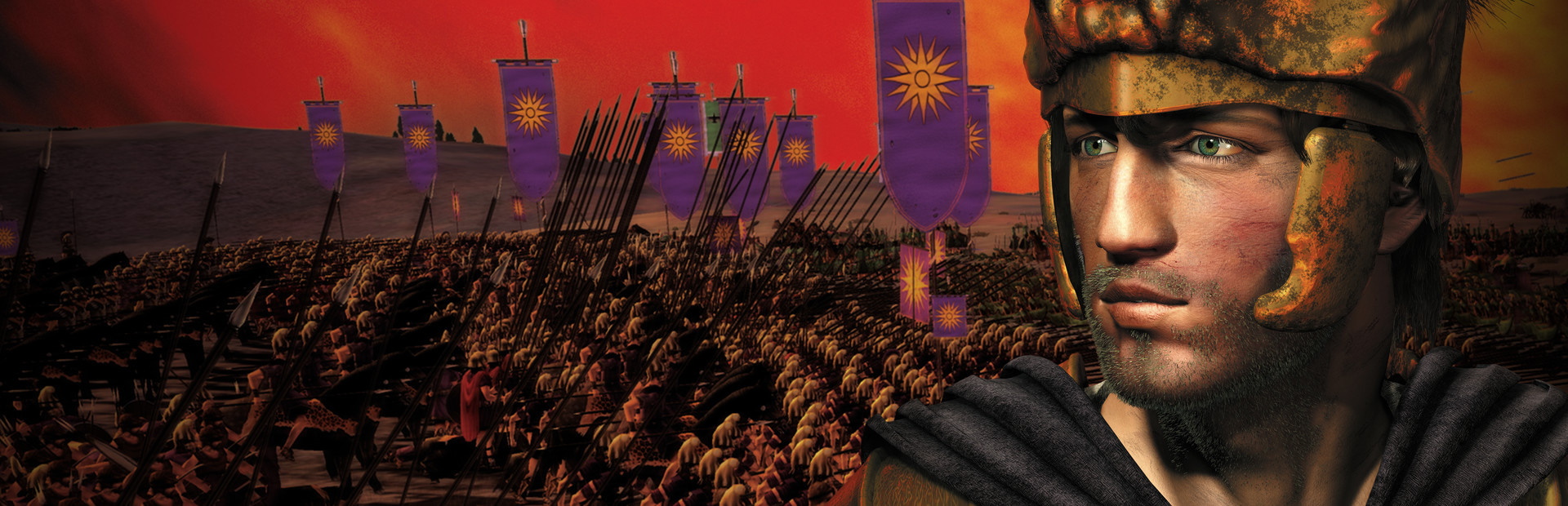
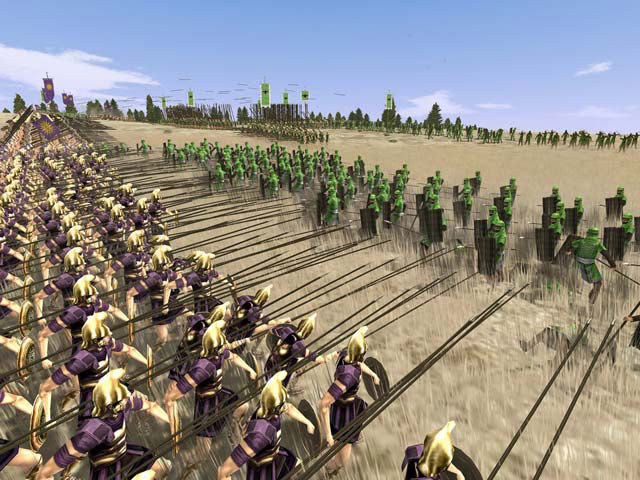
My first instinct when loading Alexander was to play it like vanilla Rome: Total War, which is exactly the wrong instinct. This expansion strips out the slow-burn pleasures that define the base game and replaces them with a ticking clock and a relentless eastward march. You control Macedon, and only Macedon, for the entire campaign. There is no faction variety, no sideways experimentation, no diplomatic pivot into a comfortable turtle strategy. You conquer 30 provinces including Tyre, Halicarnassus, and Babylon, or you lose. Those 100 turns move fast, and the opening stretch is genuinely brutal: low income, hostile neighbours on multiple flanks, and Persian armies that perpetually outnumber you. The unit roster reflects both the setting's strengths and its limitations. Macedon's phalanx-heavy infantry, Hypaspists, Thessalian cavalry, and the elite Companion cavalry led by Alexander himself give you real tactical texture on the battlefield. The enemy factions counter that with meaningful variety: Persian scythed chariots, Elite Immortals, and Indian war elephants demand different formations and responses. The AI in Alexander takes noticeably more initiative than in the base game, attempting flanking manoeuvres and pincer moves that will catch veterans off-guard if they rely on old muscle memory. What it does not do is scale battle size to match history. Gaugamela and Issus, two of the most famous engagements ever fought, arrive as surprisingly modest skirmishes compared to what the campaign's narrative promises. That's a recurring frustration: the ambition of the source material consistently outpaces what the engine delivers. The six historical battles form a separate mode that unlocks sequentially, gated behind medium difficulty completions. They cover Chaeronea, Granicus, Issus, Gaugamela, and end at the Hydaspes against the Indians. Each one comes narrated by Brian Blessed, which is a genuine production highlight. If Alexander dies or retreats in any of them, it's an immediate defeat, so they function as a tighter, more instructional challenge than anything in the main campaign. Multiplayer allows lopsided setups, including two-on-one and three-on-one matches and tournament brackets, using the four custom-battle factions: Macedon, Persia, India, and Dahae. That tournament mode was novel for the era and adds some replay value even if the online playerbase today is essentially nonexistent. The honest verdict on scope: this is a focused mission pack, not a full expansion in the way Barbarian Invasion was. There is one campaign path, and experienced players will find the optimal route through Persia does not vary much between runs. Replayability is the weakest point, though players willing to modify the faction files can unlock the other factions in campaign, which changes the dynamic considerably. The map itself has documented design issues, with Persia's Indian province being geographically isolated in ways that create odd AI behaviour late in the game. For a strategy player who already owns the base Rome experience and wants a punishing, short-form challenge with a specific historical flavour, Alexander delivers that with conviction. For someone expecting the breadth of a second full game, it will feel thin.

Strategy & simulation
Tags
System Requirements
Minimum
Microsoft® Windows® 2000/XP, Pentium III 1.0GHz or Athlon 1.0GHz processor or higher, 256MB RAM , 2.9GB of uncompressed free hard disk space (plus 500MB for Windows swap file), 100% DirectX® 9.0c compatible 16…
Keep exploring
Community Discussion
Be the first to comment on Rome: Total War™ - Alexander.
Reviews & Ratings
Game Info
- Developer
- The Creative Assembly
- Publisher
- SEGA
- Release Date
- Aug 28, 2007