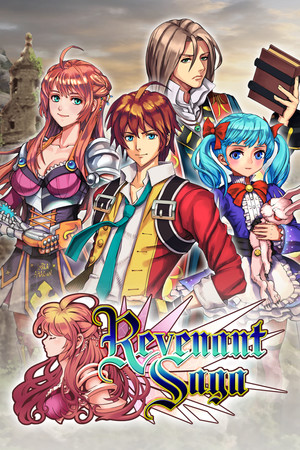
Revenant Saga
A budget JRPG with a genuinely clever transform mechanic buried under layers of mobile-port mediocrity. Worth it for patient retro fans; skip if you expect any strategic depth.
GamerScout Verdict
Best for retro JRPG fans who will play on Hard and actually stress-test the transform system; thin value on Normal.
Compare Prices(6 stores)
Every store in this table quotes us in euros, so the EUR figure is the price the seller actually set, not our arithmetic — which is why EUR is also the currency we rank in. We only list an offer here when the store gives us its price in euros, so nothing in this table is a number we invented.
Pick USD, PLN, GBP, CAD or AUD in the header and we convert from EUR at the European Central Bank reference rate — converted amounts are prefixed with ~. Your bank or the store may apply a different rate at checkout. We never hide offers based on where you are: everyone sees this whole table.
We may earn a commission when you buy games through links on this page — at no extra cost to you. It never affects our rankings or verdicts.
Price History
Screenshots & Media
About Revenant Saga
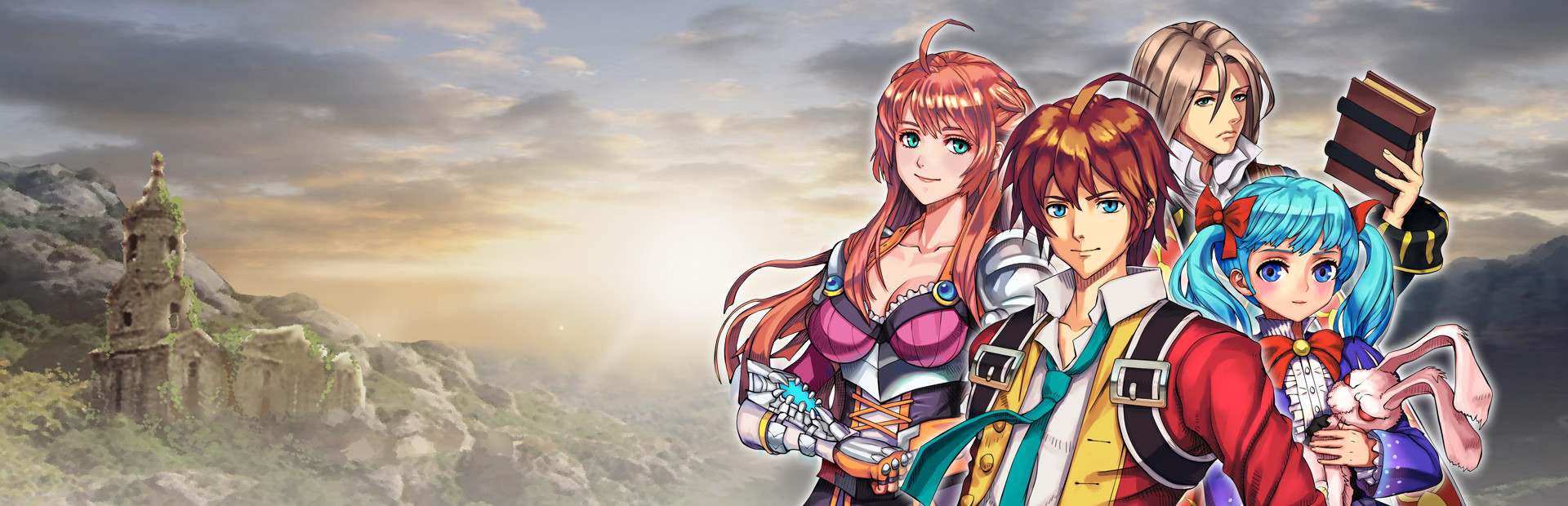
My spreadsheet brain lit up exactly once during Revenant Saga, and that moment was the transform system. Every party member can flip into a powered-up form mid-battle, gaining boosted stats and access to specialized skills not available in their normal state. The catch is real: transformed characters cannot be healed, and if they drop to zero HP in that state, they cannot be revived for the remainder of the fight. Push the synchro gauge too high and the character risks going berserk, turning into a liability for your own side. On paper, that is a tight risk-reward loop with actual decision weight. In practice, the game's Normal difficulty is so forgiving that most players will cruise through the main quest largely on auto-attack, never needing to seriously commit to the transform mechanic at all. The system feels like it was designed for a harder game that never shipped. The broader structure is classic JRPG: a 2D overworld transitions into 3D turn-based battles with a visible action timeline on screen, which does let you spot turn-delay opportunities and plan around them. Your four-man party - Albert, Esther the Valkyrie, Bruno from the religious Order, and Julia, the daughter of the antagonist Dr. Moreau - has no class customization to speak of. Gear is the primary lever, with swords, knives, chakrams, and scythes customizable using ore materials that can add effects like on-hit poison alongside raw stat bumps. Weapon levels cap at 999, which signals post-game grinding potential if you want it, though the endgame content is where reviewers consistently say the difficulty finally arrives. The Maid Association side content provides optional challenges with meaningful rewards, and the post-game dungeon gives completionists something to chase. If you treat it as a 20-30 hour story run plus optional grind, the content budget is respectable for the price tier. The presentation is the most-discussed weakness across the board. The 2D overworld uses SNES-style sprites on tiled maps, while battles shift into early PS1-era polygon models. That contrast is either charming nostalgia or a jarring downgrade depending on your tolerance for mobile-port aesthetics. Character animations are minimal, towns feel sparse and functional rather than lived-in, and the dialogue is fully unvoiced with static portrait boxes carrying most of the narrative weight. The localization is competent but flat, and important story beats are undermined by characters reacting to dramatic events in the same dry, matter-of-fact tone they use to discuss the shop inventory. The story itself follows Albert, a young man who accepts a deal from a shady physician, ends up half-demon, and sets off for revenge while hiding his nature from companions who would kill him if they knew. That premise has real gothic-fantasy potential, but the plot hits familiar JRPG beats so reliably that seasoned players will anticipate most twists. For strategy-focused players, there is not much here to optimize. The AI presents no real threat on Normal, difficulty can be toggled freely outside combat, and the gear crafting system rewards attention but does not demand it. Hard mode, where transformed characters becoming irrevivable mid-fight actually carries weight, is where the mechanics justify themselves. If you are a deep-systems player, start on Hard immediately and actually engage the synchro gauge and transform management. That changes the texture of almost every boss fight. For newcomers to the genre, this is actually a well-paced entry point: clean menus, save-anywhere functionality, a transparent action timeline, and no hidden systems to stumble over. The onboarding requires no tolerance for dense tutorials because there are effectively none to sit through. Revenant Saga is a mobile-origin JRPG that delivers what it promises and very little more. The transform mechanic is the one idea that deserved a bigger game around it, the weapon customization is deeper than it looks, and the post-game has legitimate replay value for grinders. Everything surrounding those bright spots - world-building, presentation, story execution, enemy AI - ranges from average to below average. Going in with calibrated expectations and Hard mode selected gets you a tighter experience than the default settings suggest.

Strategy & simulation
Tags
System Requirements
Minimum
- OS
- Windows 7 and up
- Memory
- 4 GB RAM
- Storage
- 339 MB available space
- Graphics
- 1GB VRAM
- Processor
- Intel® Core™ i3
Keep exploring
Community Discussion
Be the first to comment on Revenant Saga.
Reviews & Ratings
No ratings available
Game Info
- Developer
- Exe Create Inc.
- Publisher
- KEMCO
- Release Date
- Mar 1, 2017